1971: A People'S History From Bangladesh: A People’S History From Bangladesh, Pakistan And India
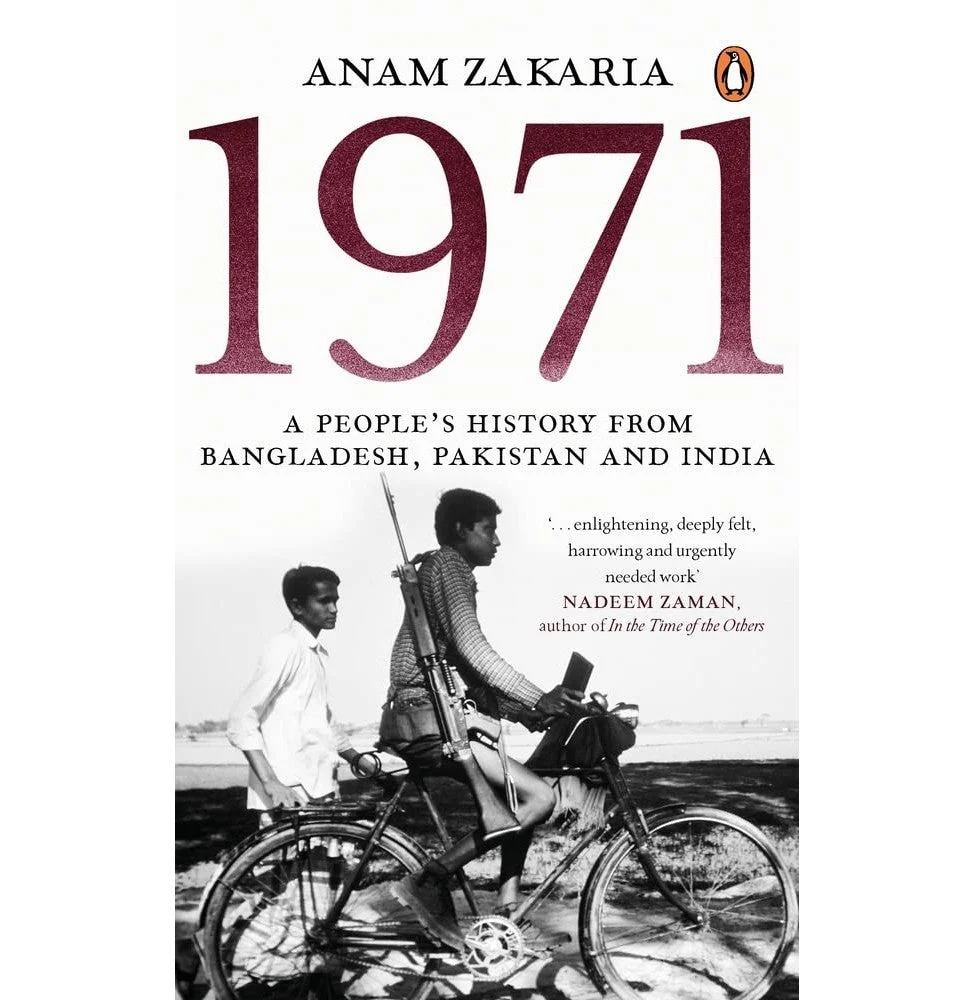
1971: A People's History From Bangladesh: A People's History From Bangladesh, Pakistan And India is a deeply researched journey into the year that reshaped three nations. Spanning Bangladesh, Pakistan, and India, this book blends historical analysis with personal memory to reveal how 1971 is remembered—and forgotten—across communities. It speaks to readers of history, current affairs, and those curious about how memory shapes nations, with a thoughtful, respectful, and engaging tone.
Anam Zakaria guides readers through a carefully structured journey that moves from the big picture to intimate stories. Using intergenerational interviews, textbook analyses, and field visits to schools, museums, and sites commemorating 1971, the book juxtaposes official state narratives with voices from those who lived through the war, creating a nuanced, multi-voiced account. In 1971: A People's History From Bangladesh: A People's History From Bangladesh, Pakistan And India, Zakaria invites readers to move beyond headlines and see how communities remember the year across generations and borders.
Whether you approach 1971 as a political watershed or as a human history of courage, loss, and resilience, the prose remains accessible and inviting. The work covers key concepts such as memory formation, the politics of history, humanitarian intervention, and the enduring legacies that shape national identities, offering a compelling, humane perspective on a pivotal moment in South Asian history.
- Three-nation perspective on 1971 across Bangladesh, Pakistan, and India
- Intergenerational interviews and oral histories that bring voices from the ground to the page
- Juxtaposition of official state narratives with lived experiences
- Fieldwork approach: visits to schools, museums, and commemorations
- Clear, accessible narrative that blends research with storytelling
- Key concepts like memory formation, identity, and memory politics
- Thoughtful, balanced portrayal that invites reflection rather than sensationalism
Readers finish with a deeper understanding of how history is made and remembered across borders, and with a greater empathy for the people who lived through 1971. The book encourages critical thinking about memory, identity, and how societies choose to honor or revise the past, leaving a lasting impression of connectedness and thoughtful curiosity.
Product Information
Product Information
Shipping & Returns
Shipping & Returns
1971: A People'S History From Bangladesh: A People’S History From Bangladesh, Pakistan And India
1971: A People'S History From Bangladesh: A People’S History From Bangladesh, Pakistan And India
1971: A People's History From Bangladesh: A People's History From Bangladesh, Pakistan And India is a deeply researched journey into the year that reshaped three nations. Spanning Bangladesh, Pakistan, and India, this book blends historical analysis with personal memory to reveal how 1971 is remembered—and forgotten—across communities. It speaks to readers of history, current affairs, and those curious about how memory shapes nations, with a thoughtful, respectful, and engaging tone.
Anam Zakaria guides readers through a carefully structured journey that moves from the big picture to intimate stories. Using intergenerational interviews, textbook analyses, and field visits to schools, museums, and sites commemorating 1971, the book juxtaposes official state narratives with voices from those who lived through the war, creating a nuanced, multi-voiced account. In 1971: A People's History From Bangladesh: A People's History From Bangladesh, Pakistan And India, Zakaria invites readers to move beyond headlines and see how communities remember the year across generations and borders.
Whether you approach 1971 as a political watershed or as a human history of courage, loss, and resilience, the prose remains accessible and inviting. The work covers key concepts such as memory formation, the politics of history, humanitarian intervention, and the enduring legacies that shape national identities, offering a compelling, humane perspective on a pivotal moment in South Asian history.
- Three-nation perspective on 1971 across Bangladesh, Pakistan, and India
- Intergenerational interviews and oral histories that bring voices from the ground to the page
- Juxtaposition of official state narratives with lived experiences
- Fieldwork approach: visits to schools, museums, and commemorations
- Clear, accessible narrative that blends research with storytelling
- Key concepts like memory formation, identity, and memory politics
- Thoughtful, balanced portrayal that invites reflection rather than sensationalism
Readers finish with a deeper understanding of how history is made and remembered across borders, and with a greater empathy for the people who lived through 1971. The book encourages critical thinking about memory, identity, and how societies choose to honor or revise the past, leaving a lasting impression of connectedness and thoughtful curiosity.
Product Information
Product Information
Shipping & Returns
Shipping & Returns
Description
1971: A People's History From Bangladesh: A People's History From Bangladesh, Pakistan And India is a deeply researched journey into the year that reshaped three nations. Spanning Bangladesh, Pakistan, and India, this book blends historical analysis with personal memory to reveal how 1971 is remembered—and forgotten—across communities. It speaks to readers of history, current affairs, and those curious about how memory shapes nations, with a thoughtful, respectful, and engaging tone.
Anam Zakaria guides readers through a carefully structured journey that moves from the big picture to intimate stories. Using intergenerational interviews, textbook analyses, and field visits to schools, museums, and sites commemorating 1971, the book juxtaposes official state narratives with voices from those who lived through the war, creating a nuanced, multi-voiced account. In 1971: A People's History From Bangladesh: A People's History From Bangladesh, Pakistan And India, Zakaria invites readers to move beyond headlines and see how communities remember the year across generations and borders.
Whether you approach 1971 as a political watershed or as a human history of courage, loss, and resilience, the prose remains accessible and inviting. The work covers key concepts such as memory formation, the politics of history, humanitarian intervention, and the enduring legacies that shape national identities, offering a compelling, humane perspective on a pivotal moment in South Asian history.
- Three-nation perspective on 1971 across Bangladesh, Pakistan, and India
- Intergenerational interviews and oral histories that bring voices from the ground to the page
- Juxtaposition of official state narratives with lived experiences
- Fieldwork approach: visits to schools, museums, and commemorations
- Clear, accessible narrative that blends research with storytelling
- Key concepts like memory formation, identity, and memory politics
- Thoughtful, balanced portrayal that invites reflection rather than sensationalism
Readers finish with a deeper understanding of how history is made and remembered across borders, and with a greater empathy for the people who lived through 1971. The book encourages critical thinking about memory, identity, and how societies choose to honor or revise the past, leaving a lasting impression of connectedness and thoughtful curiosity.