The Fall Of The House Of Usher
This is a classic gothic short story—horror and psychological suspense woven through rich, atmospheric prose. Its central themes center on decay, madness, and the weight of family secrets, explored through an unnamed narrator who visits a frail friend in a crumbling ancestral mansion and finds reality bending toward the uncanny. The intended reader is adults and older teens who relish literary horror and mood-driven storytelling, with an emotional tone that feels haunting, contemplative, and suspenseful.
The experience is story-led and atmosphere-forward, with vivid, sensory details that pull you into a tightly packed, spine-tingling narrative. What makes it distinctive is the way the setting and the mind intertwine—the decaying house seems to breathe, echoing the narrator’s growing unease. Readers move through the text by following careful observations and gradually tightening tension, uncovering dark secrets without warning or distraction.
As a work of fiction, it centers on an unnamed narrator’s uneasy visit to a once-imposing home that has grown eerily quiet and oppressive. The journey emphasizes mood over action, inviting reflection on perception, fear, and the line between reality and the supernatural. The piece rewards careful reading and offers plenty for discussion about tone, symbolism, and psychological depth.
- Atmospheric writing that blends horror with psychological depth
- The unnamed narrator’s intimate, unreliable perspective heightening tension
- Exploration of decay, isolation, and the supernatural within a single, compact setting
- A relentless mood that lingers after the final page
- Edition-friendly presentation that preserves the work’s original intensity while remaining accessible to modern readers
Readers finish with a strengthened appreciation for Gothic storytelling: a heightened sense of mystery, sharper attention to mood and craft, and a lasting impression of how place can mirror the psyche. It invites curiosity, invites discussion, and leaves a thoughtful, enduring resonance that lingers beyond the last line.
Product Information
Product Information
Shipping & Returns
Shipping & Returns
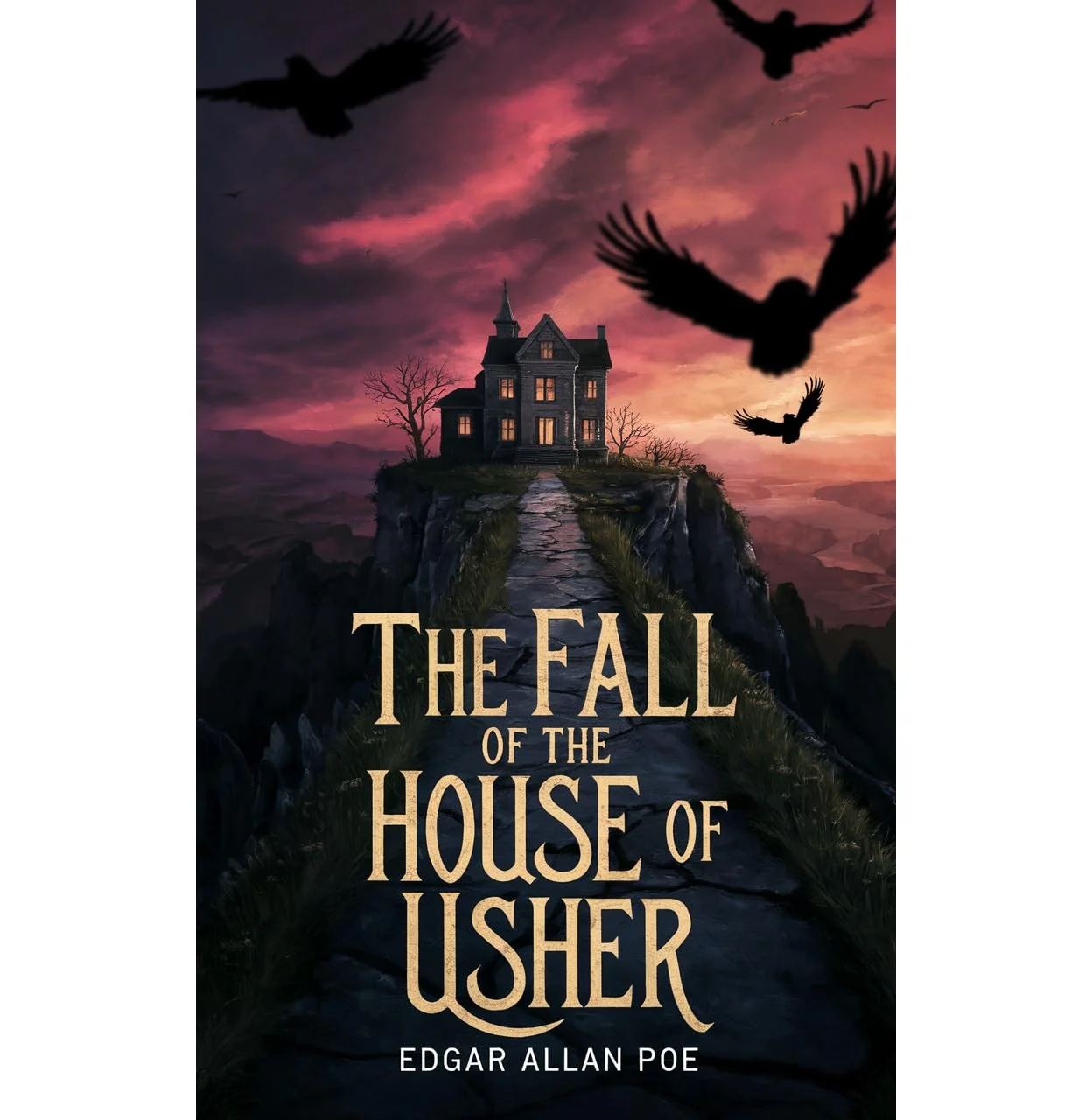
The Fall Of The House Of Usher
The Fall Of The House Of Usher
This is a classic gothic short story—horror and psychological suspense woven through rich, atmospheric prose. Its central themes center on decay, madness, and the weight of family secrets, explored through an unnamed narrator who visits a frail friend in a crumbling ancestral mansion and finds reality bending toward the uncanny. The intended reader is adults and older teens who relish literary horror and mood-driven storytelling, with an emotional tone that feels haunting, contemplative, and suspenseful.
The experience is story-led and atmosphere-forward, with vivid, sensory details that pull you into a tightly packed, spine-tingling narrative. What makes it distinctive is the way the setting and the mind intertwine—the decaying house seems to breathe, echoing the narrator’s growing unease. Readers move through the text by following careful observations and gradually tightening tension, uncovering dark secrets without warning or distraction.
As a work of fiction, it centers on an unnamed narrator’s uneasy visit to a once-imposing home that has grown eerily quiet and oppressive. The journey emphasizes mood over action, inviting reflection on perception, fear, and the line between reality and the supernatural. The piece rewards careful reading and offers plenty for discussion about tone, symbolism, and psychological depth.
- Atmospheric writing that blends horror with psychological depth
- The unnamed narrator’s intimate, unreliable perspective heightening tension
- Exploration of decay, isolation, and the supernatural within a single, compact setting
- A relentless mood that lingers after the final page
- Edition-friendly presentation that preserves the work’s original intensity while remaining accessible to modern readers
Readers finish with a strengthened appreciation for Gothic storytelling: a heightened sense of mystery, sharper attention to mood and craft, and a lasting impression of how place can mirror the psyche. It invites curiosity, invites discussion, and leaves a thoughtful, enduring resonance that lingers beyond the last line.
Product Information
Product Information
Shipping & Returns
Shipping & Returns
Description
This is a classic gothic short story—horror and psychological suspense woven through rich, atmospheric prose. Its central themes center on decay, madness, and the weight of family secrets, explored through an unnamed narrator who visits a frail friend in a crumbling ancestral mansion and finds reality bending toward the uncanny. The intended reader is adults and older teens who relish literary horror and mood-driven storytelling, with an emotional tone that feels haunting, contemplative, and suspenseful.
The experience is story-led and atmosphere-forward, with vivid, sensory details that pull you into a tightly packed, spine-tingling narrative. What makes it distinctive is the way the setting and the mind intertwine—the decaying house seems to breathe, echoing the narrator’s growing unease. Readers move through the text by following careful observations and gradually tightening tension, uncovering dark secrets without warning or distraction.
As a work of fiction, it centers on an unnamed narrator’s uneasy visit to a once-imposing home that has grown eerily quiet and oppressive. The journey emphasizes mood over action, inviting reflection on perception, fear, and the line between reality and the supernatural. The piece rewards careful reading and offers plenty for discussion about tone, symbolism, and psychological depth.
- Atmospheric writing that blends horror with psychological depth
- The unnamed narrator’s intimate, unreliable perspective heightening tension
- Exploration of decay, isolation, and the supernatural within a single, compact setting
- A relentless mood that lingers after the final page
- Edition-friendly presentation that preserves the work’s original intensity while remaining accessible to modern readers
Readers finish with a strengthened appreciation for Gothic storytelling: a heightened sense of mystery, sharper attention to mood and craft, and a lasting impression of how place can mirror the psyche. It invites curiosity, invites discussion, and leaves a thoughtful, enduring resonance that lingers beyond the last line.