Bindeshwar Pathak
This non-fiction biography chronicles the life of a pioneering social reformer who transformed sanitation in India and brought dignity to millions. At its heart is the conviction that clean, accessible sanitation is a public right and a catalyst for social change. The narrative speaks to readers invested in social reform, public health, and modern Indian history, offering an inspiring, respectful, and hopeful tone that invites reflection and action.
Presented in clear, narrative prose, the work unfolds across eleven tightly woven chapters that present the subject as scientist and social scientist, poet and philosopher, spiritualist and sanitation pioneer, environmentalist and philanthropist. The narrative blends rigorous research with human insight to show how sanitation intersects with caste, class, and gender, and how a single individual's drive can redefine public health and social norms.
Readers encounter a biography that is as much about ideas as about deeds. It moves from laboratory curiosity to field action, illustrating reforms in practice and the ethical questions that accompany systemic change. The book situates the Sulabh movement’s origins, growth, and impact, using concrete examples to make complex topics tangible and meaningful.
Concepts and skills covered include public health basics, sanitation policy, social justice, leadership, and human rights. The writing keeps learning accessible and engaging through real-world cases, thoughtful reflections, and a clear throughline from theory to impact.
- Eleven chapters offer a multi-dimensional portrait—scientist, reformer, poet, philosopher, spiritualist, environmentalist, and philanthropist.
- Origins and impact of the Sulabh movement, with context on how sanitation intersects with caste, class, and gender.
- Engaging, documentary-style narrative that blends research with personal insight, making complex ideas approachable.
- Real-world case studies and milestones that connect policy to people.
- Lessons in leadership and civic action that inspire readers to engage with public health, human rights, and social reform.
After finishing, readers gain a nuanced understanding of how one determined individual can spark broad social transformation, along with a renewed sense of responsibility toward public health, dignity, and human rights. The biography leaves a lasting impression of hope, curiosity, and a call to action, inviting readers to consider how service, science, and compassion can reshape communities.
Product Information
Product Information
Shipping & Returns
Shipping & Returns
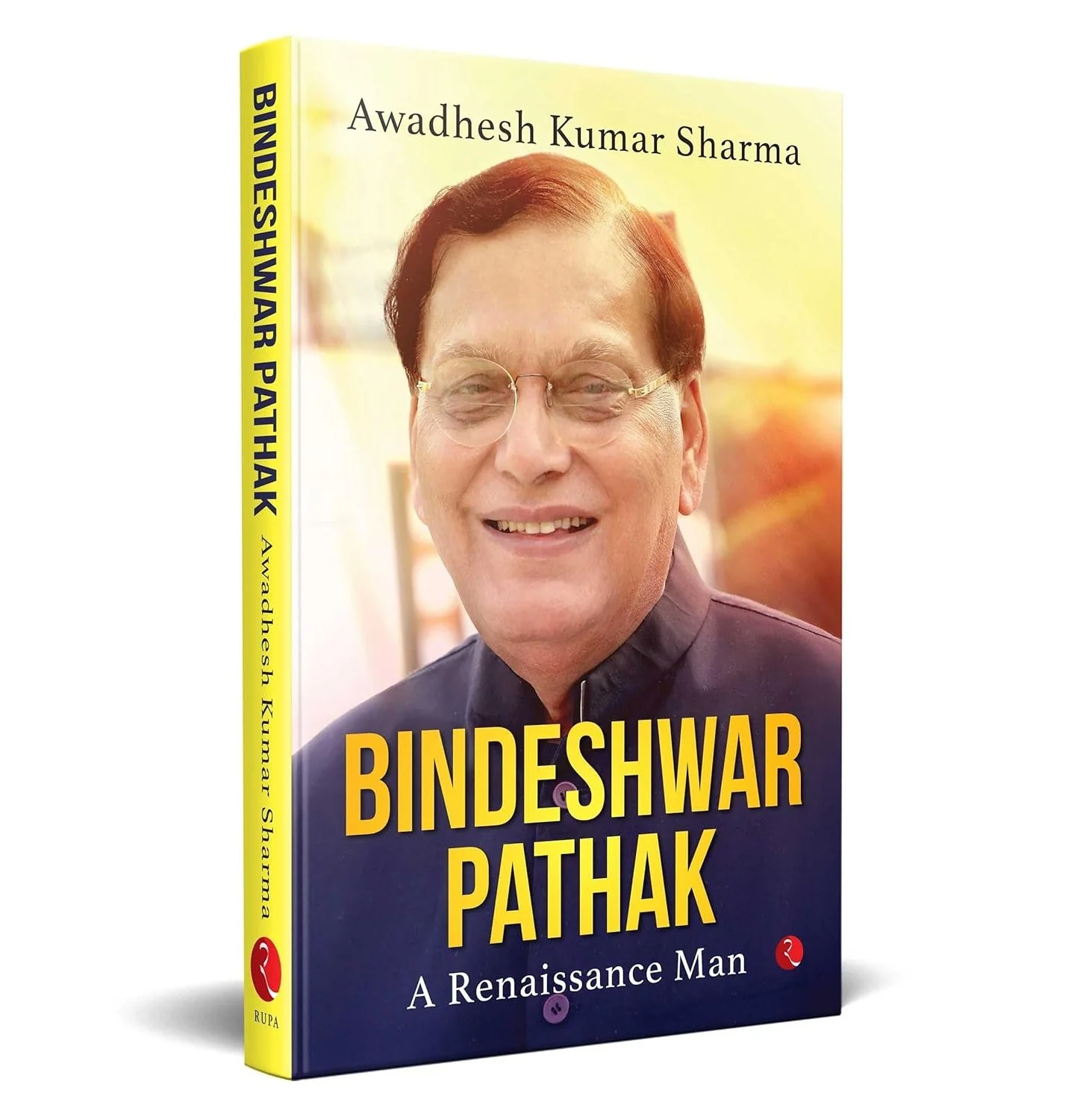
Bindeshwar Pathak
Bindeshwar Pathak
This non-fiction biography chronicles the life of a pioneering social reformer who transformed sanitation in India and brought dignity to millions. At its heart is the conviction that clean, accessible sanitation is a public right and a catalyst for social change. The narrative speaks to readers invested in social reform, public health, and modern Indian history, offering an inspiring, respectful, and hopeful tone that invites reflection and action.
Presented in clear, narrative prose, the work unfolds across eleven tightly woven chapters that present the subject as scientist and social scientist, poet and philosopher, spiritualist and sanitation pioneer, environmentalist and philanthropist. The narrative blends rigorous research with human insight to show how sanitation intersects with caste, class, and gender, and how a single individual's drive can redefine public health and social norms.
Readers encounter a biography that is as much about ideas as about deeds. It moves from laboratory curiosity to field action, illustrating reforms in practice and the ethical questions that accompany systemic change. The book situates the Sulabh movement’s origins, growth, and impact, using concrete examples to make complex topics tangible and meaningful.
Concepts and skills covered include public health basics, sanitation policy, social justice, leadership, and human rights. The writing keeps learning accessible and engaging through real-world cases, thoughtful reflections, and a clear throughline from theory to impact.
- Eleven chapters offer a multi-dimensional portrait—scientist, reformer, poet, philosopher, spiritualist, environmentalist, and philanthropist.
- Origins and impact of the Sulabh movement, with context on how sanitation intersects with caste, class, and gender.
- Engaging, documentary-style narrative that blends research with personal insight, making complex ideas approachable.
- Real-world case studies and milestones that connect policy to people.
- Lessons in leadership and civic action that inspire readers to engage with public health, human rights, and social reform.
After finishing, readers gain a nuanced understanding of how one determined individual can spark broad social transformation, along with a renewed sense of responsibility toward public health, dignity, and human rights. The biography leaves a lasting impression of hope, curiosity, and a call to action, inviting readers to consider how service, science, and compassion can reshape communities.
Product Information
Product Information
Shipping & Returns
Shipping & Returns
Description
This non-fiction biography chronicles the life of a pioneering social reformer who transformed sanitation in India and brought dignity to millions. At its heart is the conviction that clean, accessible sanitation is a public right and a catalyst for social change. The narrative speaks to readers invested in social reform, public health, and modern Indian history, offering an inspiring, respectful, and hopeful tone that invites reflection and action.
Presented in clear, narrative prose, the work unfolds across eleven tightly woven chapters that present the subject as scientist and social scientist, poet and philosopher, spiritualist and sanitation pioneer, environmentalist and philanthropist. The narrative blends rigorous research with human insight to show how sanitation intersects with caste, class, and gender, and how a single individual's drive can redefine public health and social norms.
Readers encounter a biography that is as much about ideas as about deeds. It moves from laboratory curiosity to field action, illustrating reforms in practice and the ethical questions that accompany systemic change. The book situates the Sulabh movement’s origins, growth, and impact, using concrete examples to make complex topics tangible and meaningful.
Concepts and skills covered include public health basics, sanitation policy, social justice, leadership, and human rights. The writing keeps learning accessible and engaging through real-world cases, thoughtful reflections, and a clear throughline from theory to impact.
- Eleven chapters offer a multi-dimensional portrait—scientist, reformer, poet, philosopher, spiritualist, environmentalist, and philanthropist.
- Origins and impact of the Sulabh movement, with context on how sanitation intersects with caste, class, and gender.
- Engaging, documentary-style narrative that blends research with personal insight, making complex ideas approachable.
- Real-world case studies and milestones that connect policy to people.
- Lessons in leadership and civic action that inspire readers to engage with public health, human rights, and social reform.
After finishing, readers gain a nuanced understanding of how one determined individual can spark broad social transformation, along with a renewed sense of responsibility toward public health, dignity, and human rights. The biography leaves a lasting impression of hope, curiosity, and a call to action, inviting readers to consider how service, science, and compassion can reshape communities.