All Roads Lead North
This is a rigorous, well‑researched non-fiction study of Nepal’s foreign relations and the ascent of China as a global power. It examines how a small nation navigates between two influential neighbors as power dynamics in South Asia shift, offering a clear view of the forces that shape diplomacy and regional balance. The intended reader includes policy enthusiasts, history buffs, and students of international relations seeking a deeper, more nuanced understanding of how geography, religion, and trade influence state behavior. The tone is thoughtful, insightful, and informative, inviting readers to thoughtfully assess complex geopolitical choices.
Presented as a compelling blend of historical study and journalistic reportage, the work combines archival research, on-the-ground interviews, and careful analysis. It moves beyond headlines to connect long-running cultural and economic ties—rooted in Buddhism, ancient trade networks, and cross-border interactions—with contemporary strategic decisions, including border disputes and shifting partnerships. The writing is accessible and engaging, guiding readers through a chronological and thematic journey that illuminates how small states negotiate large regional dynamics without sacrificing depth or rigor.
Concepts explored include geopolitics, foreign policy strategy, regional history, the role of religion in diplomacy, and the impact of trade networks on modern decisions. Learning feels accessible as complex ideas are anchored in real-world cases, with clear explanations, concrete examples, and thoughtfully structured analysis that makes challenging topics approachable.
- Historical and contemporary analysis of Nepal’s foreign relations and South Asian power dynamics
- Exploration of Buddhism’s historical ties, cross-border trade, and their influence on diplomacy
- In-depth case studies and turning-point events, including discussions around the Kalapani dispute in 2020
- Rigorous, narrative journalism style that blends archival material with on-the-ground reporting
- Structured timelines and context-rich storytelling that clarify cause and effect in regional politics
After reading, readers gain a nuanced understanding of how regional forces shape global power structures and how a small country can influence the broader balance of influence in Asia. The book builds curiosity, fosters informed perspective on diplomacy, and leaves a lasting impression of the resilience and adaptability inherent in national strategies amid a rapidly evolving world.
Product Information
Product Information
Shipping & Returns
Shipping & Returns
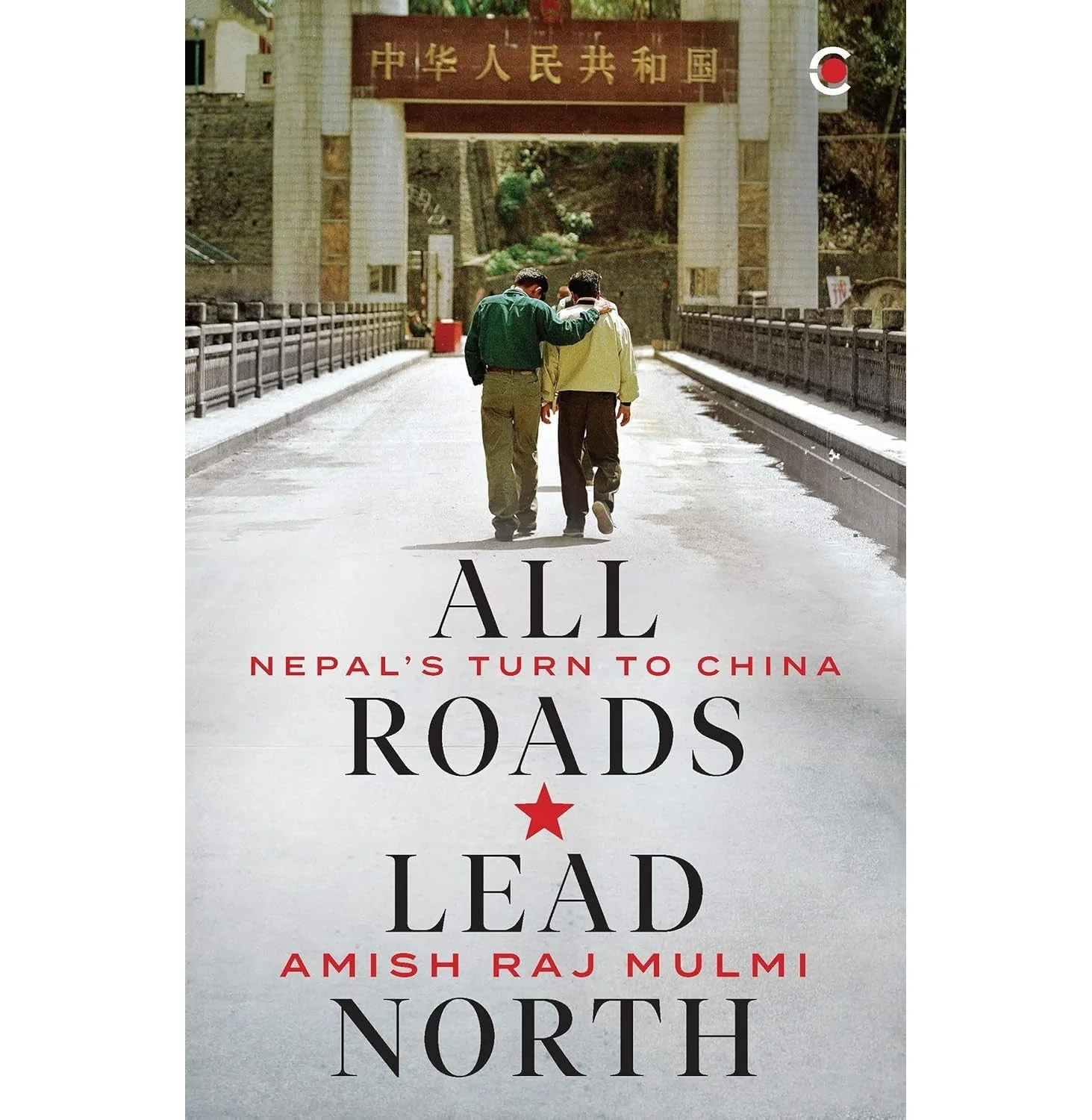
All Roads Lead North
All Roads Lead North
This is a rigorous, well‑researched non-fiction study of Nepal’s foreign relations and the ascent of China as a global power. It examines how a small nation navigates between two influential neighbors as power dynamics in South Asia shift, offering a clear view of the forces that shape diplomacy and regional balance. The intended reader includes policy enthusiasts, history buffs, and students of international relations seeking a deeper, more nuanced understanding of how geography, religion, and trade influence state behavior. The tone is thoughtful, insightful, and informative, inviting readers to thoughtfully assess complex geopolitical choices.
Presented as a compelling blend of historical study and journalistic reportage, the work combines archival research, on-the-ground interviews, and careful analysis. It moves beyond headlines to connect long-running cultural and economic ties—rooted in Buddhism, ancient trade networks, and cross-border interactions—with contemporary strategic decisions, including border disputes and shifting partnerships. The writing is accessible and engaging, guiding readers through a chronological and thematic journey that illuminates how small states negotiate large regional dynamics without sacrificing depth or rigor.
Concepts explored include geopolitics, foreign policy strategy, regional history, the role of religion in diplomacy, and the impact of trade networks on modern decisions. Learning feels accessible as complex ideas are anchored in real-world cases, with clear explanations, concrete examples, and thoughtfully structured analysis that makes challenging topics approachable.
- Historical and contemporary analysis of Nepal’s foreign relations and South Asian power dynamics
- Exploration of Buddhism’s historical ties, cross-border trade, and their influence on diplomacy
- In-depth case studies and turning-point events, including discussions around the Kalapani dispute in 2020
- Rigorous, narrative journalism style that blends archival material with on-the-ground reporting
- Structured timelines and context-rich storytelling that clarify cause and effect in regional politics
After reading, readers gain a nuanced understanding of how regional forces shape global power structures and how a small country can influence the broader balance of influence in Asia. The book builds curiosity, fosters informed perspective on diplomacy, and leaves a lasting impression of the resilience and adaptability inherent in national strategies amid a rapidly evolving world.
Original: $7.30
-70%$7.30
$2.19Product Information
Product Information
Shipping & Returns
Shipping & Returns
Description
This is a rigorous, well‑researched non-fiction study of Nepal’s foreign relations and the ascent of China as a global power. It examines how a small nation navigates between two influential neighbors as power dynamics in South Asia shift, offering a clear view of the forces that shape diplomacy and regional balance. The intended reader includes policy enthusiasts, history buffs, and students of international relations seeking a deeper, more nuanced understanding of how geography, religion, and trade influence state behavior. The tone is thoughtful, insightful, and informative, inviting readers to thoughtfully assess complex geopolitical choices.
Presented as a compelling blend of historical study and journalistic reportage, the work combines archival research, on-the-ground interviews, and careful analysis. It moves beyond headlines to connect long-running cultural and economic ties—rooted in Buddhism, ancient trade networks, and cross-border interactions—with contemporary strategic decisions, including border disputes and shifting partnerships. The writing is accessible and engaging, guiding readers through a chronological and thematic journey that illuminates how small states negotiate large regional dynamics without sacrificing depth or rigor.
Concepts explored include geopolitics, foreign policy strategy, regional history, the role of religion in diplomacy, and the impact of trade networks on modern decisions. Learning feels accessible as complex ideas are anchored in real-world cases, with clear explanations, concrete examples, and thoughtfully structured analysis that makes challenging topics approachable.
- Historical and contemporary analysis of Nepal’s foreign relations and South Asian power dynamics
- Exploration of Buddhism’s historical ties, cross-border trade, and their influence on diplomacy
- In-depth case studies and turning-point events, including discussions around the Kalapani dispute in 2020
- Rigorous, narrative journalism style that blends archival material with on-the-ground reporting
- Structured timelines and context-rich storytelling that clarify cause and effect in regional politics
After reading, readers gain a nuanced understanding of how regional forces shape global power structures and how a small country can influence the broader balance of influence in Asia. The book builds curiosity, fosters informed perspective on diplomacy, and leaves a lasting impression of the resilience and adaptability inherent in national strategies amid a rapidly evolving world.