An Made In India: How A Foreignanguage Becameocal
An English Made In India: How A Foreign Language Became Local explores the intricate history of English in India, tracing its origins from a bustling trading outpost to a language rooted in daily life and culture. This historical study sits at the crossroads of language, empire, and society, making it a compelling choice for history buffs, students, and curious readers who want a clear sense of how language can reflect and reshape power. The tone is thoughtful and educational, inviting readers to consider a complex past with empathy and insight.
Written in an engaging, narrative style, the book unfolds in a clearly structured journey through five centuries of change. It blends political history with linguistic analysis, economic data, and firsthand context to show how English moved from colonial instrument to local language. Readers will find a steady, paced exploration of key moments—from early East India Company trade to the pivotal shift after the 1857 revolt—paired with accessible explanations of concepts like language policy, cultural assimilation, and global economics. If you’re drawn to histories that illuminate language as a living force, this book offers a rich, enlightening experience.
- Key content elements: origins of English in India, the rise of the East India Company, the 1757 Battle of Plassey, the 1857 revolt, and the dramatic change in India's share of world GDP from 23% to just over 3% by the end of colonial rule, plus how English evolved locally.
- Interactive or standout features: a chronology-driven narrative that ties political events to linguistic and cultural shifts, supported by historical detail and perspective from scholars and contemporaries.
- Learning outcomes or experiences: a nuanced understanding of how language can be both a tool of power and a catalyst for cultural integration, along with critical insights into colonial history and its lasting impact.
- Writing or illustration style: clear, authoritative, and approachable prose that makes dense history accessible without sacrificing rigor.
What you take away after reading An English Made In India: How A Foreign Language Became Local is a deeper understanding of how language intertwines with empire, economy, and everyday life. You’ll finish with a sharpened perspective on the enduring legacy of colonial history and how English continues to shape Indian culture and identity today—a lasting, thoughtful impression that informs how we read language and power in our world.
Product Information
Product Information
Shipping & Returns
Shipping & Returns
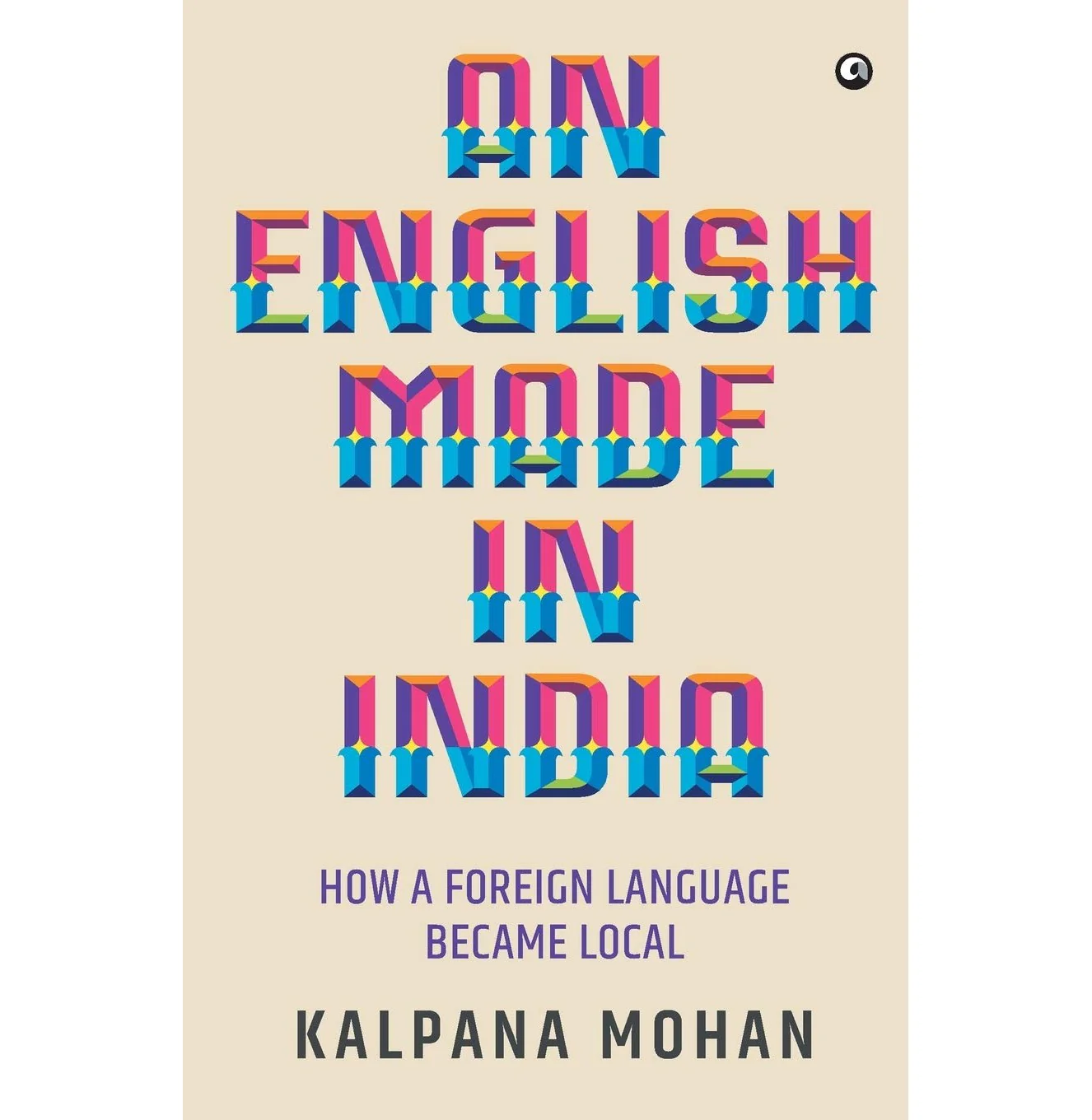
An Made In India: How A Foreignanguage Becameocal
An Made In India: How A Foreignanguage Becameocal
An English Made In India: How A Foreign Language Became Local explores the intricate history of English in India, tracing its origins from a bustling trading outpost to a language rooted in daily life and culture. This historical study sits at the crossroads of language, empire, and society, making it a compelling choice for history buffs, students, and curious readers who want a clear sense of how language can reflect and reshape power. The tone is thoughtful and educational, inviting readers to consider a complex past with empathy and insight.
Written in an engaging, narrative style, the book unfolds in a clearly structured journey through five centuries of change. It blends political history with linguistic analysis, economic data, and firsthand context to show how English moved from colonial instrument to local language. Readers will find a steady, paced exploration of key moments—from early East India Company trade to the pivotal shift after the 1857 revolt—paired with accessible explanations of concepts like language policy, cultural assimilation, and global economics. If you’re drawn to histories that illuminate language as a living force, this book offers a rich, enlightening experience.
- Key content elements: origins of English in India, the rise of the East India Company, the 1757 Battle of Plassey, the 1857 revolt, and the dramatic change in India's share of world GDP from 23% to just over 3% by the end of colonial rule, plus how English evolved locally.
- Interactive or standout features: a chronology-driven narrative that ties political events to linguistic and cultural shifts, supported by historical detail and perspective from scholars and contemporaries.
- Learning outcomes or experiences: a nuanced understanding of how language can be both a tool of power and a catalyst for cultural integration, along with critical insights into colonial history and its lasting impact.
- Writing or illustration style: clear, authoritative, and approachable prose that makes dense history accessible without sacrificing rigor.
What you take away after reading An English Made In India: How A Foreign Language Became Local is a deeper understanding of how language intertwines with empire, economy, and everyday life. You’ll finish with a sharpened perspective on the enduring legacy of colonial history and how English continues to shape Indian culture and identity today—a lasting, thoughtful impression that informs how we read language and power in our world.
Product Information
Product Information
Shipping & Returns
Shipping & Returns
Description
An English Made In India: How A Foreign Language Became Local explores the intricate history of English in India, tracing its origins from a bustling trading outpost to a language rooted in daily life and culture. This historical study sits at the crossroads of language, empire, and society, making it a compelling choice for history buffs, students, and curious readers who want a clear sense of how language can reflect and reshape power. The tone is thoughtful and educational, inviting readers to consider a complex past with empathy and insight.
Written in an engaging, narrative style, the book unfolds in a clearly structured journey through five centuries of change. It blends political history with linguistic analysis, economic data, and firsthand context to show how English moved from colonial instrument to local language. Readers will find a steady, paced exploration of key moments—from early East India Company trade to the pivotal shift after the 1857 revolt—paired with accessible explanations of concepts like language policy, cultural assimilation, and global economics. If you’re drawn to histories that illuminate language as a living force, this book offers a rich, enlightening experience.
- Key content elements: origins of English in India, the rise of the East India Company, the 1757 Battle of Plassey, the 1857 revolt, and the dramatic change in India's share of world GDP from 23% to just over 3% by the end of colonial rule, plus how English evolved locally.
- Interactive or standout features: a chronology-driven narrative that ties political events to linguistic and cultural shifts, supported by historical detail and perspective from scholars and contemporaries.
- Learning outcomes or experiences: a nuanced understanding of how language can be both a tool of power and a catalyst for cultural integration, along with critical insights into colonial history and its lasting impact.
- Writing or illustration style: clear, authoritative, and approachable prose that makes dense history accessible without sacrificing rigor.
What you take away after reading An English Made In India: How A Foreign Language Became Local is a deeper understanding of how language intertwines with empire, economy, and everyday life. You’ll finish with a sharpened perspective on the enduring legacy of colonial history and how English continues to shape Indian culture and identity today—a lasting, thoughtful impression that informs how we read language and power in our world.