At The Limits Of Cure
This non-fiction, anthropological history traces how tuberculosis treatment in India has shaped our understanding of what it means to be cured. Spanning colonial sanatoria, travel cures, and postcolonial realities marked by antibiotic miracles and their failures, the narrative asks how cures are defined, pursued, and sometimes undone. It’s written for readers with an interest in medical history, anthropology, and public health, delivered in a thoughtful, reflective tone that invites careful consideration rather than sensationalism.
The content unfolds as a story-led, evidence-rich journey across diverse sites—from idyllic hill stations to crowded prisons, aboard ships, and in battlefield clinics—blending archival material with ethnographic insight. Readers follow a through-line that shows cure as a process that travels through time and place, not simply as an ending. The reading experience is distinctive for its multi-site perspective and its willingness to challenge easy narratives about how antibiotics shape healing.
For learners, the volume covers the history of medicine, antibiotic development, and the social, political, and ethical dimensions of care. Learning feels accessible through concrete case studies, vivid scenes, and interdisciplinary analysis that connects broad trends to individual experiences.
- Content elements: historical analysis of tuberculosis treatment in India; ethnographic scenes across sites; colonial and postcolonial contexts; cross-site case studies; examination of research trials and clinical encounters
- Learning outcomes: understanding how cure is socially constructed; insights into antibiotic efficacy and resistance; ability to read medical histories critically
- Writing style: clear, engaging prose that blends history, anthropology, and medicine; narrative-driven and thought-provoking
- Standout features: multi-site perspective; archival research; a narrative that connects past and present public health questions
After finishing, readers gain a nuanced understanding of cure as a dynamic, culturally entangled process shaped by policy, science, and everyday life. It builds curiosity, encourages critical thinking about medical narratives, and leaves a lasting impression of the complexity behind healing and the future of antimicrobial care.
Product Information
Product Information
Shipping & Returns
Shipping & Returns
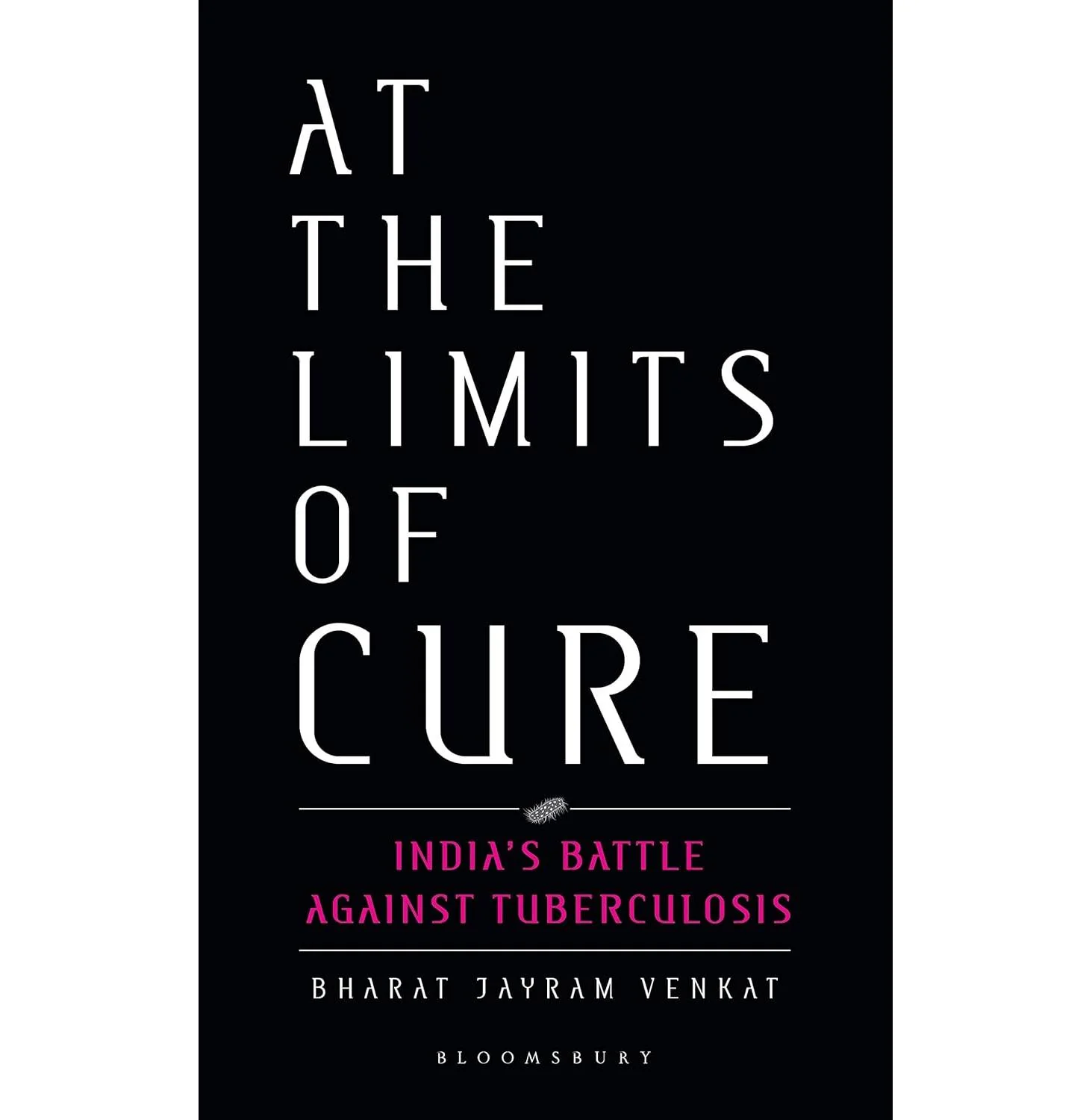
At The Limits Of Cure
At The Limits Of Cure
This non-fiction, anthropological history traces how tuberculosis treatment in India has shaped our understanding of what it means to be cured. Spanning colonial sanatoria, travel cures, and postcolonial realities marked by antibiotic miracles and their failures, the narrative asks how cures are defined, pursued, and sometimes undone. It’s written for readers with an interest in medical history, anthropology, and public health, delivered in a thoughtful, reflective tone that invites careful consideration rather than sensationalism.
The content unfolds as a story-led, evidence-rich journey across diverse sites—from idyllic hill stations to crowded prisons, aboard ships, and in battlefield clinics—blending archival material with ethnographic insight. Readers follow a through-line that shows cure as a process that travels through time and place, not simply as an ending. The reading experience is distinctive for its multi-site perspective and its willingness to challenge easy narratives about how antibiotics shape healing.
For learners, the volume covers the history of medicine, antibiotic development, and the social, political, and ethical dimensions of care. Learning feels accessible through concrete case studies, vivid scenes, and interdisciplinary analysis that connects broad trends to individual experiences.
- Content elements: historical analysis of tuberculosis treatment in India; ethnographic scenes across sites; colonial and postcolonial contexts; cross-site case studies; examination of research trials and clinical encounters
- Learning outcomes: understanding how cure is socially constructed; insights into antibiotic efficacy and resistance; ability to read medical histories critically
- Writing style: clear, engaging prose that blends history, anthropology, and medicine; narrative-driven and thought-provoking
- Standout features: multi-site perspective; archival research; a narrative that connects past and present public health questions
After finishing, readers gain a nuanced understanding of cure as a dynamic, culturally entangled process shaped by policy, science, and everyday life. It builds curiosity, encourages critical thinking about medical narratives, and leaves a lasting impression of the complexity behind healing and the future of antimicrobial care.
Original: $3.75
-70%$3.75
$1.12Product Information
Product Information
Shipping & Returns
Shipping & Returns
Description
This non-fiction, anthropological history traces how tuberculosis treatment in India has shaped our understanding of what it means to be cured. Spanning colonial sanatoria, travel cures, and postcolonial realities marked by antibiotic miracles and their failures, the narrative asks how cures are defined, pursued, and sometimes undone. It’s written for readers with an interest in medical history, anthropology, and public health, delivered in a thoughtful, reflective tone that invites careful consideration rather than sensationalism.
The content unfolds as a story-led, evidence-rich journey across diverse sites—from idyllic hill stations to crowded prisons, aboard ships, and in battlefield clinics—blending archival material with ethnographic insight. Readers follow a through-line that shows cure as a process that travels through time and place, not simply as an ending. The reading experience is distinctive for its multi-site perspective and its willingness to challenge easy narratives about how antibiotics shape healing.
For learners, the volume covers the history of medicine, antibiotic development, and the social, political, and ethical dimensions of care. Learning feels accessible through concrete case studies, vivid scenes, and interdisciplinary analysis that connects broad trends to individual experiences.
- Content elements: historical analysis of tuberculosis treatment in India; ethnographic scenes across sites; colonial and postcolonial contexts; cross-site case studies; examination of research trials and clinical encounters
- Learning outcomes: understanding how cure is socially constructed; insights into antibiotic efficacy and resistance; ability to read medical histories critically
- Writing style: clear, engaging prose that blends history, anthropology, and medicine; narrative-driven and thought-provoking
- Standout features: multi-site perspective; archival research; a narrative that connects past and present public health questions
After finishing, readers gain a nuanced understanding of cure as a dynamic, culturally entangled process shaped by policy, science, and everyday life. It builds curiosity, encourages critical thinking about medical narratives, and leaves a lasting impression of the complexity behind healing and the future of antimicrobial care.