Ayodhya: 6 December 1992
This is a non-fiction history and current affairs examination that unpacks a turning point in modern Indian politics. The central theme is how religious sentiment, governance, and political strategy intersect to shape elections and policy. It’s aimed at adult readers, students of politics, history enthusiasts, and anyone seeking a rigorous, evidence-based account of a defining moment. The tone is thoughtful, analytical, and sometimes cautionary, inviting readers to weigh accountability and consequence.
Presented as a documentary-style narrative grounded in primary sources—parliamentary debates, court orders, and eyewitness testimony—the account offers an insider perspective from a former Indian prime minister. This firsthand viewpoint is balanced by corroborating sources, providing a nuanced look at the forces that propelled the events and their aftermath.
Readers follow a structured exploration of decisions, public sentiment, media narratives, and electoral outcomes. The writing is engaging because it weaves archival material with reflective commentary, guiding readers through complex political maneuvers without sensationalism. The material invites active reading, with clear connections between events, consequences, and long-term implications for democracy.
- Primary-source grounded narrative with official records and eyewitness accounts
- Insider perspective from a former Indian prime minister
- Documentary-style writing that makes complex politics accessible
- Analysis of religious nationalism, political strategy, and their impact on democracy and elections
- Grounded in parliamentary proceedings and court orders to support critical thinking
- Ideal for students, researchers, and readers of modern Indian history and current affairs
After reading, you’ll gain a nuanced understanding of early 1990s Indian politics, with tools to examine how religious currents influence policy and electoral dynamics. It invites deeper reflection on accountability and democratic processes, leaving readers with a measured, informed perspective on a defining moment in history.
Product Information
Product Information
Shipping & Returns
Shipping & Returns
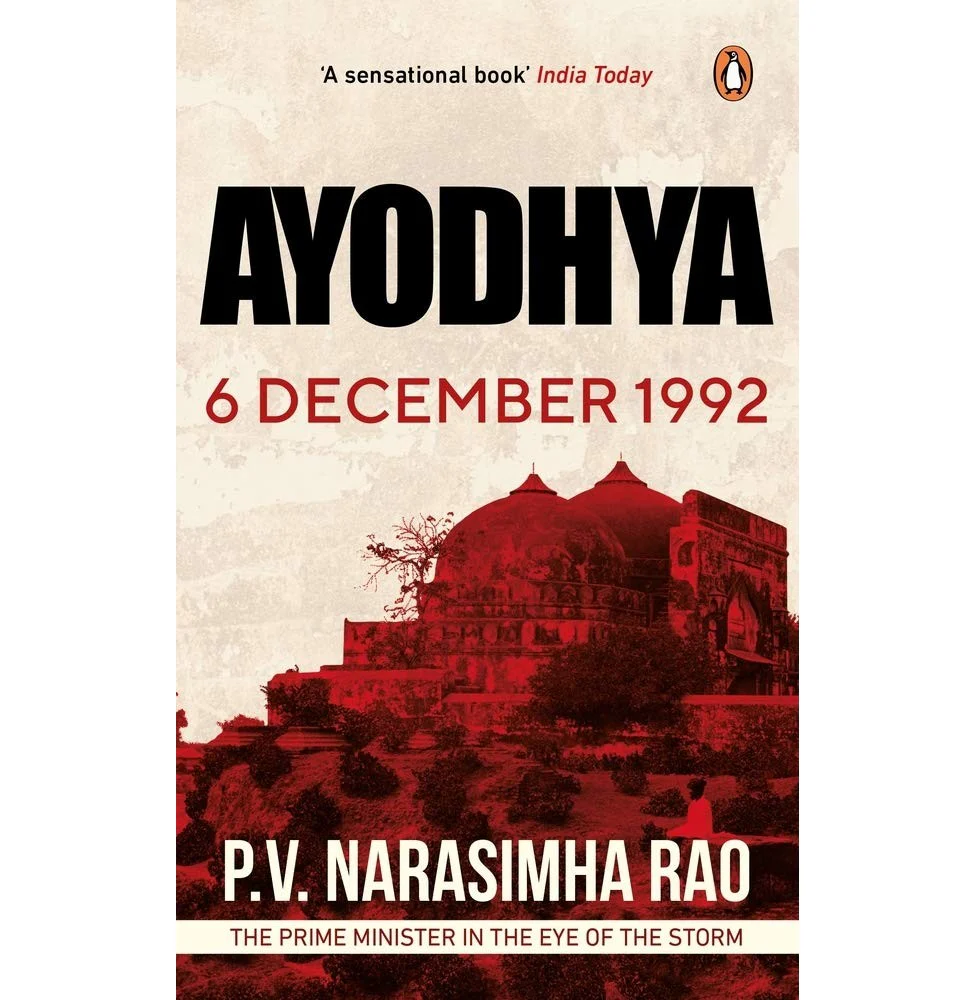
Ayodhya: 6 December 1992
Ayodhya: 6 December 1992
This is a non-fiction history and current affairs examination that unpacks a turning point in modern Indian politics. The central theme is how religious sentiment, governance, and political strategy intersect to shape elections and policy. It’s aimed at adult readers, students of politics, history enthusiasts, and anyone seeking a rigorous, evidence-based account of a defining moment. The tone is thoughtful, analytical, and sometimes cautionary, inviting readers to weigh accountability and consequence.
Presented as a documentary-style narrative grounded in primary sources—parliamentary debates, court orders, and eyewitness testimony—the account offers an insider perspective from a former Indian prime minister. This firsthand viewpoint is balanced by corroborating sources, providing a nuanced look at the forces that propelled the events and their aftermath.
Readers follow a structured exploration of decisions, public sentiment, media narratives, and electoral outcomes. The writing is engaging because it weaves archival material with reflective commentary, guiding readers through complex political maneuvers without sensationalism. The material invites active reading, with clear connections between events, consequences, and long-term implications for democracy.
- Primary-source grounded narrative with official records and eyewitness accounts
- Insider perspective from a former Indian prime minister
- Documentary-style writing that makes complex politics accessible
- Analysis of religious nationalism, political strategy, and their impact on democracy and elections
- Grounded in parliamentary proceedings and court orders to support critical thinking
- Ideal for students, researchers, and readers of modern Indian history and current affairs
After reading, you’ll gain a nuanced understanding of early 1990s Indian politics, with tools to examine how religious currents influence policy and electoral dynamics. It invites deeper reflection on accountability and democratic processes, leaving readers with a measured, informed perspective on a defining moment in history.
Original: $3.64
-70%$3.64
$1.09Product Information
Product Information
Shipping & Returns
Shipping & Returns
Description
This is a non-fiction history and current affairs examination that unpacks a turning point in modern Indian politics. The central theme is how religious sentiment, governance, and political strategy intersect to shape elections and policy. It’s aimed at adult readers, students of politics, history enthusiasts, and anyone seeking a rigorous, evidence-based account of a defining moment. The tone is thoughtful, analytical, and sometimes cautionary, inviting readers to weigh accountability and consequence.
Presented as a documentary-style narrative grounded in primary sources—parliamentary debates, court orders, and eyewitness testimony—the account offers an insider perspective from a former Indian prime minister. This firsthand viewpoint is balanced by corroborating sources, providing a nuanced look at the forces that propelled the events and their aftermath.
Readers follow a structured exploration of decisions, public sentiment, media narratives, and electoral outcomes. The writing is engaging because it weaves archival material with reflective commentary, guiding readers through complex political maneuvers without sensationalism. The material invites active reading, with clear connections between events, consequences, and long-term implications for democracy.
- Primary-source grounded narrative with official records and eyewitness accounts
- Insider perspective from a former Indian prime minister
- Documentary-style writing that makes complex politics accessible
- Analysis of religious nationalism, political strategy, and their impact on democracy and elections
- Grounded in parliamentary proceedings and court orders to support critical thinking
- Ideal for students, researchers, and readers of modern Indian history and current affairs
After reading, you’ll gain a nuanced understanding of early 1990s Indian politics, with tools to examine how religious currents influence policy and electoral dynamics. It invites deeper reflection on accountability and democratic processes, leaving readers with a measured, informed perspective on a defining moment in history.


