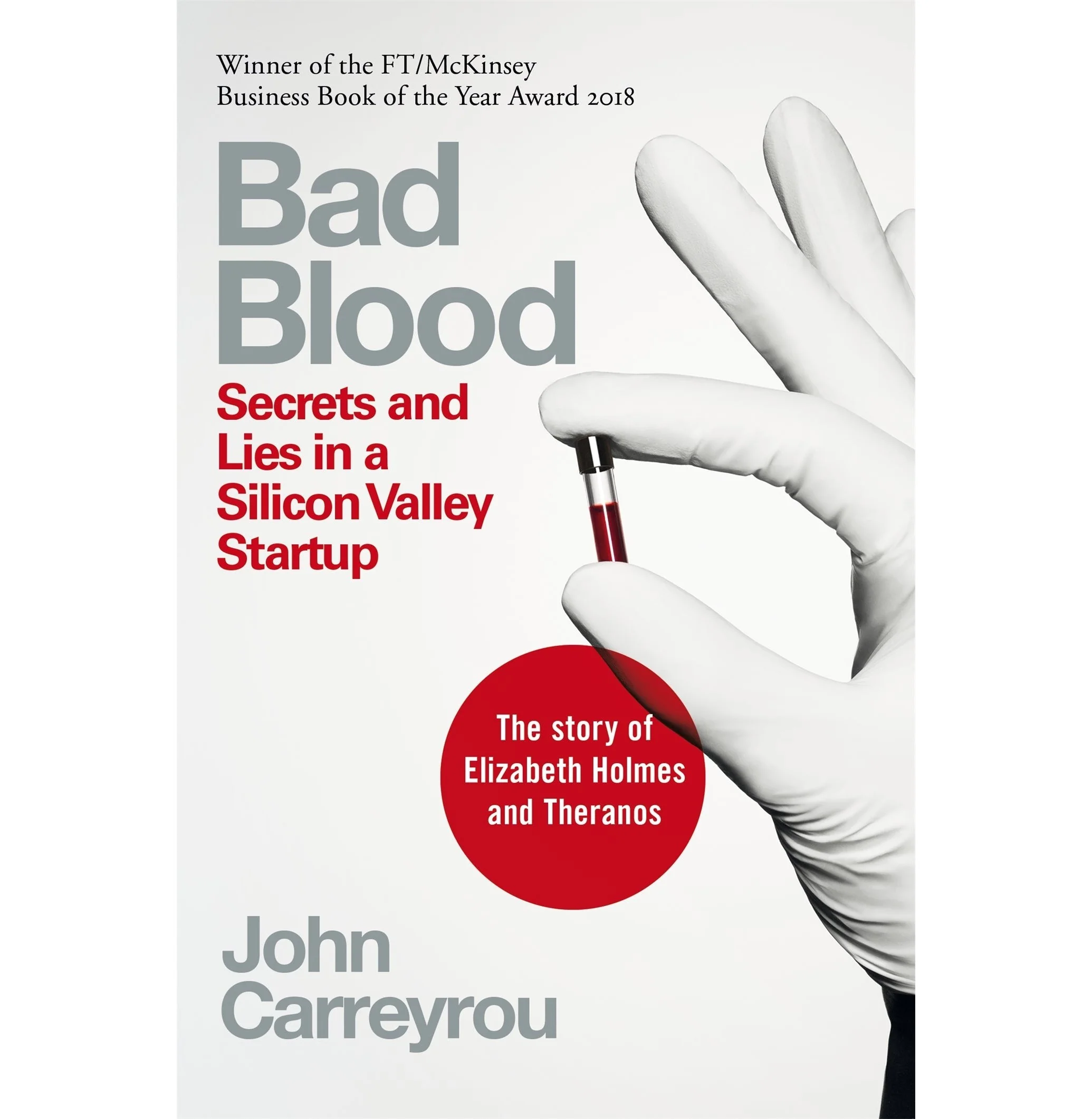
Bad Blood
Non-fiction narrative that reads like a high-stakes thriller, this investigative account dives into a Silicon Valley biotech startup's meteoric rise and dramatic collapse. It examines corporate fraud, the lure of hype, and the human cost behind billions in value. The intended readers are adults, business professionals, investors, students, and anyone curious about startup culture, investigative journalism, and the ethics of innovation. The tone is gripping, cautionary, and thought-provoking.
The book unfolds through meticulous reporting that blends interviews, internal documents, and courtroom records. The narrative follows a dedicated journalist as he uncovers the truth, weaving scientific context with personal accounts from scientists, whistleblowers, and executives. The result is a fast-paced, accessible read that clarifies complex biotech concepts without sacrificing tension. It also foregrounds real-world lessons about how scientific claims become market narratives.
What makes it distinctive is the multi-dimensional lens on science, business strategy, and legal jeopardy, with the voices of whistleblowers at the center. It offers a candid critique of startup culture, the pressure to chase unicorns, and the consequences of hype. Alongside the narrative, it highlights key concepts—fraud detection, governance, due diligence, and regulatory oversight—showing how learning these ideas feels practical and accessible even for readers new to biotech or business.
- Key content elements: inside look at the rise and collapse of a biotech startup, including whistleblower accounts and major legal battles
- Learning outcomes: understanding fraud detection, governance, due diligence, regulatory oversight, and ethics in innovation
- Writing style: narrative-driven, fact-based writing that blends interviews, primary sources, and clear science explanations
- Standout features: well-structured chronology and credible sourcing that help readers trace how hype and misinformation unfold in tech ventures
Readers finish with a nuanced understanding of how hype shapes markets, the vital role of investigative journalism, and a deeper empathy for those impacted by corporate decisions. It invites reflection on ethics, accountability, and critical thinking in an era of rapid innovation, leaving a lasting impression of vigilance and responsibility.
Product Information
Product Information
Shipping & Returns
Shipping & Returns

Bad Blood
Bad Blood
Non-fiction narrative that reads like a high-stakes thriller, this investigative account dives into a Silicon Valley biotech startup's meteoric rise and dramatic collapse. It examines corporate fraud, the lure of hype, and the human cost behind billions in value. The intended readers are adults, business professionals, investors, students, and anyone curious about startup culture, investigative journalism, and the ethics of innovation. The tone is gripping, cautionary, and thought-provoking.
The book unfolds through meticulous reporting that blends interviews, internal documents, and courtroom records. The narrative follows a dedicated journalist as he uncovers the truth, weaving scientific context with personal accounts from scientists, whistleblowers, and executives. The result is a fast-paced, accessible read that clarifies complex biotech concepts without sacrificing tension. It also foregrounds real-world lessons about how scientific claims become market narratives.
What makes it distinctive is the multi-dimensional lens on science, business strategy, and legal jeopardy, with the voices of whistleblowers at the center. It offers a candid critique of startup culture, the pressure to chase unicorns, and the consequences of hype. Alongside the narrative, it highlights key concepts—fraud detection, governance, due diligence, and regulatory oversight—showing how learning these ideas feels practical and accessible even for readers new to biotech or business.
- Key content elements: inside look at the rise and collapse of a biotech startup, including whistleblower accounts and major legal battles
- Learning outcomes: understanding fraud detection, governance, due diligence, regulatory oversight, and ethics in innovation
- Writing style: narrative-driven, fact-based writing that blends interviews, primary sources, and clear science explanations
- Standout features: well-structured chronology and credible sourcing that help readers trace how hype and misinformation unfold in tech ventures
Readers finish with a nuanced understanding of how hype shapes markets, the vital role of investigative journalism, and a deeper empathy for those impacted by corporate decisions. It invites reflection on ethics, accountability, and critical thinking in an era of rapid innovation, leaving a lasting impression of vigilance and responsibility.
Original: $4.56
-70%$4.56
$1.37Product Information
Product Information
Shipping & Returns
Shipping & Returns
Description
Non-fiction narrative that reads like a high-stakes thriller, this investigative account dives into a Silicon Valley biotech startup's meteoric rise and dramatic collapse. It examines corporate fraud, the lure of hype, and the human cost behind billions in value. The intended readers are adults, business professionals, investors, students, and anyone curious about startup culture, investigative journalism, and the ethics of innovation. The tone is gripping, cautionary, and thought-provoking.
The book unfolds through meticulous reporting that blends interviews, internal documents, and courtroom records. The narrative follows a dedicated journalist as he uncovers the truth, weaving scientific context with personal accounts from scientists, whistleblowers, and executives. The result is a fast-paced, accessible read that clarifies complex biotech concepts without sacrificing tension. It also foregrounds real-world lessons about how scientific claims become market narratives.
What makes it distinctive is the multi-dimensional lens on science, business strategy, and legal jeopardy, with the voices of whistleblowers at the center. It offers a candid critique of startup culture, the pressure to chase unicorns, and the consequences of hype. Alongside the narrative, it highlights key concepts—fraud detection, governance, due diligence, and regulatory oversight—showing how learning these ideas feels practical and accessible even for readers new to biotech or business.
- Key content elements: inside look at the rise and collapse of a biotech startup, including whistleblower accounts and major legal battles
- Learning outcomes: understanding fraud detection, governance, due diligence, regulatory oversight, and ethics in innovation
- Writing style: narrative-driven, fact-based writing that blends interviews, primary sources, and clear science explanations
- Standout features: well-structured chronology and credible sourcing that help readers trace how hype and misinformation unfold in tech ventures
Readers finish with a nuanced understanding of how hype shapes markets, the vital role of investigative journalism, and a deeper empathy for those impacted by corporate decisions. It invites reflection on ethics, accountability, and critical thinking in an era of rapid innovation, leaving a lasting impression of vigilance and responsibility.