Bhagmati: Why Hyderabad'S Lost Queen Is The Soul Of The City
Bhagmati: Why Hyderabad's Lost Queen Is the Soul of the City charts a romance that helped birth a city. Blending historical narrative with mythic lyricism, it dives into 16th-century Hyderabad under the Golconda sultanate and follows the love story of Mohammed Quli Qutb Shah and Bhagmati. Ideal for history buffs, readers drawn to epic love stories, and anyone curious about how culture and cities grow, this book carries a warm, inspiring tone that makes a distant past feel immediate and personal.
Written with careful research and a flowing, narrative voice, Bhagmati: Why Hyderabad's Lost Queen Is the Soul of the City weaves together how the ruler's court, poetry, religious landscapes, and daily life shape a city. The book unfolds as a seamless blend of legend and historical detail, tracing Bhagmati's dance at the Nagamalleswara temple and the perilous crossing of the Musi river, scenes that spark the creation of Hyderabad itself. The structure keeps the romance at the heart while offering rich context on the era's politics, art, and architecture.
Readers savor a warmly told journey through characters, setting, and a city in motion. In Bhagmati: Why Hyderabad's Lost Queen Is the Soul of the City, Basu invites you to see Hyderabad through the eyes of Bhagmati and Mohammed Quli Qutb Shah, a portrait of cultural revival and enduring love. The narrative foregrounds landmarks like the Purana Pul bridge and the founding of Bhagnagar as living outcomes of a romance, making history feel intimate and immediate. Moupia Basu's affection for Hyderabad and poetry shines through, presenting history as human, vibrant, and accessible.
- Rich historical romance set in 16th-century Hyderabad under the Golconda sultanate, weaving politics, poetry, and personal longing.
- The legendary romance between Mohammed Quli Qutb Shah and Bhagmati, with pivotal scenes at the Nagamalleswara temple and the crossing of the Musi river.
- The city’s birth and landmarks come alive—Purana Pul bridge and the founding of Bhagnagar—through a romance that shaped a metropolis.
- Warm, lyrical prose that blends myth and history into an accessible, immersive narrative.
- Themes of love, resilience, and cultural heritage that invite reflection on how stories shape places.
After finishing Bhagmati: Why Hyderabad's Lost Queen Is the Soul of the City, readers carry a deeper sense of Hyderabad's soul—a city born of love and perseverance. The book reveals history as a living, human story that resonates today, leaving you inspired by how imagination and devotion can shape places and people for generations.
Product Information
Product Information
Shipping & Returns
Shipping & Returns
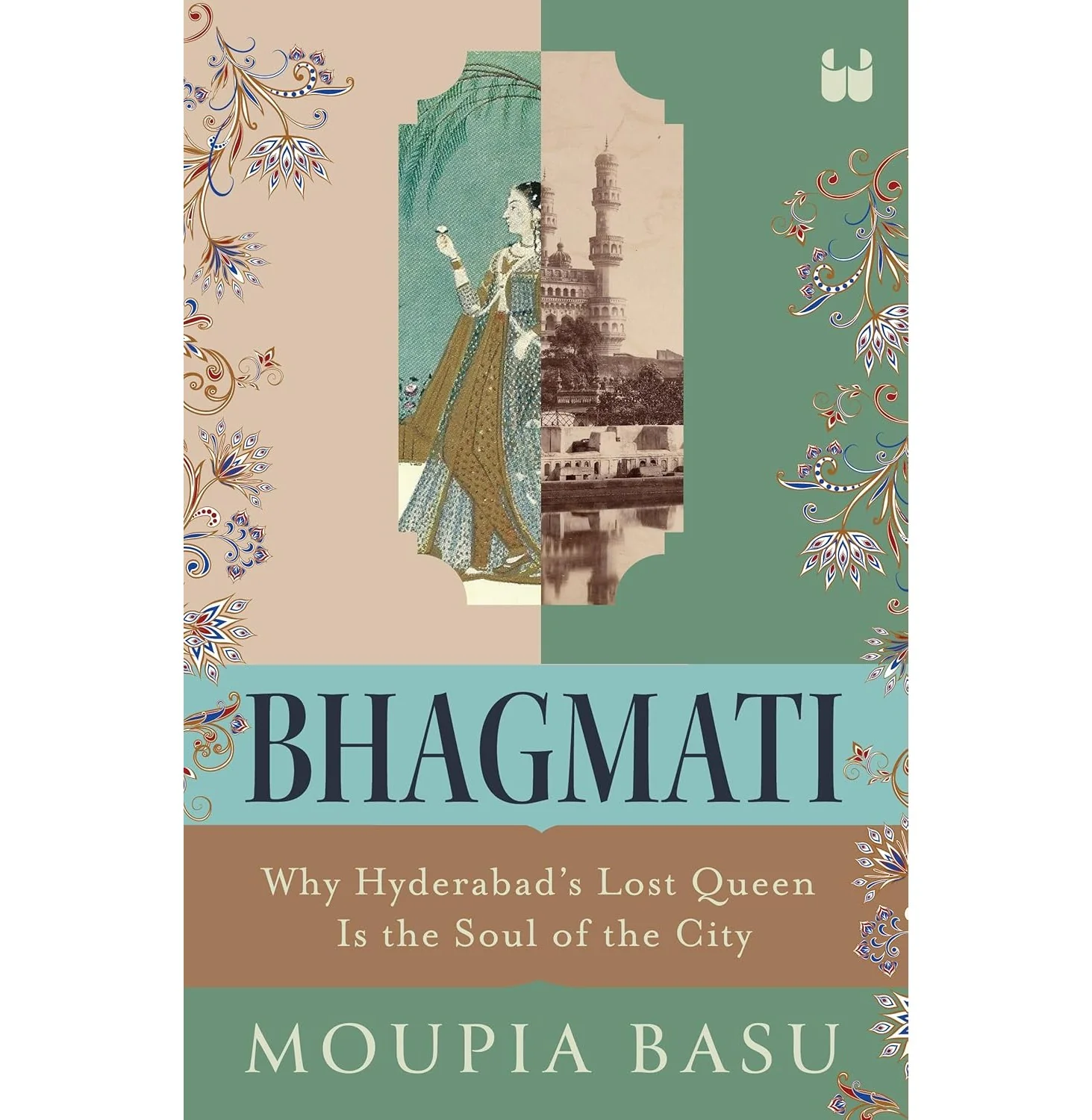
Bhagmati: Why Hyderabad'S Lost Queen Is The Soul Of The City
Bhagmati: Why Hyderabad'S Lost Queen Is The Soul Of The City
Bhagmati: Why Hyderabad's Lost Queen Is the Soul of the City charts a romance that helped birth a city. Blending historical narrative with mythic lyricism, it dives into 16th-century Hyderabad under the Golconda sultanate and follows the love story of Mohammed Quli Qutb Shah and Bhagmati. Ideal for history buffs, readers drawn to epic love stories, and anyone curious about how culture and cities grow, this book carries a warm, inspiring tone that makes a distant past feel immediate and personal.
Written with careful research and a flowing, narrative voice, Bhagmati: Why Hyderabad's Lost Queen Is the Soul of the City weaves together how the ruler's court, poetry, religious landscapes, and daily life shape a city. The book unfolds as a seamless blend of legend and historical detail, tracing Bhagmati's dance at the Nagamalleswara temple and the perilous crossing of the Musi river, scenes that spark the creation of Hyderabad itself. The structure keeps the romance at the heart while offering rich context on the era's politics, art, and architecture.
Readers savor a warmly told journey through characters, setting, and a city in motion. In Bhagmati: Why Hyderabad's Lost Queen Is the Soul of the City, Basu invites you to see Hyderabad through the eyes of Bhagmati and Mohammed Quli Qutb Shah, a portrait of cultural revival and enduring love. The narrative foregrounds landmarks like the Purana Pul bridge and the founding of Bhagnagar as living outcomes of a romance, making history feel intimate and immediate. Moupia Basu's affection for Hyderabad and poetry shines through, presenting history as human, vibrant, and accessible.
- Rich historical romance set in 16th-century Hyderabad under the Golconda sultanate, weaving politics, poetry, and personal longing.
- The legendary romance between Mohammed Quli Qutb Shah and Bhagmati, with pivotal scenes at the Nagamalleswara temple and the crossing of the Musi river.
- The city’s birth and landmarks come alive—Purana Pul bridge and the founding of Bhagnagar—through a romance that shaped a metropolis.
- Warm, lyrical prose that blends myth and history into an accessible, immersive narrative.
- Themes of love, resilience, and cultural heritage that invite reflection on how stories shape places.
After finishing Bhagmati: Why Hyderabad's Lost Queen Is the Soul of the City, readers carry a deeper sense of Hyderabad's soul—a city born of love and perseverance. The book reveals history as a living, human story that resonates today, leaving you inspired by how imagination and devotion can shape places and people for generations.
Original: $3.64
-70%$3.64
$1.09Product Information
Product Information
Shipping & Returns
Shipping & Returns
Description
Bhagmati: Why Hyderabad's Lost Queen Is the Soul of the City charts a romance that helped birth a city. Blending historical narrative with mythic lyricism, it dives into 16th-century Hyderabad under the Golconda sultanate and follows the love story of Mohammed Quli Qutb Shah and Bhagmati. Ideal for history buffs, readers drawn to epic love stories, and anyone curious about how culture and cities grow, this book carries a warm, inspiring tone that makes a distant past feel immediate and personal.
Written with careful research and a flowing, narrative voice, Bhagmati: Why Hyderabad's Lost Queen Is the Soul of the City weaves together how the ruler's court, poetry, religious landscapes, and daily life shape a city. The book unfolds as a seamless blend of legend and historical detail, tracing Bhagmati's dance at the Nagamalleswara temple and the perilous crossing of the Musi river, scenes that spark the creation of Hyderabad itself. The structure keeps the romance at the heart while offering rich context on the era's politics, art, and architecture.
Readers savor a warmly told journey through characters, setting, and a city in motion. In Bhagmati: Why Hyderabad's Lost Queen Is the Soul of the City, Basu invites you to see Hyderabad through the eyes of Bhagmati and Mohammed Quli Qutb Shah, a portrait of cultural revival and enduring love. The narrative foregrounds landmarks like the Purana Pul bridge and the founding of Bhagnagar as living outcomes of a romance, making history feel intimate and immediate. Moupia Basu's affection for Hyderabad and poetry shines through, presenting history as human, vibrant, and accessible.
- Rich historical romance set in 16th-century Hyderabad under the Golconda sultanate, weaving politics, poetry, and personal longing.
- The legendary romance between Mohammed Quli Qutb Shah and Bhagmati, with pivotal scenes at the Nagamalleswara temple and the crossing of the Musi river.
- The city’s birth and landmarks come alive—Purana Pul bridge and the founding of Bhagnagar—through a romance that shaped a metropolis.
- Warm, lyrical prose that blends myth and history into an accessible, immersive narrative.
- Themes of love, resilience, and cultural heritage that invite reflection on how stories shape places.
After finishing Bhagmati: Why Hyderabad's Lost Queen Is the Soul of the City, readers carry a deeper sense of Hyderabad's soul—a city born of love and perseverance. The book reveals history as a living, human story that resonates today, leaving you inspired by how imagination and devotion can shape places and people for generations.