Bhuj
Bhuj is more than a city history; it's a vivid ethnographic portrait of a place where centuries of craft and community meet the present-day work of rebuilding. The book traces Bhuj's 16th-century origins and its transformation after the devastating 2001 earthquake, weaving together the stories of rulers and everyday residents to reveal the city's distinctive charm and resilience. Written for adults and thoughtful readers with an interest in urban history, culture, and planning, Bhuj offers a thoughtful, inspiring portrait of how memory informs development and how artful living sustains a city through upheaval. The tone is contemplative and educational.
Structured as an immersive ethnographic narrative, Bhuj blends community-sourced anecdotes, archival research, and compelling illustrations. Produced in collaboration with the Environmental Planning Collaborative and featuring contributions from Haresh Dholakia, Umiyashankar Ajani, Naresh Antani, Rahamtulla Jamadar, Pramod Jethi, and Prabodh Mankad, the book maps the delicate relationship between craft and city-building. It also offers a thoughtful critique of contemporary development trends, inviting readers to weigh past wisdom against future ambitions.
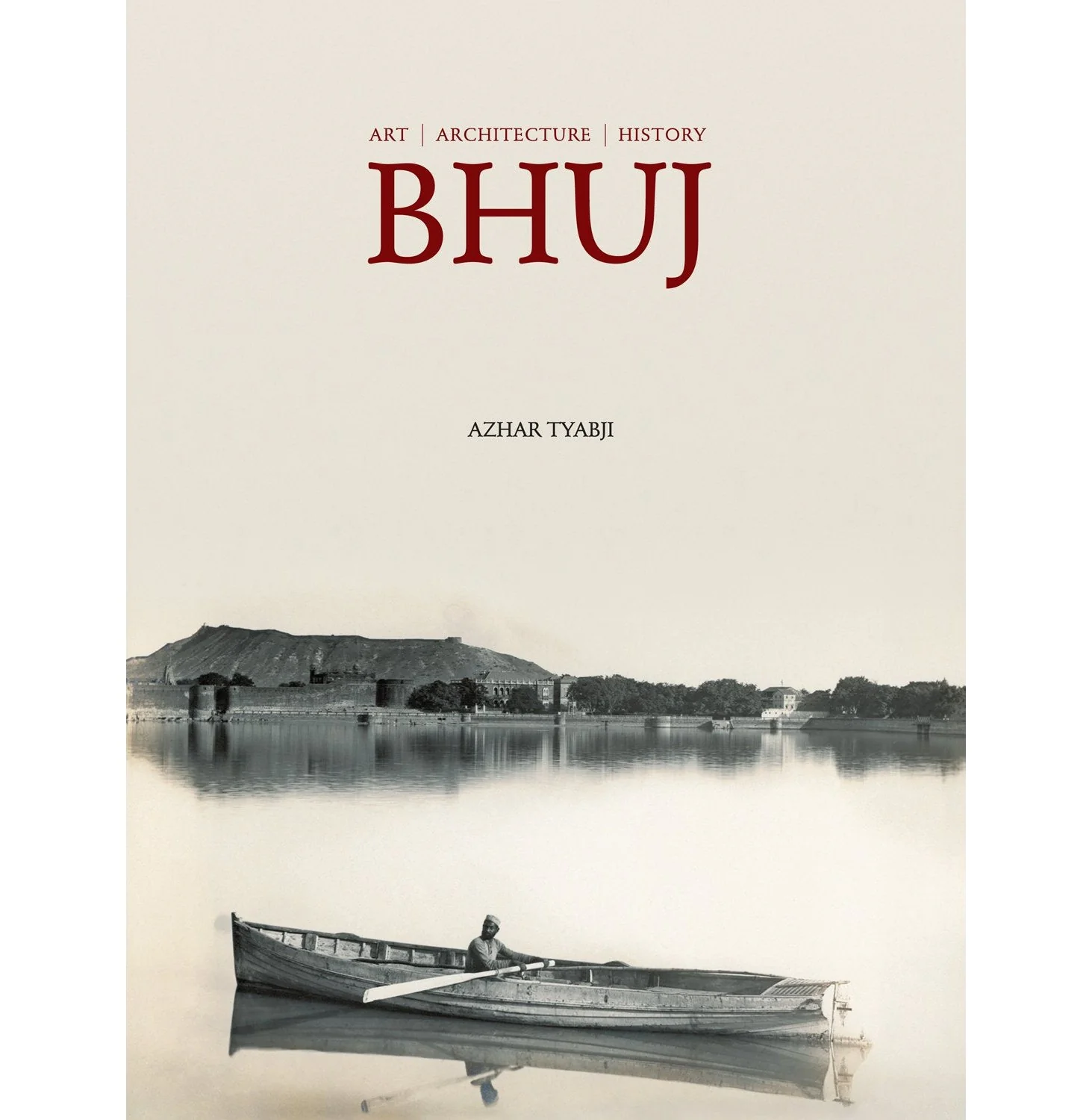
Rare photographs from the 19th and early 20th centuries accompany the narrative, creating a visual journey that partners with personal stories from Bhuj's vibrant community. The writing balances storytelling with analysis, making complex ideas about urban form, heritage, and resilience accessible to both curious travelers and professionals, including city planners and policymakers. Readers will come away with a richer sense of how arts, craft, and culture can illuminate and guide responsible growth.
- Ethnographic history spanning four and a half centuries, with emphasis on resilience after the 2001 earthquake
- Rich illustrations and rare photographs from the 19th and early 20th centuries, plus community-sourced stories
- Exploration of the link between craft and city-building, with a thoughtful critique of modern development trends
- Accessible, narrative presentation that blends archival insight with contemporary analysis
- Artistic and urban planning perspectives that highlight how arts can guide future growth
- Collaborative scholarship from the Environmental Planning Collaborative and contributions from noted authors
After finishing Bhuj, readers gain a deeper appreciation for how culture informs sustainable development and how a city’s memory can guide future planning — leaving them inspired, thoughtful, and confident in the power of resilient communities.
Product Information
Product Information
Shipping & Returns
Shipping & Returns
Bhuj
Bhuj
Bhuj is more than a city history; it's a vivid ethnographic portrait of a place where centuries of craft and community meet the present-day work of rebuilding. The book traces Bhuj's 16th-century origins and its transformation after the devastating 2001 earthquake, weaving together the stories of rulers and everyday residents to reveal the city's distinctive charm and resilience. Written for adults and thoughtful readers with an interest in urban history, culture, and planning, Bhuj offers a thoughtful, inspiring portrait of how memory informs development and how artful living sustains a city through upheaval. The tone is contemplative and educational.
Structured as an immersive ethnographic narrative, Bhuj blends community-sourced anecdotes, archival research, and compelling illustrations. Produced in collaboration with the Environmental Planning Collaborative and featuring contributions from Haresh Dholakia, Umiyashankar Ajani, Naresh Antani, Rahamtulla Jamadar, Pramod Jethi, and Prabodh Mankad, the book maps the delicate relationship between craft and city-building. It also offers a thoughtful critique of contemporary development trends, inviting readers to weigh past wisdom against future ambitions.
Rare photographs from the 19th and early 20th centuries accompany the narrative, creating a visual journey that partners with personal stories from Bhuj's vibrant community. The writing balances storytelling with analysis, making complex ideas about urban form, heritage, and resilience accessible to both curious travelers and professionals, including city planners and policymakers. Readers will come away with a richer sense of how arts, craft, and culture can illuminate and guide responsible growth.
- Ethnographic history spanning four and a half centuries, with emphasis on resilience after the 2001 earthquake
- Rich illustrations and rare photographs from the 19th and early 20th centuries, plus community-sourced stories
- Exploration of the link between craft and city-building, with a thoughtful critique of modern development trends
- Accessible, narrative presentation that blends archival insight with contemporary analysis
- Artistic and urban planning perspectives that highlight how arts can guide future growth
- Collaborative scholarship from the Environmental Planning Collaborative and contributions from noted authors
After finishing Bhuj, readers gain a deeper appreciation for how culture informs sustainable development and how a city’s memory can guide future planning — leaving them inspired, thoughtful, and confident in the power of resilient communities.
Original: $18.27
-70%$18.27
$5.48Product Information
Product Information
Shipping & Returns
Shipping & Returns
Description
Bhuj is more than a city history; it's a vivid ethnographic portrait of a place where centuries of craft and community meet the present-day work of rebuilding. The book traces Bhuj's 16th-century origins and its transformation after the devastating 2001 earthquake, weaving together the stories of rulers and everyday residents to reveal the city's distinctive charm and resilience. Written for adults and thoughtful readers with an interest in urban history, culture, and planning, Bhuj offers a thoughtful, inspiring portrait of how memory informs development and how artful living sustains a city through upheaval. The tone is contemplative and educational.
Structured as an immersive ethnographic narrative, Bhuj blends community-sourced anecdotes, archival research, and compelling illustrations. Produced in collaboration with the Environmental Planning Collaborative and featuring contributions from Haresh Dholakia, Umiyashankar Ajani, Naresh Antani, Rahamtulla Jamadar, Pramod Jethi, and Prabodh Mankad, the book maps the delicate relationship between craft and city-building. It also offers a thoughtful critique of contemporary development trends, inviting readers to weigh past wisdom against future ambitions.
Rare photographs from the 19th and early 20th centuries accompany the narrative, creating a visual journey that partners with personal stories from Bhuj's vibrant community. The writing balances storytelling with analysis, making complex ideas about urban form, heritage, and resilience accessible to both curious travelers and professionals, including city planners and policymakers. Readers will come away with a richer sense of how arts, craft, and culture can illuminate and guide responsible growth.
- Ethnographic history spanning four and a half centuries, with emphasis on resilience after the 2001 earthquake
- Rich illustrations and rare photographs from the 19th and early 20th centuries, plus community-sourced stories
- Exploration of the link between craft and city-building, with a thoughtful critique of modern development trends
- Accessible, narrative presentation that blends archival insight with contemporary analysis
- Artistic and urban planning perspectives that highlight how arts can guide future growth
- Collaborative scholarship from the Environmental Planning Collaborative and contributions from noted authors
After finishing Bhuj, readers gain a deeper appreciation for how culture informs sustainable development and how a city’s memory can guide future planning — leaving them inspired, thoughtful, and confident in the power of resilient communities.