Bimal Roy : The Man Who Spoke
Bimal Roy: The Man Who Spoke in Pictures is a clear, engaging portrait of one of Indian cinema's most influential artists. This in-depth biography and critical study traces Roy's journey from his early Bengal years through his iconic black‑and‑white masterpieces—Udayer Pathe, Devdas, Sujata, Madhumati—and explains how his films reshaped cinematic language. Written for film lovers, students, and curious readers drawn to powerful character studies and thoughtful visuals, the book carries a warm, inspired, and accessible tone that helps readers understand why Roy matters—and why his stories still resonate today.
Structured as a richly researched narrative, the book weaves Roy's life with close readings of his celebrated works and features the voices of filmmakers and writers who illuminate his art. From Bengal’s cinema roots to the Bombay studio era, it offers an inviting pace that blends biography with cinematic analysis, creating a vivid map of Roy’s evolving vision.
In Bimal Roy: The Man Who Spoke in Pictures, readers will discover Roy's distinctive visual language—empathetic, complex characters illuminated by carefully crafted scenes—and how his storytelling grew across films like Udayer Pathe, Do Bigha Zamin, Bandini, and Madhumati. The volume draws on anecdotes and analyses from respected voices such as Nayantara Sahgal, Gulzar, Naseeruddin Shah, Khalid Mohammed, and scholars Meghnad Desai, Rachel Dwyer, and Paula Mayhew to offer a well-rounded look at Roy's Bengal beginnings and his rise in Bombay, without glossing over the challenges and choices that shaped his career.
- In-depth life story and filmography of Bimal Roy
- Close analyses of landmark films: Udayer Pathe, Do Bigha Zamin, Bandini, Devdas, Sujata, Madhumati
- Quotes, anecdotes, and perspectives from renowned filmmakers and critics
- Contextual history of Roy’s work from Bengal to Bombay
- Clear explanations of Roy's visual storytelling techniques and character portrayal
- Accessible, film-lovers’ prose that invites both newcomers and cinephiles
After finishing Bimal Roy: The Man Who Spoke in Pictures, readers gain a nuanced understanding of how cinema can speak to the human condition—empathy, resilience, and artful storytelling. The book leaves you with a deeper appreciation for Roy's lasting influence and invites you to view each frame as a conversation with life itself.
Product Information
Product Information
Shipping & Returns
Shipping & Returns
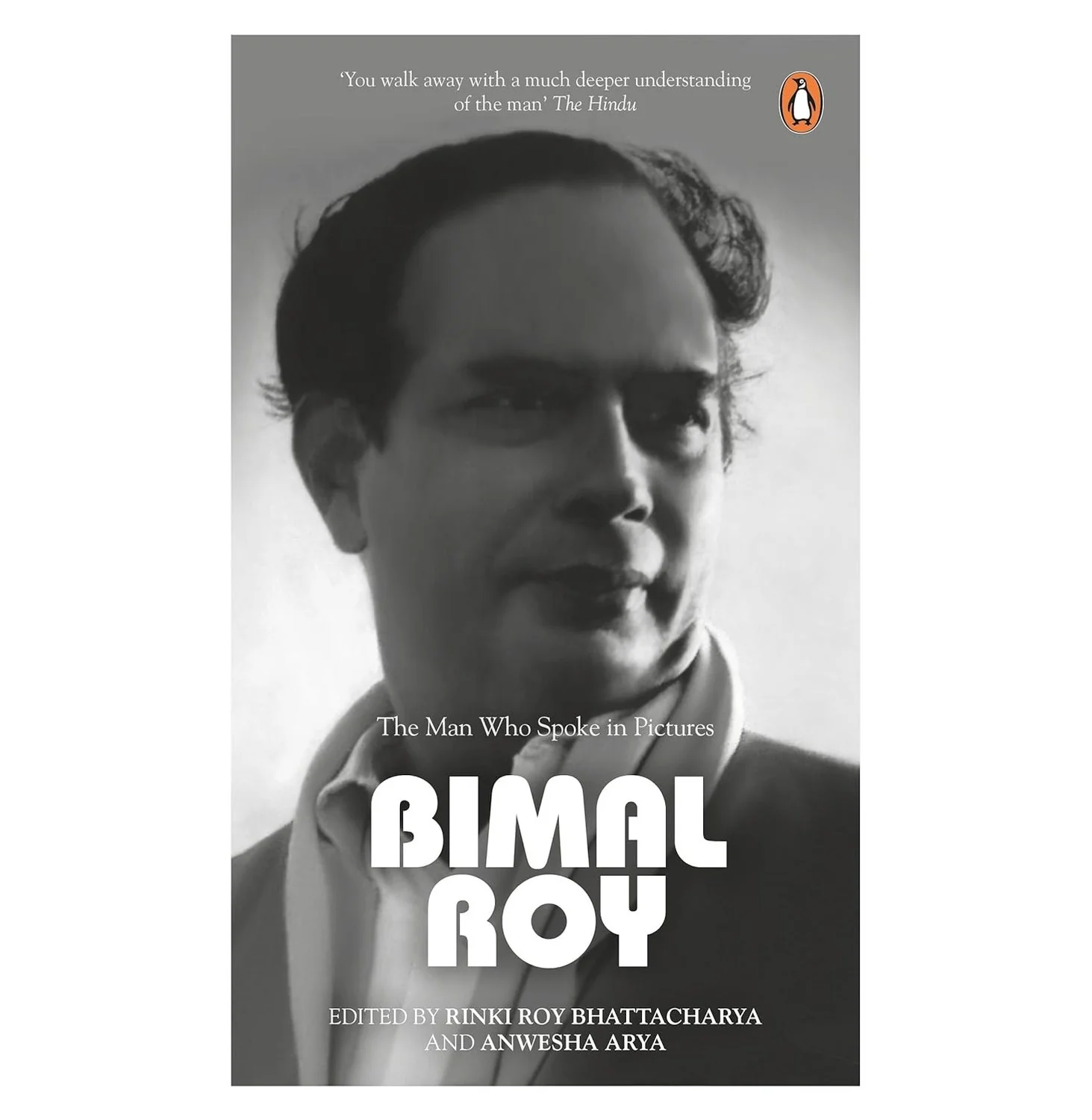
Bimal Roy : The Man Who Spoke
Bimal Roy : The Man Who Spoke
Bimal Roy: The Man Who Spoke in Pictures is a clear, engaging portrait of one of Indian cinema's most influential artists. This in-depth biography and critical study traces Roy's journey from his early Bengal years through his iconic black‑and‑white masterpieces—Udayer Pathe, Devdas, Sujata, Madhumati—and explains how his films reshaped cinematic language. Written for film lovers, students, and curious readers drawn to powerful character studies and thoughtful visuals, the book carries a warm, inspired, and accessible tone that helps readers understand why Roy matters—and why his stories still resonate today.
Structured as a richly researched narrative, the book weaves Roy's life with close readings of his celebrated works and features the voices of filmmakers and writers who illuminate his art. From Bengal’s cinema roots to the Bombay studio era, it offers an inviting pace that blends biography with cinematic analysis, creating a vivid map of Roy’s evolving vision.
In Bimal Roy: The Man Who Spoke in Pictures, readers will discover Roy's distinctive visual language—empathetic, complex characters illuminated by carefully crafted scenes—and how his storytelling grew across films like Udayer Pathe, Do Bigha Zamin, Bandini, and Madhumati. The volume draws on anecdotes and analyses from respected voices such as Nayantara Sahgal, Gulzar, Naseeruddin Shah, Khalid Mohammed, and scholars Meghnad Desai, Rachel Dwyer, and Paula Mayhew to offer a well-rounded look at Roy's Bengal beginnings and his rise in Bombay, without glossing over the challenges and choices that shaped his career.
- In-depth life story and filmography of Bimal Roy
- Close analyses of landmark films: Udayer Pathe, Do Bigha Zamin, Bandini, Devdas, Sujata, Madhumati
- Quotes, anecdotes, and perspectives from renowned filmmakers and critics
- Contextual history of Roy’s work from Bengal to Bombay
- Clear explanations of Roy's visual storytelling techniques and character portrayal
- Accessible, film-lovers’ prose that invites both newcomers and cinephiles
After finishing Bimal Roy: The Man Who Spoke in Pictures, readers gain a nuanced understanding of how cinema can speak to the human condition—empathy, resilience, and artful storytelling. The book leaves you with a deeper appreciation for Roy's lasting influence and invites you to view each frame as a conversation with life itself.
Original: $4.56
-70%$4.56
$1.37Product Information
Product Information
Shipping & Returns
Shipping & Returns
Description
Bimal Roy: The Man Who Spoke in Pictures is a clear, engaging portrait of one of Indian cinema's most influential artists. This in-depth biography and critical study traces Roy's journey from his early Bengal years through his iconic black‑and‑white masterpieces—Udayer Pathe, Devdas, Sujata, Madhumati—and explains how his films reshaped cinematic language. Written for film lovers, students, and curious readers drawn to powerful character studies and thoughtful visuals, the book carries a warm, inspired, and accessible tone that helps readers understand why Roy matters—and why his stories still resonate today.
Structured as a richly researched narrative, the book weaves Roy's life with close readings of his celebrated works and features the voices of filmmakers and writers who illuminate his art. From Bengal’s cinema roots to the Bombay studio era, it offers an inviting pace that blends biography with cinematic analysis, creating a vivid map of Roy’s evolving vision.
In Bimal Roy: The Man Who Spoke in Pictures, readers will discover Roy's distinctive visual language—empathetic, complex characters illuminated by carefully crafted scenes—and how his storytelling grew across films like Udayer Pathe, Do Bigha Zamin, Bandini, and Madhumati. The volume draws on anecdotes and analyses from respected voices such as Nayantara Sahgal, Gulzar, Naseeruddin Shah, Khalid Mohammed, and scholars Meghnad Desai, Rachel Dwyer, and Paula Mayhew to offer a well-rounded look at Roy's Bengal beginnings and his rise in Bombay, without glossing over the challenges and choices that shaped his career.
- In-depth life story and filmography of Bimal Roy
- Close analyses of landmark films: Udayer Pathe, Do Bigha Zamin, Bandini, Devdas, Sujata, Madhumati
- Quotes, anecdotes, and perspectives from renowned filmmakers and critics
- Contextual history of Roy’s work from Bengal to Bombay
- Clear explanations of Roy's visual storytelling techniques and character portrayal
- Accessible, film-lovers’ prose that invites both newcomers and cinephiles
After finishing Bimal Roy: The Man Who Spoke in Pictures, readers gain a nuanced understanding of how cinema can speak to the human condition—empathy, resilience, and artful storytelling. The book leaves you with a deeper appreciation for Roy's lasting influence and invites you to view each frame as a conversation with life itself.