Blood And Treasure: The Economics Of Conflict From The Vikings To Ukraine
Blood and Treasure takes readers on an engaging journey through the complicated relationship between economics and conflict from the Viking Age to the ongoing war in Ukraine. This paperback delves into the significant costs of war, encapsulated by the age-old phrase that highlights the expensive toll of human life and finances.
This book offers a rational perspective on two crucial economic concepts: incentives and institutions. It explains how incentives—shaped by broader social, cultural, and political contexts—drive behaviors that may seem irrational, particularly in times of war. As institutions evolve over time, they redefine the incentives that influence human actions, profoundly affecting economic outcomes throughout history.
Readers will explore intriguing scenarios and historical insights, including:
- Why Genghis Khan is viewed as a pioneer of globalization.
- The paradox of how New World gold and silver contributed to Spain's poverty.
- The concept of witch trials as a unique form of non-price competition.
- How pirate captains were innovative leaders in human resources.
- The unintended consequences of awarding medals in the Luftwaffe during World War II.
- Economic theories that played a role in the tragedy of Vietnam.
In addition, the book examines the decisions of medieval kings to provide their soldiers with inferior weapons, management lessons from figures like Joseph Stalin, and whether a culture of patronage and cronyism contributed to the Royal Navy's prominence. It also poses the thought-provoking question of whether war is always detrimental to the economy, challenging readers to rethink traditional views on this complex subject.
Blood and Treasure is a must-read for anyone interested in understanding how conflict shapes economies and societies throughout history. Its blend of economic analysis and historical narrative makes it an essential addition to your bookshelf.
Product Information
Product Information
Shipping & Returns
Shipping & Returns
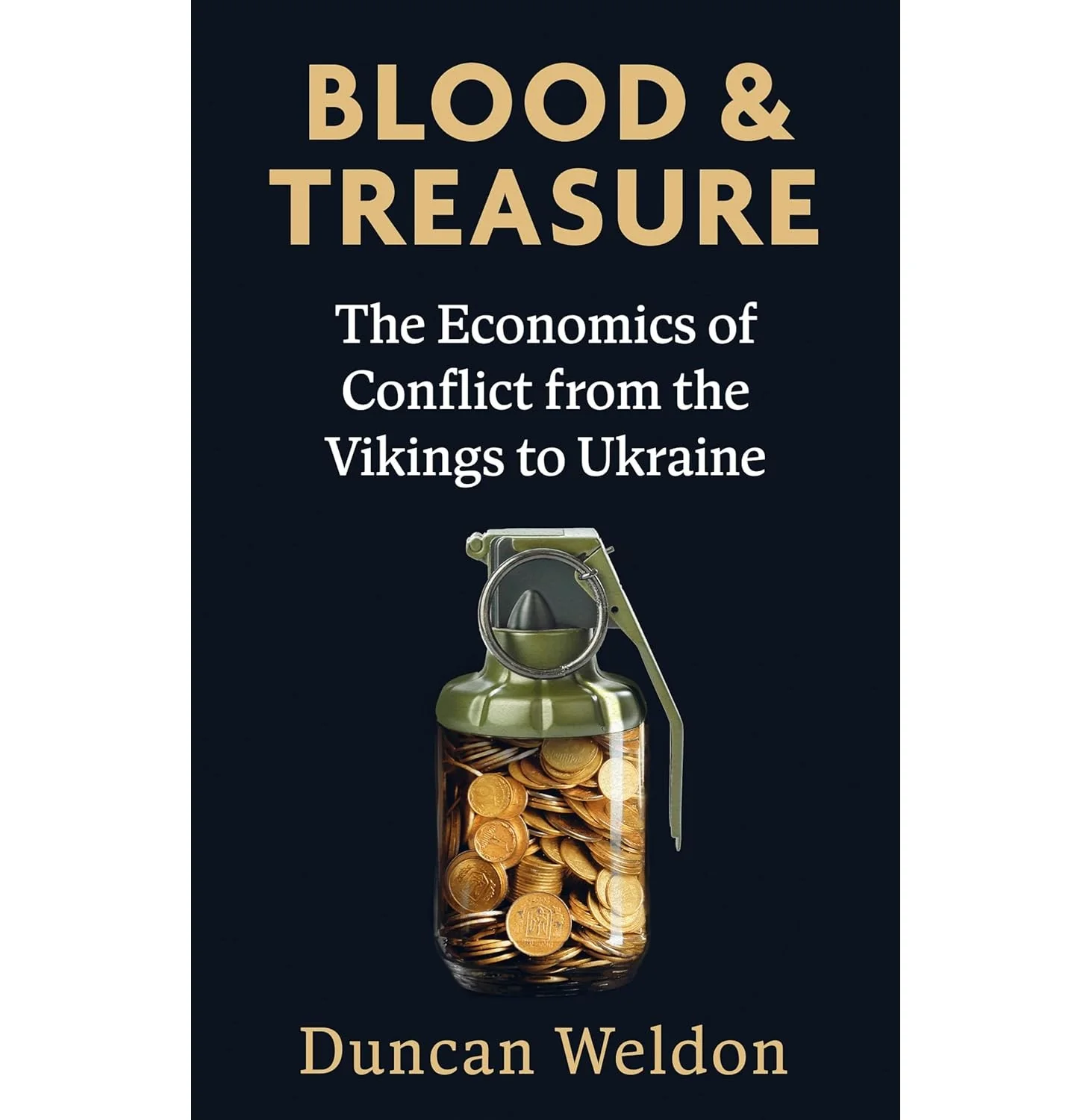
Blood And Treasure: The Economics Of Conflict From The Vikings To Ukraine
Blood And Treasure: The Economics Of Conflict From The Vikings To Ukraine
Blood and Treasure takes readers on an engaging journey through the complicated relationship between economics and conflict from the Viking Age to the ongoing war in Ukraine. This paperback delves into the significant costs of war, encapsulated by the age-old phrase that highlights the expensive toll of human life and finances.
This book offers a rational perspective on two crucial economic concepts: incentives and institutions. It explains how incentives—shaped by broader social, cultural, and political contexts—drive behaviors that may seem irrational, particularly in times of war. As institutions evolve over time, they redefine the incentives that influence human actions, profoundly affecting economic outcomes throughout history.
Readers will explore intriguing scenarios and historical insights, including:
- Why Genghis Khan is viewed as a pioneer of globalization.
- The paradox of how New World gold and silver contributed to Spain's poverty.
- The concept of witch trials as a unique form of non-price competition.
- How pirate captains were innovative leaders in human resources.
- The unintended consequences of awarding medals in the Luftwaffe during World War II.
- Economic theories that played a role in the tragedy of Vietnam.
In addition, the book examines the decisions of medieval kings to provide their soldiers with inferior weapons, management lessons from figures like Joseph Stalin, and whether a culture of patronage and cronyism contributed to the Royal Navy's prominence. It also poses the thought-provoking question of whether war is always detrimental to the economy, challenging readers to rethink traditional views on this complex subject.
Blood and Treasure is a must-read for anyone interested in understanding how conflict shapes economies and societies throughout history. Its blend of economic analysis and historical narrative makes it an essential addition to your bookshelf.
Original: $8.21
-70%$8.21
$2.46Product Information
Product Information
Shipping & Returns
Shipping & Returns
Description
Blood and Treasure takes readers on an engaging journey through the complicated relationship between economics and conflict from the Viking Age to the ongoing war in Ukraine. This paperback delves into the significant costs of war, encapsulated by the age-old phrase that highlights the expensive toll of human life and finances.
This book offers a rational perspective on two crucial economic concepts: incentives and institutions. It explains how incentives—shaped by broader social, cultural, and political contexts—drive behaviors that may seem irrational, particularly in times of war. As institutions evolve over time, they redefine the incentives that influence human actions, profoundly affecting economic outcomes throughout history.
Readers will explore intriguing scenarios and historical insights, including:
- Why Genghis Khan is viewed as a pioneer of globalization.
- The paradox of how New World gold and silver contributed to Spain's poverty.
- The concept of witch trials as a unique form of non-price competition.
- How pirate captains were innovative leaders in human resources.
- The unintended consequences of awarding medals in the Luftwaffe during World War II.
- Economic theories that played a role in the tragedy of Vietnam.
In addition, the book examines the decisions of medieval kings to provide their soldiers with inferior weapons, management lessons from figures like Joseph Stalin, and whether a culture of patronage and cronyism contributed to the Royal Navy's prominence. It also poses the thought-provoking question of whether war is always detrimental to the economy, challenging readers to rethink traditional views on this complex subject.
Blood and Treasure is a must-read for anyone interested in understanding how conflict shapes economies and societies throughout history. Its blend of economic analysis and historical narrative makes it an essential addition to your bookshelf.


