Chaff & Grain
This non-fiction investigation examines how India’s criminal justice system works—and where it fails. The central theme is reform and accountability, exploring how due process can falter, how the innocent become undertrials, and what policy changes can restore fairness. It’s for readers with an interest in law, policy, or social justice, including students, legal professionals, and engaged citizens. The tone is urgent yet hopeful, aiming to inform and inspire thoughtful action.
The content is presented as a rigorous case-study driven examination, moving from the mechanics of arrest and investigation to courtroom decisions, bail practices, and justice outcomes. Using high-profile cases such as Aarushi Talwar, Jessica Lal, Priyadarshini Mattoo, the Telgi fake stamp paper scam, and the Nirbhaya case, it shows how systems can go astray and where reforms are most needed. It also redefines hate speech and sedition in contemporary terms, inviting readers to rethink policy boundaries. The writing is clear, accessible, and evidence-based, designed for a broad audience while offering concrete reform proposals.
- Case-study driven exploration of arrests, bail, investigations, and trial outcomes in the Indian criminal justice system
- Redefinition of hate speech and sedition with policy implications for lawmakers and the public
- In-depth analysis of high-profile investigations, illustrating systemic strengths and weaknesses
- Clear, evidence-based writing that connects legal concepts to real-world consequences
- Actionable reform recommendations for policymakers, legal professionals, and students
- A thought-provoking, accessible narrative that invites readers to compare scenarios and form their own judgments
Readers emerge with a clearer picture of how justice is applied in practice, equipped to think critically about policy options and engage in informed conversations about reform. The book leaves a lasting impression of accountability, curiosity, and the power of evidence-based reasoning to shape a fairer system.
Product Information
Product Information
Shipping & Returns
Shipping & Returns
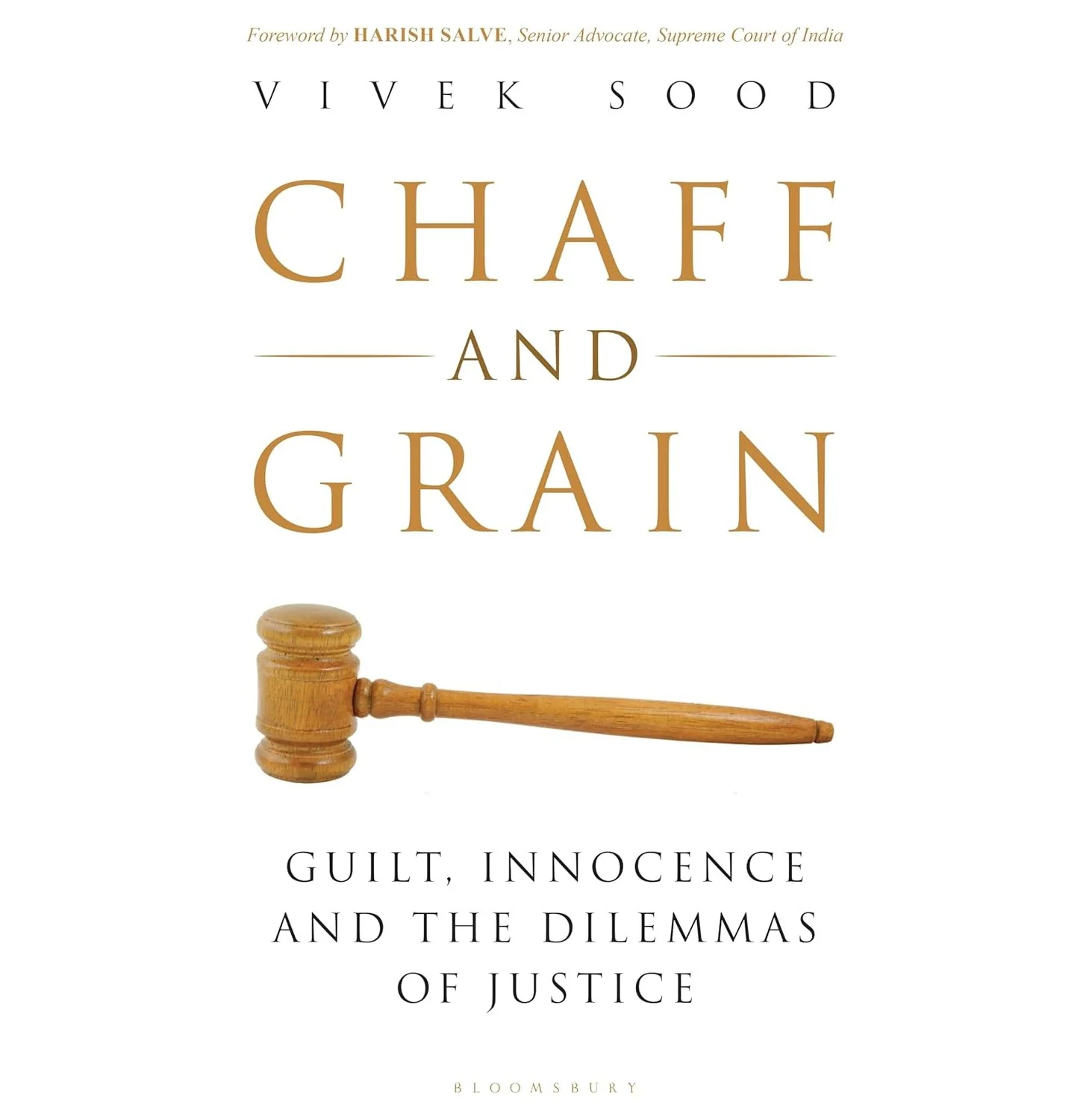
Chaff & Grain
Chaff & Grain
This non-fiction investigation examines how India’s criminal justice system works—and where it fails. The central theme is reform and accountability, exploring how due process can falter, how the innocent become undertrials, and what policy changes can restore fairness. It’s for readers with an interest in law, policy, or social justice, including students, legal professionals, and engaged citizens. The tone is urgent yet hopeful, aiming to inform and inspire thoughtful action.
The content is presented as a rigorous case-study driven examination, moving from the mechanics of arrest and investigation to courtroom decisions, bail practices, and justice outcomes. Using high-profile cases such as Aarushi Talwar, Jessica Lal, Priyadarshini Mattoo, the Telgi fake stamp paper scam, and the Nirbhaya case, it shows how systems can go astray and where reforms are most needed. It also redefines hate speech and sedition in contemporary terms, inviting readers to rethink policy boundaries. The writing is clear, accessible, and evidence-based, designed for a broad audience while offering concrete reform proposals.
- Case-study driven exploration of arrests, bail, investigations, and trial outcomes in the Indian criminal justice system
- Redefinition of hate speech and sedition with policy implications for lawmakers and the public
- In-depth analysis of high-profile investigations, illustrating systemic strengths and weaknesses
- Clear, evidence-based writing that connects legal concepts to real-world consequences
- Actionable reform recommendations for policymakers, legal professionals, and students
- A thought-provoking, accessible narrative that invites readers to compare scenarios and form their own judgments
Readers emerge with a clearer picture of how justice is applied in practice, equipped to think critically about policy options and engage in informed conversations about reform. The book leaves a lasting impression of accountability, curiosity, and the power of evidence-based reasoning to shape a fairer system.
Original: $7.30
-70%$7.30
$2.19Product Information
Product Information
Shipping & Returns
Shipping & Returns
Description
This non-fiction investigation examines how India’s criminal justice system works—and where it fails. The central theme is reform and accountability, exploring how due process can falter, how the innocent become undertrials, and what policy changes can restore fairness. It’s for readers with an interest in law, policy, or social justice, including students, legal professionals, and engaged citizens. The tone is urgent yet hopeful, aiming to inform and inspire thoughtful action.
The content is presented as a rigorous case-study driven examination, moving from the mechanics of arrest and investigation to courtroom decisions, bail practices, and justice outcomes. Using high-profile cases such as Aarushi Talwar, Jessica Lal, Priyadarshini Mattoo, the Telgi fake stamp paper scam, and the Nirbhaya case, it shows how systems can go astray and where reforms are most needed. It also redefines hate speech and sedition in contemporary terms, inviting readers to rethink policy boundaries. The writing is clear, accessible, and evidence-based, designed for a broad audience while offering concrete reform proposals.
- Case-study driven exploration of arrests, bail, investigations, and trial outcomes in the Indian criminal justice system
- Redefinition of hate speech and sedition with policy implications for lawmakers and the public
- In-depth analysis of high-profile investigations, illustrating systemic strengths and weaknesses
- Clear, evidence-based writing that connects legal concepts to real-world consequences
- Actionable reform recommendations for policymakers, legal professionals, and students
- A thought-provoking, accessible narrative that invites readers to compare scenarios and form their own judgments
Readers emerge with a clearer picture of how justice is applied in practice, equipped to think critically about policy options and engage in informed conversations about reform. The book leaves a lasting impression of accountability, curiosity, and the power of evidence-based reasoning to shape a fairer system.