City As Memory: A Short Biography Of Srinagar
Non-fiction memoir and cultural history that offers an intimate portrait of Srinagar, weaving personal memory with the city’s layered past. The central theme explores how landscape, history, and belonging shape identity in a place defined by beauty and conflict. The intended reader is anyone curious about Kashmir, urban history, memory studies, and understandings of home. The emotional tone is reflective, compassionate, and quietly hopeful.
The content is presented as narrative essays and observational prose that blend childhood recollections with historical context, field observations, and cultural insights. It reads like a guided walk through a city where Dal Lake’s serenity sits beside the consequences of decades of unrest, providing a human-centered approach to history.
Readers move through time via personal reminiscences and thoughtful exploration, encountering landscapes, moments of daily life, and conversations that reveal larger patterns of conflict, resilience, and identity. The author’s voice—rooted in memory yet sharpened by research—invites reflection without sacrificing immediacy or empathy.
After finishing, readers gain a nuanced understanding of how memory preserves a city’s humanity and how home endures in memory even amid upheaval. The work invites curiosity about urban history, cultural identity, and the resilience of communities, leaving a lasting impression of empathy, insight, and a more thoughtful view of place.
Product Information
Product Information
Shipping & Returns
Shipping & Returns
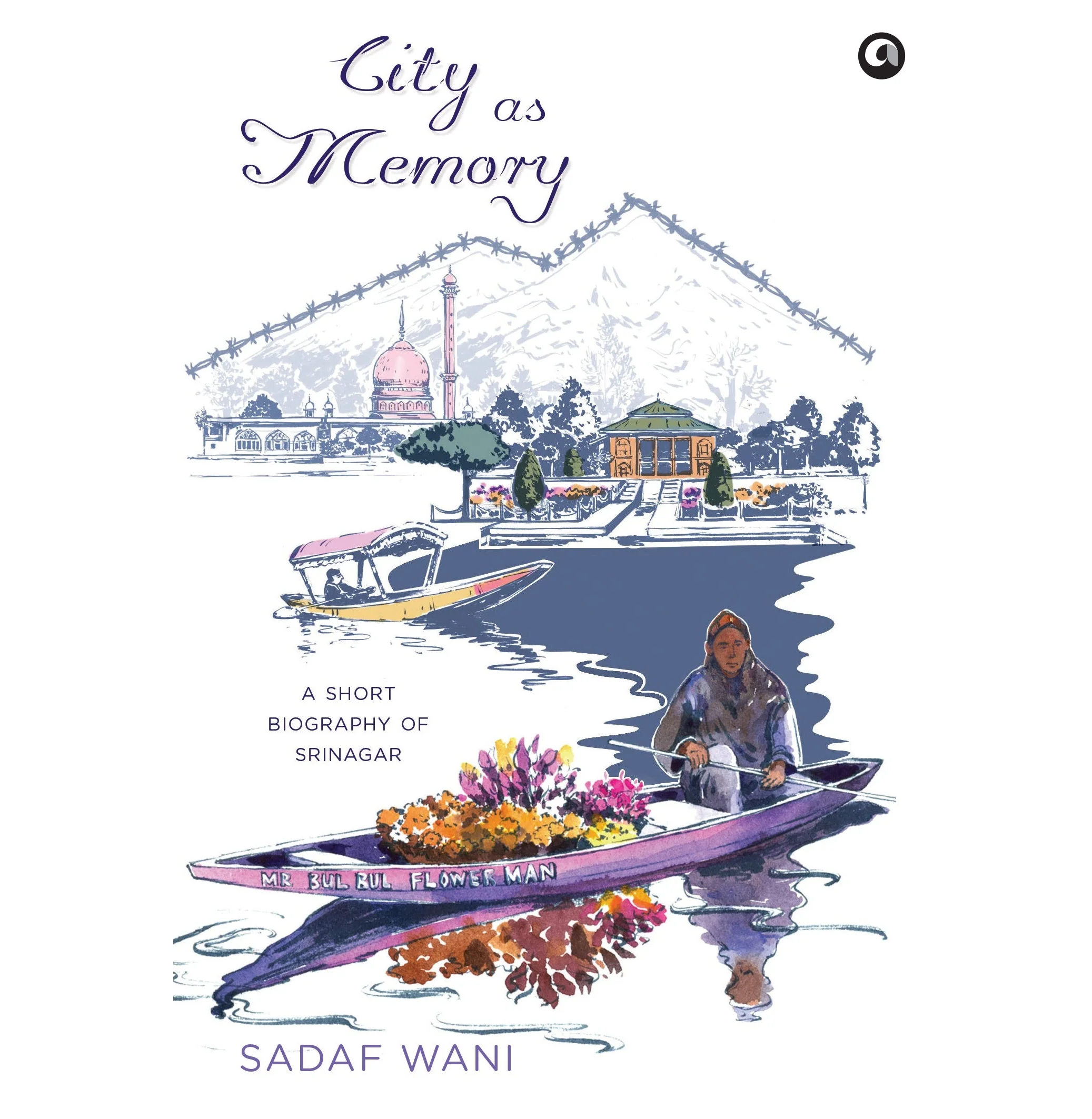
City As Memory: A Short Biography Of Srinagar
City As Memory: A Short Biography Of Srinagar
Non-fiction memoir and cultural history that offers an intimate portrait of Srinagar, weaving personal memory with the city’s layered past. The central theme explores how landscape, history, and belonging shape identity in a place defined by beauty and conflict. The intended reader is anyone curious about Kashmir, urban history, memory studies, and understandings of home. The emotional tone is reflective, compassionate, and quietly hopeful.
The content is presented as narrative essays and observational prose that blend childhood recollections with historical context, field observations, and cultural insights. It reads like a guided walk through a city where Dal Lake’s serenity sits beside the consequences of decades of unrest, providing a human-centered approach to history.
Readers move through time via personal reminiscences and thoughtful exploration, encountering landscapes, moments of daily life, and conversations that reveal larger patterns of conflict, resilience, and identity. The author’s voice—rooted in memory yet sharpened by research—invites reflection without sacrificing immediacy or empathy.
After finishing, readers gain a nuanced understanding of how memory preserves a city’s humanity and how home endures in memory even amid upheaval. The work invites curiosity about urban history, cultural identity, and the resilience of communities, leaving a lasting impression of empathy, insight, and a more thoughtful view of place.
Original: $3.64
-70%$3.64
$1.09Product Information
Product Information
Shipping & Returns
Shipping & Returns
Description
Non-fiction memoir and cultural history that offers an intimate portrait of Srinagar, weaving personal memory with the city’s layered past. The central theme explores how landscape, history, and belonging shape identity in a place defined by beauty and conflict. The intended reader is anyone curious about Kashmir, urban history, memory studies, and understandings of home. The emotional tone is reflective, compassionate, and quietly hopeful.
The content is presented as narrative essays and observational prose that blend childhood recollections with historical context, field observations, and cultural insights. It reads like a guided walk through a city where Dal Lake’s serenity sits beside the consequences of decades of unrest, providing a human-centered approach to history.
Readers move through time via personal reminiscences and thoughtful exploration, encountering landscapes, moments of daily life, and conversations that reveal larger patterns of conflict, resilience, and identity. The author’s voice—rooted in memory yet sharpened by research—invites reflection without sacrificing immediacy or empathy.
After finishing, readers gain a nuanced understanding of how memory preserves a city’s humanity and how home endures in memory even amid upheaval. The work invites curiosity about urban history, cultural identity, and the resilience of communities, leaving a lasting impression of empathy, insight, and a more thoughtful view of place.


