Common Errors
This non-fiction guide explains idioms and figurative language, revealing how common expressions color everyday speech, hint at origins, and reflect culture. It’s ideal for language learners, students, teachers, and curious readers who want to decode everyday expressions in a practical, encouraging way.
Content is presented as approachable lessons with concise definitions, real-world examples, and short practice prompts. The layout supports interactive learning with quick checks and relatable scenarios, guiding readers to move through the material by exploring common phrases, interpreting context, and testing understanding with guided exercises. The emphasis is language in use—how culture and history shape expression—making learning relevant and engaging.
Concepts covered include what idioms are, their origins, how to distinguish literal from figurative meanings, tracing origins, and applying what you learn to conversations and writing. Learning feels accessible and enjoyable through practical exercises, real-life usage, and a reader-friendly layout that supports focused study sessions.
- Key content elements: clear explanations of idioms and their origins; side-by-side literal vs. figurative examples; practical prompts and quick checks.
- Learning outcomes: improved ability to decode idioms, avoid misunderstandings in daily conversations, and apply language history to writing.
- Illustration or writing style: concise, contemporary writing that prioritizes clarity and real-world relevance.
- Interactive or standout features: guided exercises and relatable scenarios that make practice feel natural and purposeful.
After finishing, readers gain confidence decoding idioms, avoiding misunderstandings in daily conversations, and developing curiosity about language history. It leaves a positive, lasting impression by turning everyday expressions into approachable, engaging learning opportunities.
Product Information
Product Information
Shipping & Returns
Shipping & Returns
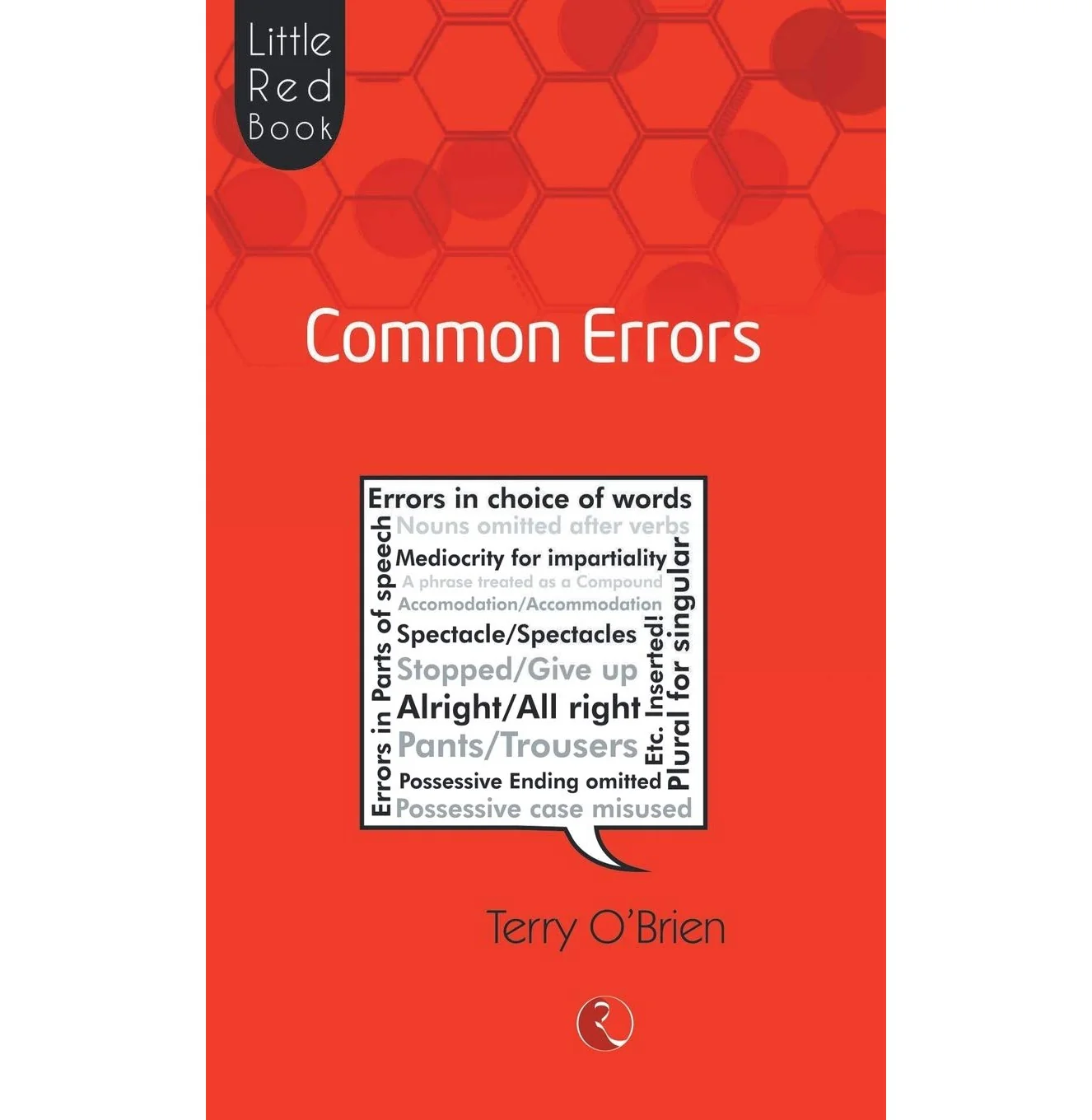
Common Errors
Common Errors
This non-fiction guide explains idioms and figurative language, revealing how common expressions color everyday speech, hint at origins, and reflect culture. It’s ideal for language learners, students, teachers, and curious readers who want to decode everyday expressions in a practical, encouraging way.
Content is presented as approachable lessons with concise definitions, real-world examples, and short practice prompts. The layout supports interactive learning with quick checks and relatable scenarios, guiding readers to move through the material by exploring common phrases, interpreting context, and testing understanding with guided exercises. The emphasis is language in use—how culture and history shape expression—making learning relevant and engaging.
Concepts covered include what idioms are, their origins, how to distinguish literal from figurative meanings, tracing origins, and applying what you learn to conversations and writing. Learning feels accessible and enjoyable through practical exercises, real-life usage, and a reader-friendly layout that supports focused study sessions.
- Key content elements: clear explanations of idioms and their origins; side-by-side literal vs. figurative examples; practical prompts and quick checks.
- Learning outcomes: improved ability to decode idioms, avoid misunderstandings in daily conversations, and apply language history to writing.
- Illustration or writing style: concise, contemporary writing that prioritizes clarity and real-world relevance.
- Interactive or standout features: guided exercises and relatable scenarios that make practice feel natural and purposeful.
After finishing, readers gain confidence decoding idioms, avoiding misunderstandings in daily conversations, and developing curiosity about language history. It leaves a positive, lasting impression by turning everyday expressions into approachable, engaging learning opportunities.
Product Information
Product Information
Shipping & Returns
Shipping & Returns
Description
This non-fiction guide explains idioms and figurative language, revealing how common expressions color everyday speech, hint at origins, and reflect culture. It’s ideal for language learners, students, teachers, and curious readers who want to decode everyday expressions in a practical, encouraging way.
Content is presented as approachable lessons with concise definitions, real-world examples, and short practice prompts. The layout supports interactive learning with quick checks and relatable scenarios, guiding readers to move through the material by exploring common phrases, interpreting context, and testing understanding with guided exercises. The emphasis is language in use—how culture and history shape expression—making learning relevant and engaging.
Concepts covered include what idioms are, their origins, how to distinguish literal from figurative meanings, tracing origins, and applying what you learn to conversations and writing. Learning feels accessible and enjoyable through practical exercises, real-life usage, and a reader-friendly layout that supports focused study sessions.
- Key content elements: clear explanations of idioms and their origins; side-by-side literal vs. figurative examples; practical prompts and quick checks.
- Learning outcomes: improved ability to decode idioms, avoid misunderstandings in daily conversations, and apply language history to writing.
- Illustration or writing style: concise, contemporary writing that prioritizes clarity and real-world relevance.
- Interactive or standout features: guided exercises and relatable scenarios that make practice feel natural and purposeful.
After finishing, readers gain confidence decoding idioms, avoiding misunderstandings in daily conversations, and developing curiosity about language history. It leaves a positive, lasting impression by turning everyday expressions into approachable, engaging learning opportunities.