Critical Mass
This non-fiction study offers a clear, accessible examination of India’s nuclear policy and its energy program. It centers on deterrence and the practical implications of No First Use and credible minimum deterrence, while exploring how civil energy ambitions intersect with security concerns. Designed for readers curious about international relations, security studies, or current affairs, it maintains a calm, informative tone that invites thoughtful evaluation rather than sensational conclusions.
Content is presented as policy analysis supported by photographs and anecdotes from field experiences. It threads together the civilian nuclear program with strategic deterrence, explaining components like No First Use and credible minimum deterrence and linking them to broader questions of energy policy and global security. Topics include the Indo-US nuclear deal, the Nuclear Liability Act, and international efforts to secure nuclear materials.
Readers move through the material with clear explanations, real-world examples, and accessible language that turn complex ideas into practical understanding. The narrative blends theory with case studies, helping readers see how doctrine translates into policy, diplomacy, and everyday implications for safety and energy planning. The inclusion of photographs and first-hand perspectives adds texture and keeps the discussion engaging.
- Key content elements: analysis of India's nuclear doctrine, civil-military policy, energy program, Indo-US nuclear deal, Nuclear Liability Act, nuclear security measures, FMCT negotiations, NTI Index, and major diplomatic milestones.
- Learning outcomes: grasp deterrence fundamentals, assess policy decisions, and think critically about energy security and international governance.
- Illustration and writing style: lucid, narrative-driven writing supported by photographs and personal anecdotes.
- Interactive or standout features: case studies and real-world examples that invite reflection and informed discussion.
After finishing, readers gain a nuanced understanding of India’s nuclear policy and energy choices, along with a framework for evaluating strategic questions in global security. It builds confidence to think critically about deterrence, diplomacy, and energy policy, leaving readers with a balanced perspective and curiosity to explore how policy shapes safety and energy for the future.
Product Information
Product Information
Shipping & Returns
Shipping & Returns
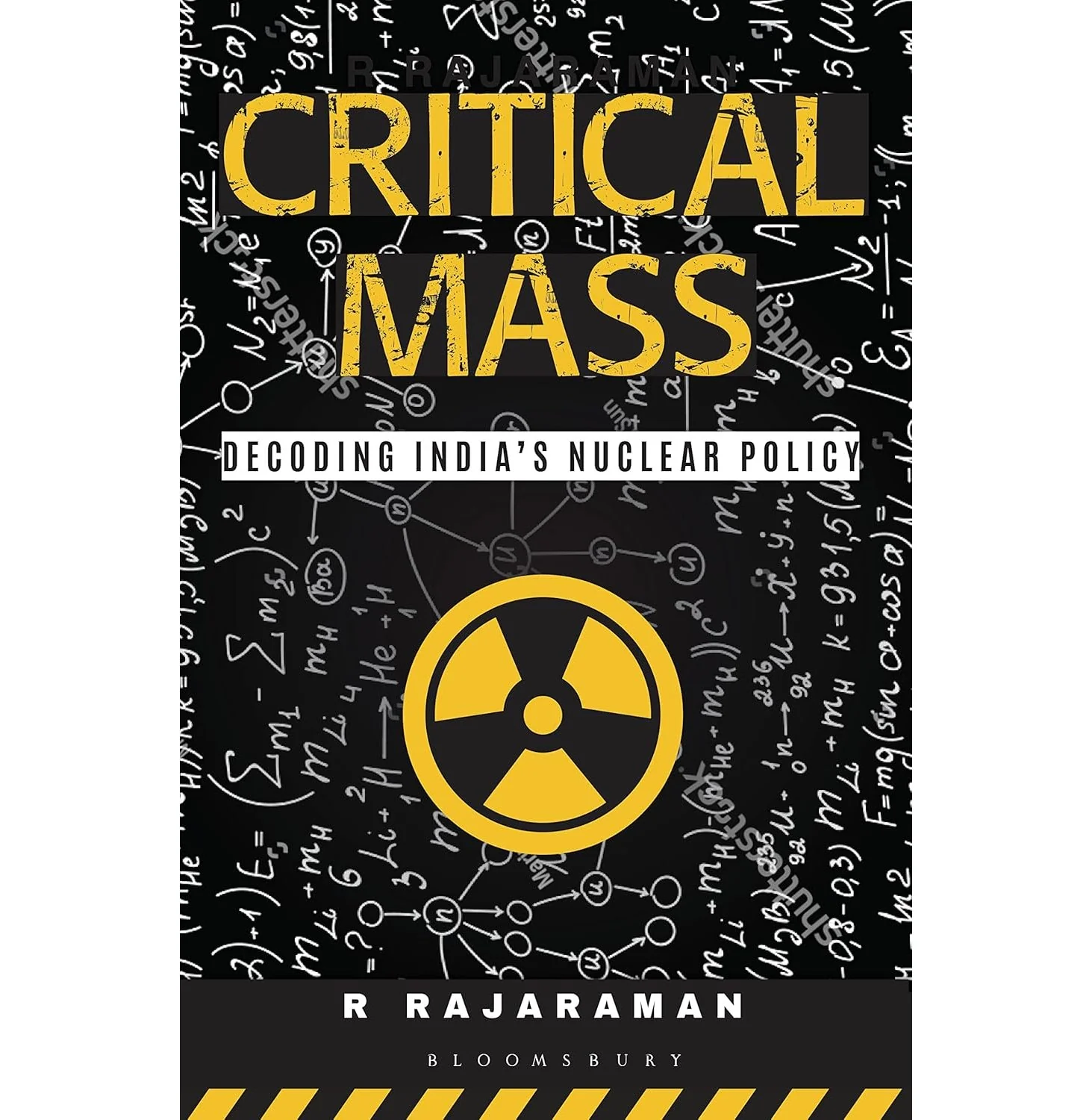
Critical Mass
Critical Mass
This non-fiction study offers a clear, accessible examination of India’s nuclear policy and its energy program. It centers on deterrence and the practical implications of No First Use and credible minimum deterrence, while exploring how civil energy ambitions intersect with security concerns. Designed for readers curious about international relations, security studies, or current affairs, it maintains a calm, informative tone that invites thoughtful evaluation rather than sensational conclusions.
Content is presented as policy analysis supported by photographs and anecdotes from field experiences. It threads together the civilian nuclear program with strategic deterrence, explaining components like No First Use and credible minimum deterrence and linking them to broader questions of energy policy and global security. Topics include the Indo-US nuclear deal, the Nuclear Liability Act, and international efforts to secure nuclear materials.
Readers move through the material with clear explanations, real-world examples, and accessible language that turn complex ideas into practical understanding. The narrative blends theory with case studies, helping readers see how doctrine translates into policy, diplomacy, and everyday implications for safety and energy planning. The inclusion of photographs and first-hand perspectives adds texture and keeps the discussion engaging.
- Key content elements: analysis of India's nuclear doctrine, civil-military policy, energy program, Indo-US nuclear deal, Nuclear Liability Act, nuclear security measures, FMCT negotiations, NTI Index, and major diplomatic milestones.
- Learning outcomes: grasp deterrence fundamentals, assess policy decisions, and think critically about energy security and international governance.
- Illustration and writing style: lucid, narrative-driven writing supported by photographs and personal anecdotes.
- Interactive or standout features: case studies and real-world examples that invite reflection and informed discussion.
After finishing, readers gain a nuanced understanding of India’s nuclear policy and energy choices, along with a framework for evaluating strategic questions in global security. It builds confidence to think critically about deterrence, diplomacy, and energy policy, leaving readers with a balanced perspective and curiosity to explore how policy shapes safety and energy for the future.
Original: $7.30
-70%$7.30
$2.19Product Information
Product Information
Shipping & Returns
Shipping & Returns
Description
This non-fiction study offers a clear, accessible examination of India’s nuclear policy and its energy program. It centers on deterrence and the practical implications of No First Use and credible minimum deterrence, while exploring how civil energy ambitions intersect with security concerns. Designed for readers curious about international relations, security studies, or current affairs, it maintains a calm, informative tone that invites thoughtful evaluation rather than sensational conclusions.
Content is presented as policy analysis supported by photographs and anecdotes from field experiences. It threads together the civilian nuclear program with strategic deterrence, explaining components like No First Use and credible minimum deterrence and linking them to broader questions of energy policy and global security. Topics include the Indo-US nuclear deal, the Nuclear Liability Act, and international efforts to secure nuclear materials.
Readers move through the material with clear explanations, real-world examples, and accessible language that turn complex ideas into practical understanding. The narrative blends theory with case studies, helping readers see how doctrine translates into policy, diplomacy, and everyday implications for safety and energy planning. The inclusion of photographs and first-hand perspectives adds texture and keeps the discussion engaging.
- Key content elements: analysis of India's nuclear doctrine, civil-military policy, energy program, Indo-US nuclear deal, Nuclear Liability Act, nuclear security measures, FMCT negotiations, NTI Index, and major diplomatic milestones.
- Learning outcomes: grasp deterrence fundamentals, assess policy decisions, and think critically about energy security and international governance.
- Illustration and writing style: lucid, narrative-driven writing supported by photographs and personal anecdotes.
- Interactive or standout features: case studies and real-world examples that invite reflection and informed discussion.
After finishing, readers gain a nuanced understanding of India’s nuclear policy and energy choices, along with a framework for evaluating strategic questions in global security. It builds confidence to think critically about deterrence, diplomacy, and energy policy, leaving readers with a balanced perspective and curiosity to explore how policy shapes safety and energy for the future.