Dear Rememberance
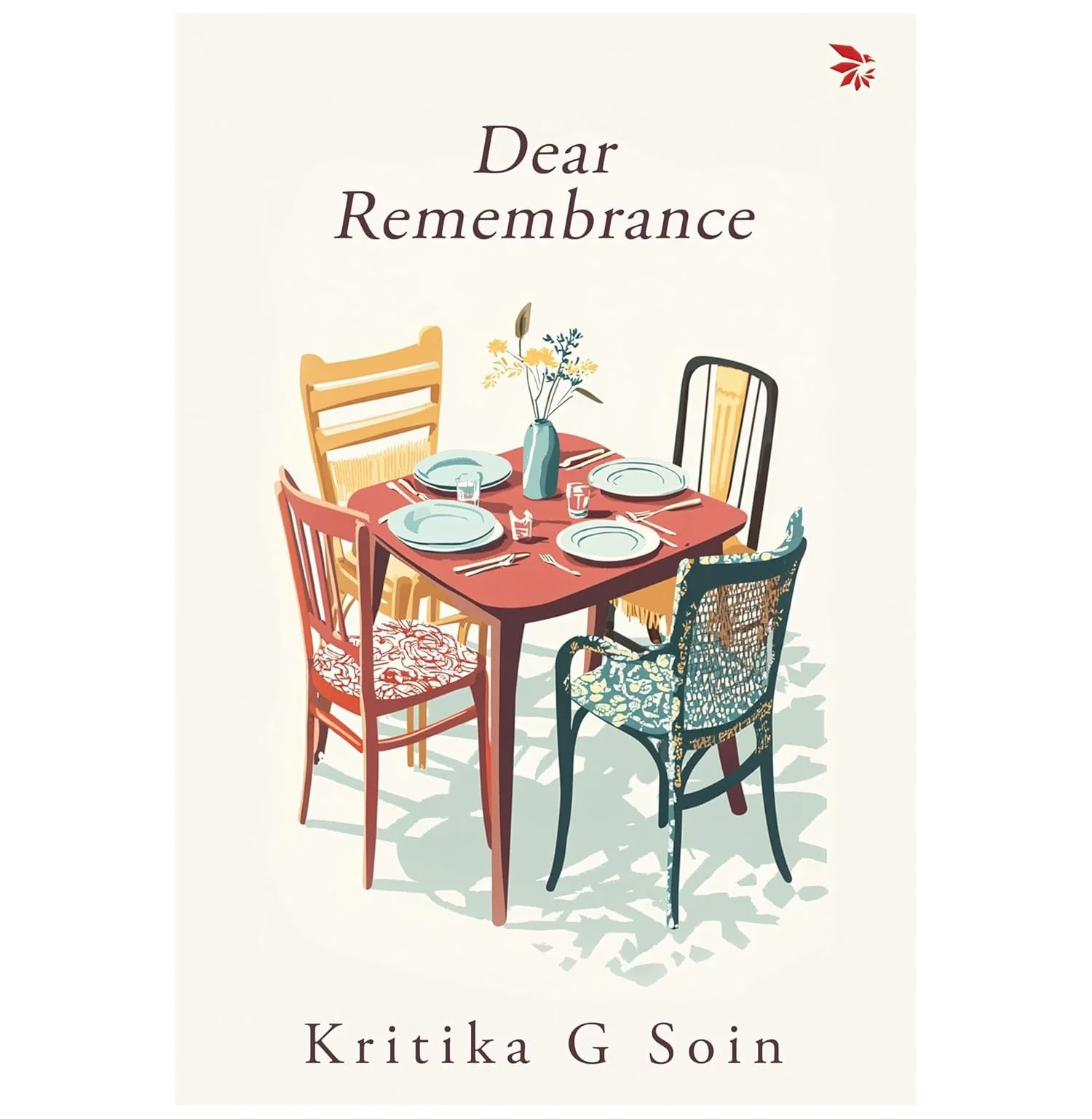
Dear Remembrance is a thoughtful exploration of South Asian feminist politics, weaving borderlands, internationalism, and theater history to show how space and time shape gender, violence, and love. Set against Bengal’s rich histories of cross-border ties and militant movements, this book speaks to scholars, students, activists, and readers eager to deepen their understanding of feminist history. The tone is inviting, educational, and quietly hopeful, inviting readers to rethink familiar narratives.
Written with an interdisciplinary lens, Dear Remembrance moves fluidly between archives, personal recollections, and critical analysis. Sinha Roy grounds abstract ideas in concrete histories, guiding you through concepts like spatialisation and the politics of memory while illuminating how places—borders, theaters, streets—become sites of resistance and care. The narrative is accessible and richly textured, blending theoretical insight with vivid cultural contexts to make learning feel like a journey rather than a lecture. For researchers, activists, and curious readers alike, Dear Remembrance offers a fresh framework for understanding how space and history shape gendered lives in South Asia.
- Key content elements: Borderlands, internationalism, theater history, Bengal’s socio‑political landscape, memory and spatialisation
- Standout features: Interdisciplinary approach, archival research, cross-border perspectives, culturally rich case studies
- Learning outcomes: Deepens understanding of gender, violence, love; connects space and activism; develops critical perspectives on history
- Writing style: Clear, engaging, rigorous yet accessible non‑fiction prose with narrative drive
After finishing DEAR REMEMBRANCE, readers gain a nuanced lens on how geography and history shape feminist action, with insights to bring to classrooms, discussions, and communities. It leaves you thinking differently about the spaces around you, offering lasting value for scholars, activists, and curious readers alike.
Product Information
Product Information
Shipping & Returns
Shipping & Returns
Dear Rememberance
Dear Rememberance
Dear Remembrance is a thoughtful exploration of South Asian feminist politics, weaving borderlands, internationalism, and theater history to show how space and time shape gender, violence, and love. Set against Bengal’s rich histories of cross-border ties and militant movements, this book speaks to scholars, students, activists, and readers eager to deepen their understanding of feminist history. The tone is inviting, educational, and quietly hopeful, inviting readers to rethink familiar narratives.
Written with an interdisciplinary lens, Dear Remembrance moves fluidly between archives, personal recollections, and critical analysis. Sinha Roy grounds abstract ideas in concrete histories, guiding you through concepts like spatialisation and the politics of memory while illuminating how places—borders, theaters, streets—become sites of resistance and care. The narrative is accessible and richly textured, blending theoretical insight with vivid cultural contexts to make learning feel like a journey rather than a lecture. For researchers, activists, and curious readers alike, Dear Remembrance offers a fresh framework for understanding how space and history shape gendered lives in South Asia.
- Key content elements: Borderlands, internationalism, theater history, Bengal’s socio‑political landscape, memory and spatialisation
- Standout features: Interdisciplinary approach, archival research, cross-border perspectives, culturally rich case studies
- Learning outcomes: Deepens understanding of gender, violence, love; connects space and activism; develops critical perspectives on history
- Writing style: Clear, engaging, rigorous yet accessible non‑fiction prose with narrative drive
After finishing DEAR REMEMBRANCE, readers gain a nuanced lens on how geography and history shape feminist action, with insights to bring to classrooms, discussions, and communities. It leaves you thinking differently about the spaces around you, offering lasting value for scholars, activists, and curious readers alike.
Product Information
Product Information
Shipping & Returns
Shipping & Returns
Description
Dear Remembrance is a thoughtful exploration of South Asian feminist politics, weaving borderlands, internationalism, and theater history to show how space and time shape gender, violence, and love. Set against Bengal’s rich histories of cross-border ties and militant movements, this book speaks to scholars, students, activists, and readers eager to deepen their understanding of feminist history. The tone is inviting, educational, and quietly hopeful, inviting readers to rethink familiar narratives.
Written with an interdisciplinary lens, Dear Remembrance moves fluidly between archives, personal recollections, and critical analysis. Sinha Roy grounds abstract ideas in concrete histories, guiding you through concepts like spatialisation and the politics of memory while illuminating how places—borders, theaters, streets—become sites of resistance and care. The narrative is accessible and richly textured, blending theoretical insight with vivid cultural contexts to make learning feel like a journey rather than a lecture. For researchers, activists, and curious readers alike, Dear Remembrance offers a fresh framework for understanding how space and history shape gendered lives in South Asia.
- Key content elements: Borderlands, internationalism, theater history, Bengal’s socio‑political landscape, memory and spatialisation
- Standout features: Interdisciplinary approach, archival research, cross-border perspectives, culturally rich case studies
- Learning outcomes: Deepens understanding of gender, violence, love; connects space and activism; develops critical perspectives on history
- Writing style: Clear, engaging, rigorous yet accessible non‑fiction prose with narrative drive
After finishing DEAR REMEMBRANCE, readers gain a nuanced lens on how geography and history shape feminist action, with insights to bring to classrooms, discussions, and communities. It leaves you thinking differently about the spaces around you, offering lasting value for scholars, activists, and curious readers alike.