Delhi Under The Hammer: The Crisis Of Sealing And Demolition
Delhi Under The Hammer: The Crisis Of Sealing And Demolition invites readers into the heart of India's capital, blending city history, investigative journalism, and social insight. This non-fiction work from journalist Adrija Roychowdhury examines how naming, sealing, and demolition shape Delhi's identity, guiding a reader from the bustle of Chandni Chowk to the quiet corners of CR Park. Written for adults and curious readers of urban affairs, politics, and South Asian city life, the tone is thoughtful, urgent, and hopeful as it reveals the emotional weight behind every neighborhood designation.
Structured as on-the-ground reporting and historical reflection, the book threads archival material, interviews, and vivid field scenes into a cohesive narrative. The experience is immersive: you wander through markets, wards, and symbolic spaces while the author clarifies complex ideas with clarity and warmth.
Roychowdhury tackles key themes—British influences on Delhi's trajectory, the links between Saket and Ayodhya, the symbolism of Shaheen Bagh, and the broader politics of space and power—without sacrificing accessibility. If you love a book that reads like a well-paced journey, Delhi Under The Hammer offers memorable characters, tangible places, and a nuanced view of how words and walls shape a city’s soul.
- Key content elements: explores how Delhi's neighborhood names, sealing, and demolition reveal social and political dynamics
- Interactive or standout features: on-the-ground reporting across diverse neighborhoods with voices from residents
- Learning outcomes or experiences: provides a nuanced understanding of urban governance, memory, and community resilience
- Writing or illustration style: clear, engaging narration that blends rigorous journalism with empathetic storytelling
By the end of Delhi Under The Hammer, you’ll carry a sharper appreciation for how places borrow names, and how communities endure change with dignity. This book leaves you with questions, empathy, and a renewed curiosity about Delhi and the larger story of cities everywhere.
Product Information
Product Information
Shipping & Returns
Shipping & Returns
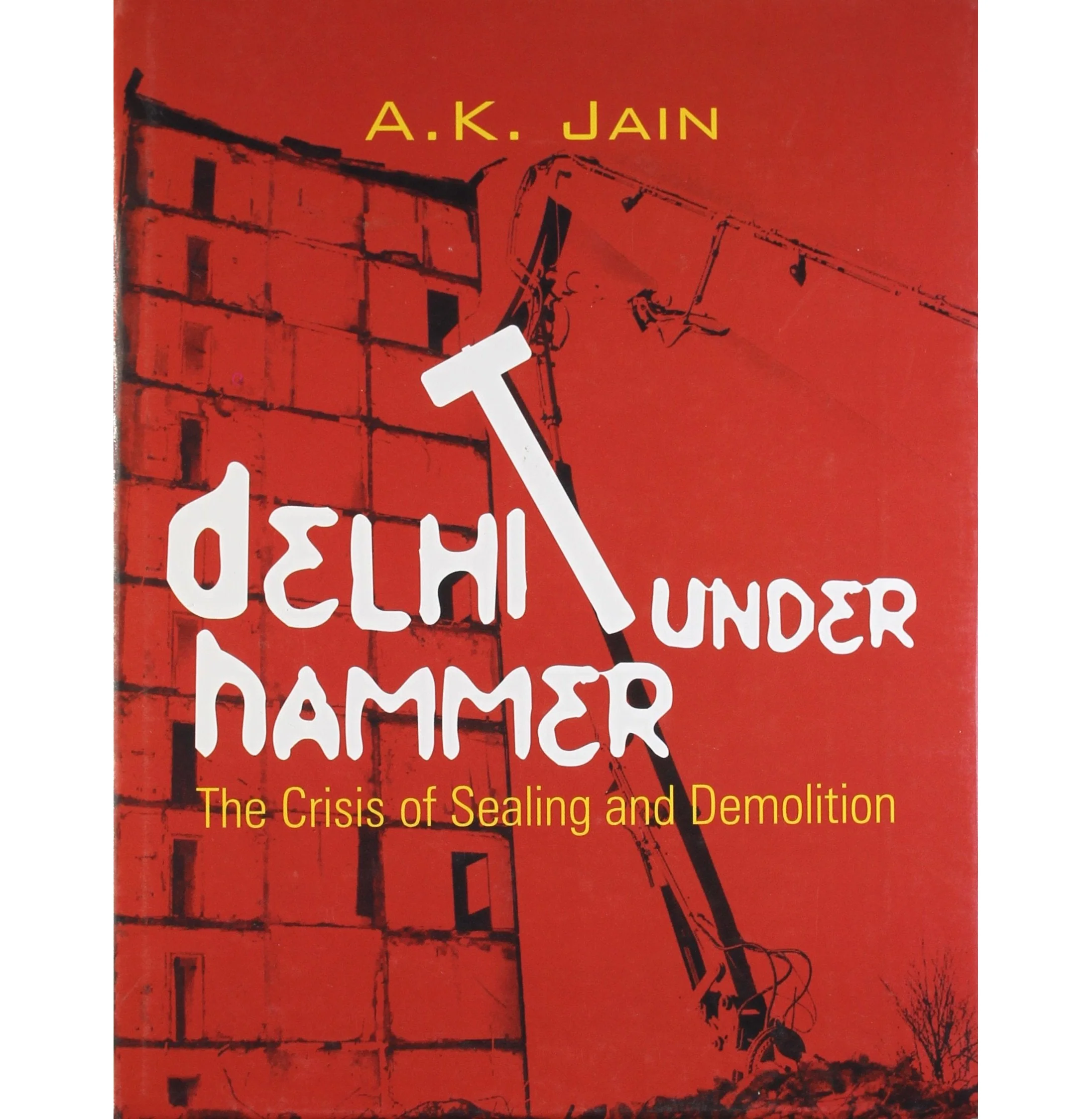
Delhi Under The Hammer: The Crisis Of Sealing And Demolition
Delhi Under The Hammer: The Crisis Of Sealing And Demolition
Delhi Under The Hammer: The Crisis Of Sealing And Demolition invites readers into the heart of India's capital, blending city history, investigative journalism, and social insight. This non-fiction work from journalist Adrija Roychowdhury examines how naming, sealing, and demolition shape Delhi's identity, guiding a reader from the bustle of Chandni Chowk to the quiet corners of CR Park. Written for adults and curious readers of urban affairs, politics, and South Asian city life, the tone is thoughtful, urgent, and hopeful as it reveals the emotional weight behind every neighborhood designation.
Structured as on-the-ground reporting and historical reflection, the book threads archival material, interviews, and vivid field scenes into a cohesive narrative. The experience is immersive: you wander through markets, wards, and symbolic spaces while the author clarifies complex ideas with clarity and warmth.
Roychowdhury tackles key themes—British influences on Delhi's trajectory, the links between Saket and Ayodhya, the symbolism of Shaheen Bagh, and the broader politics of space and power—without sacrificing accessibility. If you love a book that reads like a well-paced journey, Delhi Under The Hammer offers memorable characters, tangible places, and a nuanced view of how words and walls shape a city’s soul.
- Key content elements: explores how Delhi's neighborhood names, sealing, and demolition reveal social and political dynamics
- Interactive or standout features: on-the-ground reporting across diverse neighborhoods with voices from residents
- Learning outcomes or experiences: provides a nuanced understanding of urban governance, memory, and community resilience
- Writing or illustration style: clear, engaging narration that blends rigorous journalism with empathetic storytelling
By the end of Delhi Under The Hammer, you’ll carry a sharper appreciation for how places borrow names, and how communities endure change with dignity. This book leaves you with questions, empathy, and a renewed curiosity about Delhi and the larger story of cities everywhere.
Product Information
Product Information
Shipping & Returns
Shipping & Returns
Description
Delhi Under The Hammer: The Crisis Of Sealing And Demolition invites readers into the heart of India's capital, blending city history, investigative journalism, and social insight. This non-fiction work from journalist Adrija Roychowdhury examines how naming, sealing, and demolition shape Delhi's identity, guiding a reader from the bustle of Chandni Chowk to the quiet corners of CR Park. Written for adults and curious readers of urban affairs, politics, and South Asian city life, the tone is thoughtful, urgent, and hopeful as it reveals the emotional weight behind every neighborhood designation.
Structured as on-the-ground reporting and historical reflection, the book threads archival material, interviews, and vivid field scenes into a cohesive narrative. The experience is immersive: you wander through markets, wards, and symbolic spaces while the author clarifies complex ideas with clarity and warmth.
Roychowdhury tackles key themes—British influences on Delhi's trajectory, the links between Saket and Ayodhya, the symbolism of Shaheen Bagh, and the broader politics of space and power—without sacrificing accessibility. If you love a book that reads like a well-paced journey, Delhi Under The Hammer offers memorable characters, tangible places, and a nuanced view of how words and walls shape a city’s soul.
- Key content elements: explores how Delhi's neighborhood names, sealing, and demolition reveal social and political dynamics
- Interactive or standout features: on-the-ground reporting across diverse neighborhoods with voices from residents
- Learning outcomes or experiences: provides a nuanced understanding of urban governance, memory, and community resilience
- Writing or illustration style: clear, engaging narration that blends rigorous journalism with empathetic storytelling
By the end of Delhi Under The Hammer, you’ll carry a sharper appreciation for how places borrow names, and how communities endure change with dignity. This book leaves you with questions, empathy, and a renewed curiosity about Delhi and the larger story of cities everywhere.