Faithful Fighters
This scholarly historical non-fiction explores how the British Indian Army recruited a diverse range of soldiers under a controversial framework, and how attempts to manage loyalty through religion and culture shaped communities. The central theme is the paradox of inclusivity that reinforced difference, and the intended reader includes students of empire, South Asian history, and postcolonial studies, along with general readers seeking a thoughtful, eye-opening look at military policy and social change. The tone is insightful, precise, and inviting, encouraging readers to rethink how identity and allegiance were constructed in a colonial context.
Presented through archival research, policy analysis, and firsthand voices, the book weaves together case studies from Punjabi Sikhs, Hindu Rajputs, Muslims from Northwestern India and Afghanistan, and Gurkhas from Nepal. It shows how practices such as allowing Ramadan fasts, mandating purification ceremonies for Nepali Hindus, and permitting religious swords were incorporated into military life—and what those accommodations meant for everyday soldiers and their communities. The narrative blends individual experiences with broader political currents to illuminate the lived complexity behind imperial strategy.
It reveals how these policies fostered dialogue between soldiers and civilians while simultaneously hardening lines between groups. As World War II reshaped expectations of loyalty, the book argues that the army’s management of racial and religious difference helped produce lasting legacies for the partition and the violence of the postcolonial world. The argument is rooted in careful evidence and open, compelling storytelling that connects policy to people and to lasting historical consequences.
- Key content elements: analysis of the martial races framework, religious and cultural accommodations in military life, and the interaction between soldiers and civilian communities
- Learning outcomes: understanding how empire-building policies influence social identity, loyalty, and conflict across generations
- Illustration or writing style: evidence-driven narrative with accessible, critical prose that links archival records to human experience
- Interactivity and standout features: integrated historical context, cross-community perspectives, and a clear through-line from early 20th-century policy to partition outcomes
Readers emerge with a nuanced view of empire, loyalty, and memory, gaining tools to analyze how state policy can reshape social life and ignite long-term consequences. The work fosters critical thinking about history, invites reflection on intercommunal dialogue, and leaves a lasting impression of the human dimension behind big historical narratives.
Product Information
Product Information
Shipping & Returns
Shipping & Returns
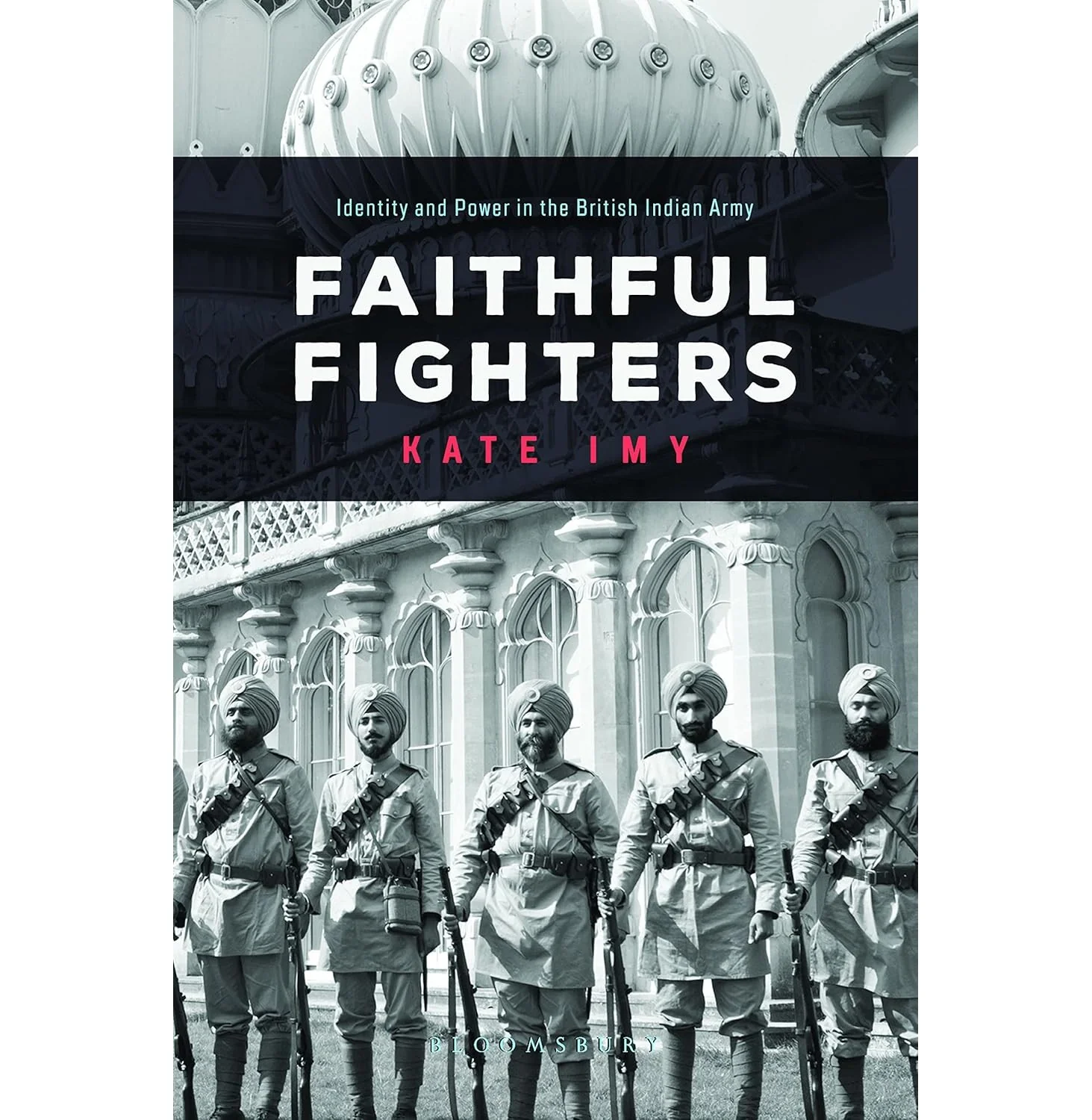
Faithful Fighters
Faithful Fighters
This scholarly historical non-fiction explores how the British Indian Army recruited a diverse range of soldiers under a controversial framework, and how attempts to manage loyalty through religion and culture shaped communities. The central theme is the paradox of inclusivity that reinforced difference, and the intended reader includes students of empire, South Asian history, and postcolonial studies, along with general readers seeking a thoughtful, eye-opening look at military policy and social change. The tone is insightful, precise, and inviting, encouraging readers to rethink how identity and allegiance were constructed in a colonial context.
Presented through archival research, policy analysis, and firsthand voices, the book weaves together case studies from Punjabi Sikhs, Hindu Rajputs, Muslims from Northwestern India and Afghanistan, and Gurkhas from Nepal. It shows how practices such as allowing Ramadan fasts, mandating purification ceremonies for Nepali Hindus, and permitting religious swords were incorporated into military life—and what those accommodations meant for everyday soldiers and their communities. The narrative blends individual experiences with broader political currents to illuminate the lived complexity behind imperial strategy.
It reveals how these policies fostered dialogue between soldiers and civilians while simultaneously hardening lines between groups. As World War II reshaped expectations of loyalty, the book argues that the army’s management of racial and religious difference helped produce lasting legacies for the partition and the violence of the postcolonial world. The argument is rooted in careful evidence and open, compelling storytelling that connects policy to people and to lasting historical consequences.
- Key content elements: analysis of the martial races framework, religious and cultural accommodations in military life, and the interaction between soldiers and civilian communities
- Learning outcomes: understanding how empire-building policies influence social identity, loyalty, and conflict across generations
- Illustration or writing style: evidence-driven narrative with accessible, critical prose that links archival records to human experience
- Interactivity and standout features: integrated historical context, cross-community perspectives, and a clear through-line from early 20th-century policy to partition outcomes
Readers emerge with a nuanced view of empire, loyalty, and memory, gaining tools to analyze how state policy can reshape social life and ignite long-term consequences. The work fosters critical thinking about history, invites reflection on intercommunal dialogue, and leaves a lasting impression of the human dimension behind big historical narratives.
Original: $6.38
-70%$6.38
$1.91Product Information
Product Information
Shipping & Returns
Shipping & Returns
Description
This scholarly historical non-fiction explores how the British Indian Army recruited a diverse range of soldiers under a controversial framework, and how attempts to manage loyalty through religion and culture shaped communities. The central theme is the paradox of inclusivity that reinforced difference, and the intended reader includes students of empire, South Asian history, and postcolonial studies, along with general readers seeking a thoughtful, eye-opening look at military policy and social change. The tone is insightful, precise, and inviting, encouraging readers to rethink how identity and allegiance were constructed in a colonial context.
Presented through archival research, policy analysis, and firsthand voices, the book weaves together case studies from Punjabi Sikhs, Hindu Rajputs, Muslims from Northwestern India and Afghanistan, and Gurkhas from Nepal. It shows how practices such as allowing Ramadan fasts, mandating purification ceremonies for Nepali Hindus, and permitting religious swords were incorporated into military life—and what those accommodations meant for everyday soldiers and their communities. The narrative blends individual experiences with broader political currents to illuminate the lived complexity behind imperial strategy.
It reveals how these policies fostered dialogue between soldiers and civilians while simultaneously hardening lines between groups. As World War II reshaped expectations of loyalty, the book argues that the army’s management of racial and religious difference helped produce lasting legacies for the partition and the violence of the postcolonial world. The argument is rooted in careful evidence and open, compelling storytelling that connects policy to people and to lasting historical consequences.
- Key content elements: analysis of the martial races framework, religious and cultural accommodations in military life, and the interaction between soldiers and civilian communities
- Learning outcomes: understanding how empire-building policies influence social identity, loyalty, and conflict across generations
- Illustration or writing style: evidence-driven narrative with accessible, critical prose that links archival records to human experience
- Interactivity and standout features: integrated historical context, cross-community perspectives, and a clear through-line from early 20th-century policy to partition outcomes
Readers emerge with a nuanced view of empire, loyalty, and memory, gaining tools to analyze how state policy can reshape social life and ignite long-term consequences. The work fosters critical thinking about history, invites reflection on intercommunal dialogue, and leaves a lasting impression of the human dimension behind big historical narratives.