Feeding The Machine: The Hidden Human Labour Powering Ai
Feeding The Machine: The Hidden Human Labour Powering Ai pulls back the curtain on artificial intelligence, offering a powerful look at the people and processes that make AI possible. This investigative nonfiction reveals the realities of global labor practices behind tech, from data labeling to testing and content moderation, speaking to readers who want a clearer picture of how modern conveniences are built. Designed for curious adults and readers who care about tech ethics, the book balances rigorous reporting with human stories to create a thoughtful, sobering yet hopeful reading experience.
Born from a decade of research, hundreds of interviews, and extensive fieldwork, Feeding The Machine delves into the networks of organizations that sustain an exploitative system. The book centers the lives of workers who are often invisible, offering case studies and firsthand accounts that illuminate the real-world impact of AI production. The writing weaves these narratives with clear context on how power dynamics shape opportunities, wages, and working conditions—without sugarcoating the stakes.
Structured to inform and engage, the book uses a narrative arc that makes complex topics accessible. Readers will see how the content is presented—through compelling storytelling, disciplined reporting, and thoughtfully chosen vignettes that bring data to life. For non-fiction readers, key concepts like global labor practices, the hidden costs of AI, and the ethical questions raised by technology are explored with care, while for curious minds, the human dimension adds a compelling, relatable thread to every chapter.
- Key content elements: global labor practices in tech, the hidden costs of AI, and the stories of workers often kept out of sight
- Interactive or standout features: in-depth interviews, case studies, and fieldwork insights that humanize complex topics
- Learning outcomes or experiences: helps readers understand the ethics of technological advancement and what it takes to push for accountable AI
- Writing or illustration style: investigative, narrative nonfiction grounded in rigor and empathy
By the end, readers gain a clearer lens on AI’s origins, a sense of empathy for workers, and motivation to advocate for fair practices in technology. Feeding The Machine invites ongoing reflection on how we use and rely on digital tools, offering lasting value in a more informed, thoughtful approach to technology and ethics.
Product Information
Product Information
Shipping & Returns
Shipping & Returns
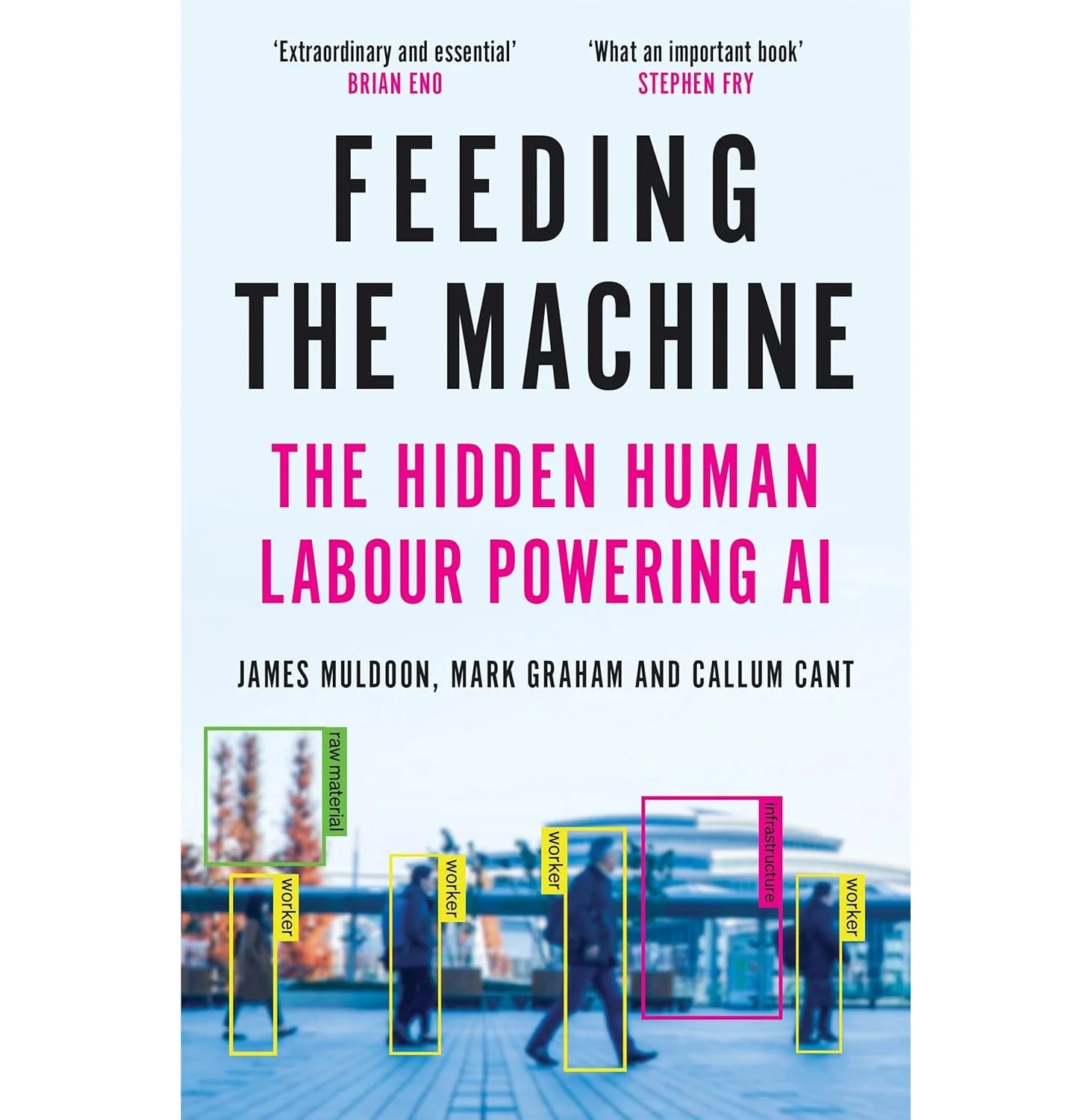
Feeding The Machine: The Hidden Human Labour Powering Ai
Feeding The Machine: The Hidden Human Labour Powering Ai
Feeding The Machine: The Hidden Human Labour Powering Ai pulls back the curtain on artificial intelligence, offering a powerful look at the people and processes that make AI possible. This investigative nonfiction reveals the realities of global labor practices behind tech, from data labeling to testing and content moderation, speaking to readers who want a clearer picture of how modern conveniences are built. Designed for curious adults and readers who care about tech ethics, the book balances rigorous reporting with human stories to create a thoughtful, sobering yet hopeful reading experience.
Born from a decade of research, hundreds of interviews, and extensive fieldwork, Feeding The Machine delves into the networks of organizations that sustain an exploitative system. The book centers the lives of workers who are often invisible, offering case studies and firsthand accounts that illuminate the real-world impact of AI production. The writing weaves these narratives with clear context on how power dynamics shape opportunities, wages, and working conditions—without sugarcoating the stakes.
Structured to inform and engage, the book uses a narrative arc that makes complex topics accessible. Readers will see how the content is presented—through compelling storytelling, disciplined reporting, and thoughtfully chosen vignettes that bring data to life. For non-fiction readers, key concepts like global labor practices, the hidden costs of AI, and the ethical questions raised by technology are explored with care, while for curious minds, the human dimension adds a compelling, relatable thread to every chapter.
- Key content elements: global labor practices in tech, the hidden costs of AI, and the stories of workers often kept out of sight
- Interactive or standout features: in-depth interviews, case studies, and fieldwork insights that humanize complex topics
- Learning outcomes or experiences: helps readers understand the ethics of technological advancement and what it takes to push for accountable AI
- Writing or illustration style: investigative, narrative nonfiction grounded in rigor and empathy
By the end, readers gain a clearer lens on AI’s origins, a sense of empathy for workers, and motivation to advocate for fair practices in technology. Feeding The Machine invites ongoing reflection on how we use and rely on digital tools, offering lasting value in a more informed, thoughtful approach to technology and ethics.
Product Information
Product Information
Shipping & Returns
Shipping & Returns
Description
Feeding The Machine: The Hidden Human Labour Powering Ai pulls back the curtain on artificial intelligence, offering a powerful look at the people and processes that make AI possible. This investigative nonfiction reveals the realities of global labor practices behind tech, from data labeling to testing and content moderation, speaking to readers who want a clearer picture of how modern conveniences are built. Designed for curious adults and readers who care about tech ethics, the book balances rigorous reporting with human stories to create a thoughtful, sobering yet hopeful reading experience.
Born from a decade of research, hundreds of interviews, and extensive fieldwork, Feeding The Machine delves into the networks of organizations that sustain an exploitative system. The book centers the lives of workers who are often invisible, offering case studies and firsthand accounts that illuminate the real-world impact of AI production. The writing weaves these narratives with clear context on how power dynamics shape opportunities, wages, and working conditions—without sugarcoating the stakes.
Structured to inform and engage, the book uses a narrative arc that makes complex topics accessible. Readers will see how the content is presented—through compelling storytelling, disciplined reporting, and thoughtfully chosen vignettes that bring data to life. For non-fiction readers, key concepts like global labor practices, the hidden costs of AI, and the ethical questions raised by technology are explored with care, while for curious minds, the human dimension adds a compelling, relatable thread to every chapter.
- Key content elements: global labor practices in tech, the hidden costs of AI, and the stories of workers often kept out of sight
- Interactive or standout features: in-depth interviews, case studies, and fieldwork insights that humanize complex topics
- Learning outcomes or experiences: helps readers understand the ethics of technological advancement and what it takes to push for accountable AI
- Writing or illustration style: investigative, narrative nonfiction grounded in rigor and empathy
By the end, readers gain a clearer lens on AI’s origins, a sense of empathy for workers, and motivation to advocate for fair practices in technology. Feeding The Machine invites ongoing reflection on how we use and rely on digital tools, offering lasting value in a more informed, thoughtful approach to technology and ethics.