Gandhi: And The End Of Nonviolence
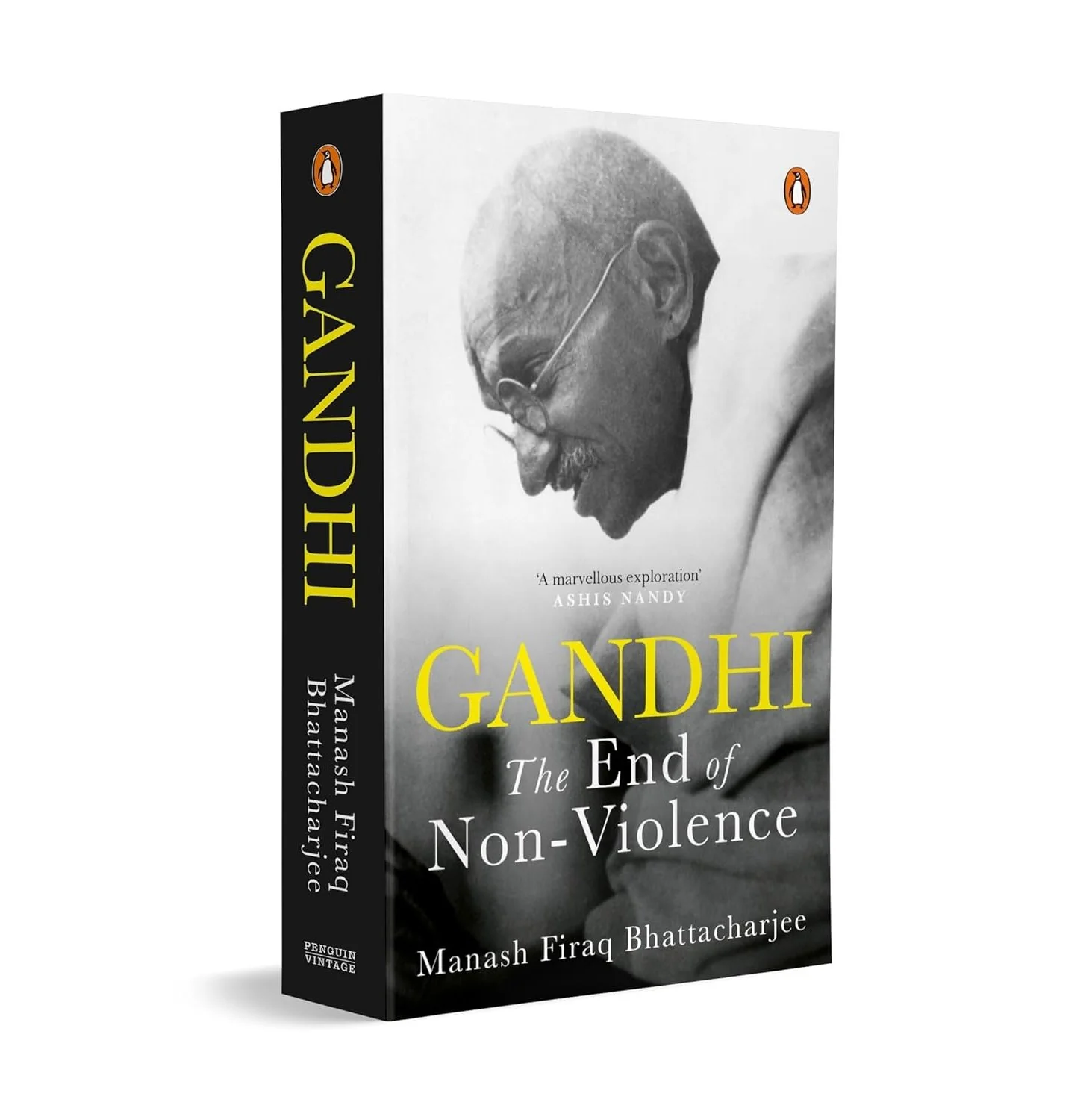
Gandhi: And The End Of Nonviolence offers a thoughtful look at one of history's most influential figures through the lens of his controversial later years. This non-fiction exploration examines Gandhi's philosophy under the pressures of Partition, asking how nonviolence was tested when communities faced upheaval. Written for curious readers of history, politics, and ethics—from students to general readers—this book invites anyone who wants to understand the complexities of leadership, peaceful resistance, and the human cost of political change. The tone is reflective, insightful, and ultimately hopeful as it invites dialogue about the enduring relevance of Gandhi's ideas.
In a narrative that reads like a careful conversation with history, Gandhi: And The End Of Nonviolence places Gandhi at the center of pivotal moments—from the Khilafat Movement to the chaos of Partition—and introduces a compelling circle of interlocutors, including Maulana Mohamad Ali, Muhammad Iqbal, the Arya Samajists, B.R. Ambedkar, Swami Vivekananda, Sri Aurobindo, and Vinayak Damodar Savarkar. The book examines how communal politics can spiral toward violence and what those pressures reveal about leadership and conscience.
Witness accounts from Pyarelal, Nirmal Kumar Bose, and Manu Gandhi illuminate Gandhi's peace mission, tracing his steps through Noakhali, Bihar, Calcutta, and Delhi as he sought to mend the wounds of division. With poetic expression, rigorous research, and robust argumentation, the work offers a humanistic lens on history—encouraging readers to reflect on ethics, resilience, and the enduring challenge of transforming nonviolence into lasting political practice.
- Key content elements: Gandhi's evolving philosophy, Partition-era pressures, and pivotal historical moments.
- Standout features: witness accounts and archival context that bring history to life.
- Learning outcomes: a nuanced understanding of nonviolence, leadership, and ethical decision-making.
- Writing style: poetic, rigorous, and accessible prose that invites reflection.
Readers finish Gandhi: And The End Of Nonviolence with a refined understanding of how peaceful principles can shape history and personal perspective. The book invites them to think critically about power, conflict, and resilience, leaving a sense of hope and renewed commitment to ethical living in a complex world.
Product Information
Product Information
Shipping & Returns
Shipping & Returns
Gandhi: And The End Of Nonviolence
Gandhi: And The End Of Nonviolence
Gandhi: And The End Of Nonviolence offers a thoughtful look at one of history's most influential figures through the lens of his controversial later years. This non-fiction exploration examines Gandhi's philosophy under the pressures of Partition, asking how nonviolence was tested when communities faced upheaval. Written for curious readers of history, politics, and ethics—from students to general readers—this book invites anyone who wants to understand the complexities of leadership, peaceful resistance, and the human cost of political change. The tone is reflective, insightful, and ultimately hopeful as it invites dialogue about the enduring relevance of Gandhi's ideas.
In a narrative that reads like a careful conversation with history, Gandhi: And The End Of Nonviolence places Gandhi at the center of pivotal moments—from the Khilafat Movement to the chaos of Partition—and introduces a compelling circle of interlocutors, including Maulana Mohamad Ali, Muhammad Iqbal, the Arya Samajists, B.R. Ambedkar, Swami Vivekananda, Sri Aurobindo, and Vinayak Damodar Savarkar. The book examines how communal politics can spiral toward violence and what those pressures reveal about leadership and conscience.
Witness accounts from Pyarelal, Nirmal Kumar Bose, and Manu Gandhi illuminate Gandhi's peace mission, tracing his steps through Noakhali, Bihar, Calcutta, and Delhi as he sought to mend the wounds of division. With poetic expression, rigorous research, and robust argumentation, the work offers a humanistic lens on history—encouraging readers to reflect on ethics, resilience, and the enduring challenge of transforming nonviolence into lasting political practice.
- Key content elements: Gandhi's evolving philosophy, Partition-era pressures, and pivotal historical moments.
- Standout features: witness accounts and archival context that bring history to life.
- Learning outcomes: a nuanced understanding of nonviolence, leadership, and ethical decision-making.
- Writing style: poetic, rigorous, and accessible prose that invites reflection.
Readers finish Gandhi: And The End Of Nonviolence with a refined understanding of how peaceful principles can shape history and personal perspective. The book invites them to think critically about power, conflict, and resilience, leaving a sense of hope and renewed commitment to ethical living in a complex world.
Product Information
Product Information
Shipping & Returns
Shipping & Returns
Description
Gandhi: And The End Of Nonviolence offers a thoughtful look at one of history's most influential figures through the lens of his controversial later years. This non-fiction exploration examines Gandhi's philosophy under the pressures of Partition, asking how nonviolence was tested when communities faced upheaval. Written for curious readers of history, politics, and ethics—from students to general readers—this book invites anyone who wants to understand the complexities of leadership, peaceful resistance, and the human cost of political change. The tone is reflective, insightful, and ultimately hopeful as it invites dialogue about the enduring relevance of Gandhi's ideas.
In a narrative that reads like a careful conversation with history, Gandhi: And The End Of Nonviolence places Gandhi at the center of pivotal moments—from the Khilafat Movement to the chaos of Partition—and introduces a compelling circle of interlocutors, including Maulana Mohamad Ali, Muhammad Iqbal, the Arya Samajists, B.R. Ambedkar, Swami Vivekananda, Sri Aurobindo, and Vinayak Damodar Savarkar. The book examines how communal politics can spiral toward violence and what those pressures reveal about leadership and conscience.
Witness accounts from Pyarelal, Nirmal Kumar Bose, and Manu Gandhi illuminate Gandhi's peace mission, tracing his steps through Noakhali, Bihar, Calcutta, and Delhi as he sought to mend the wounds of division. With poetic expression, rigorous research, and robust argumentation, the work offers a humanistic lens on history—encouraging readers to reflect on ethics, resilience, and the enduring challenge of transforming nonviolence into lasting political practice.
- Key content elements: Gandhi's evolving philosophy, Partition-era pressures, and pivotal historical moments.
- Standout features: witness accounts and archival context that bring history to life.
- Learning outcomes: a nuanced understanding of nonviolence, leadership, and ethical decision-making.
- Writing style: poetic, rigorous, and accessible prose that invites reflection.
Readers finish Gandhi: And The End Of Nonviolence with a refined understanding of how peaceful principles can shape history and personal perspective. The book invites them to think critically about power, conflict, and resilience, leaving a sense of hope and renewed commitment to ethical living in a complex world.