Gandhi'S Assassin: The Making Of Nathuram Godse And His Idea Of India
Gandhi'S Assassin: The Making Of Nathuram Godse And His Idea Of India is a piercing, meticulously researched examination of the man who assassinated Mahatma Gandhi and the ideas that shaped his actions. Dhirendra K. Jha, a Delhi-based journalist, guides readers through archival material, interviews, and careful analysis to illuminate the birth of Hindutva-era thought. This book sits at the intersection of biography and political history, written for readers curious about modern India, students of politics, and anyone seeking a clearer view of the forces that shaped the post‑colonial era. The tone is thoughtful and sober, aiming to educate without sensationalism and to inspire a nuanced conversation about history and its present-day echoes.
Gandhi'S Assassin unfolds with a calm resourcefulness, tracing Nathuram Godse's journey from small-town beginnings to the edge of a pivotal act. Drawing on previously unpublished archival material, Jha challenges the sanitization of Gandhi's assassination and reveals how a network of ideologues helped shape Godse's worldview. The book situates his trajectory within the broader world of Hindutva—the RSS, Hindu Mahasabha, and related groups—showing how politics, religion, and personal grievance converged in the making of an extremist narrative. Structured as a thoughtful blend of biography and political history, the narrative moves from intimate detail to the wider currents that defined India in the 1940s, then traces the long shadow of that moment into the present.
Whether you study history, follow current affairs, or simply love a well-wrought narrative, Gandhi'S Assassin offers a gripping, accessible reading experience. It pairs clear explanations of key concepts with a rigorous, evidence-based approach, presenting complex ideas without jargon and inviting readers to think critically about violence, ideology, and nation-building. The book reads like a documentary told through a compelling, character-driven lens, balancing personal biography with the politics of a fermenting era while never sensationalizing its subject.
- Key content elements: Nathuram Godse’s life, evolving ideology, and the origins of Hindutva networks
- Standout features: Unpublished archival material, rigorous sourcing, and a careful, balanced narrative
- Learning outcomes: Insight into how political extremism forms and its impact on India’s birth and present
- Writing style: Calm, documentary, and accessible prose that reads like a thoughtful biography
By the end of Gandhi'S Assassin, readers gain a deeper understanding of how Nathuram Godse and his allies reshaped ideas of India, power, and belonging. The book challenges readers to confront uncomfortable truths about fanaticism and the uses—and abuses—of political faith. It leaves you with a clearer picture of India's fragile beginnings and a lasting call to engage thoughtfully with history to better understand the present.
Product Information
Product Information
Shipping & Returns
Shipping & Returns
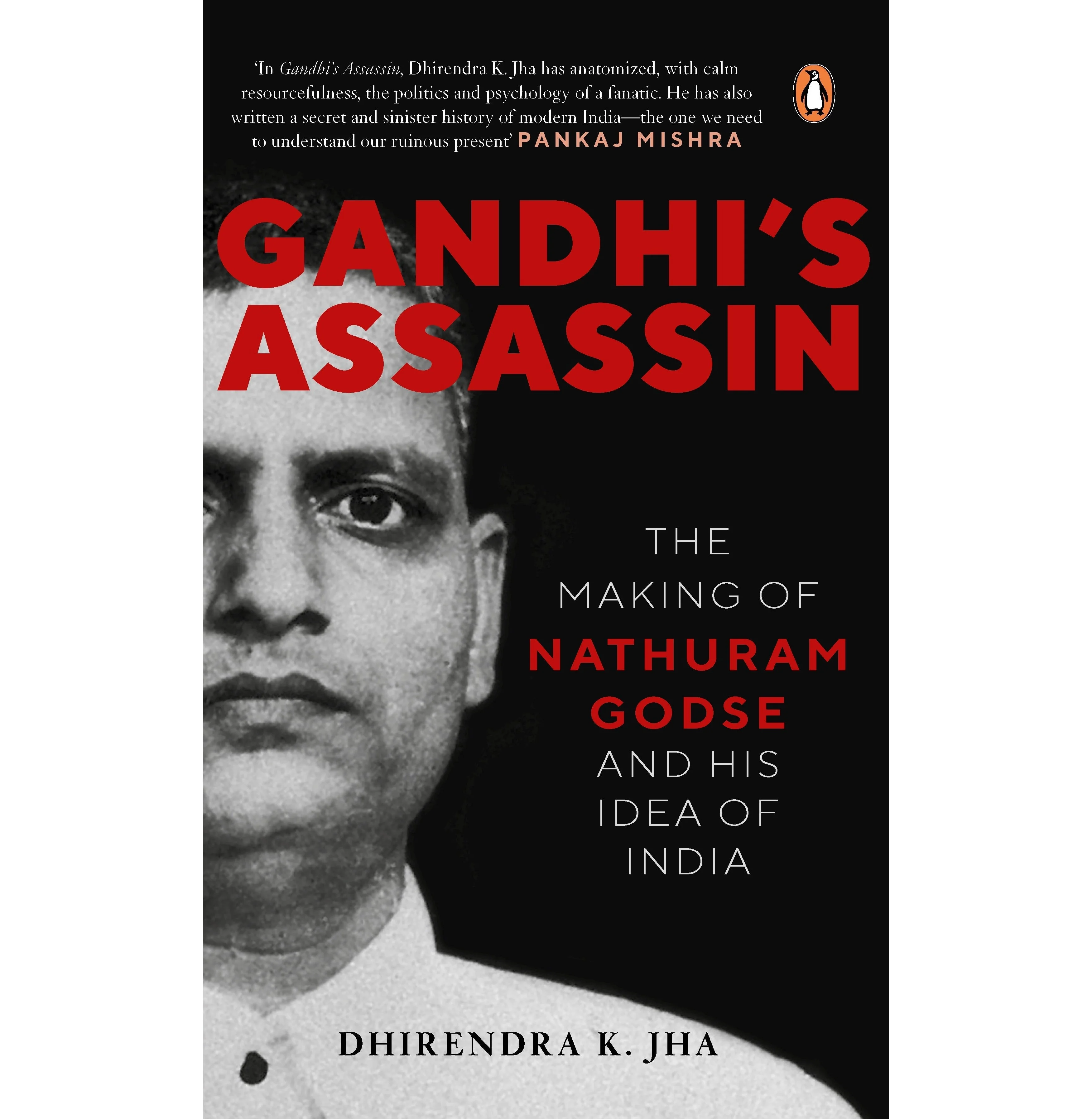
Gandhi'S Assassin: The Making Of Nathuram Godse And His Idea Of India
Gandhi'S Assassin: The Making Of Nathuram Godse And His Idea Of India
Gandhi'S Assassin: The Making Of Nathuram Godse And His Idea Of India is a piercing, meticulously researched examination of the man who assassinated Mahatma Gandhi and the ideas that shaped his actions. Dhirendra K. Jha, a Delhi-based journalist, guides readers through archival material, interviews, and careful analysis to illuminate the birth of Hindutva-era thought. This book sits at the intersection of biography and political history, written for readers curious about modern India, students of politics, and anyone seeking a clearer view of the forces that shaped the post‑colonial era. The tone is thoughtful and sober, aiming to educate without sensationalism and to inspire a nuanced conversation about history and its present-day echoes.
Gandhi'S Assassin unfolds with a calm resourcefulness, tracing Nathuram Godse's journey from small-town beginnings to the edge of a pivotal act. Drawing on previously unpublished archival material, Jha challenges the sanitization of Gandhi's assassination and reveals how a network of ideologues helped shape Godse's worldview. The book situates his trajectory within the broader world of Hindutva—the RSS, Hindu Mahasabha, and related groups—showing how politics, religion, and personal grievance converged in the making of an extremist narrative. Structured as a thoughtful blend of biography and political history, the narrative moves from intimate detail to the wider currents that defined India in the 1940s, then traces the long shadow of that moment into the present.
Whether you study history, follow current affairs, or simply love a well-wrought narrative, Gandhi'S Assassin offers a gripping, accessible reading experience. It pairs clear explanations of key concepts with a rigorous, evidence-based approach, presenting complex ideas without jargon and inviting readers to think critically about violence, ideology, and nation-building. The book reads like a documentary told through a compelling, character-driven lens, balancing personal biography with the politics of a fermenting era while never sensationalizing its subject.
- Key content elements: Nathuram Godse’s life, evolving ideology, and the origins of Hindutva networks
- Standout features: Unpublished archival material, rigorous sourcing, and a careful, balanced narrative
- Learning outcomes: Insight into how political extremism forms and its impact on India’s birth and present
- Writing style: Calm, documentary, and accessible prose that reads like a thoughtful biography
By the end of Gandhi'S Assassin, readers gain a deeper understanding of how Nathuram Godse and his allies reshaped ideas of India, power, and belonging. The book challenges readers to confront uncomfortable truths about fanaticism and the uses—and abuses—of political faith. It leaves you with a clearer picture of India's fragile beginnings and a lasting call to engage thoughtfully with history to better understand the present.
Product Information
Product Information
Shipping & Returns
Shipping & Returns
Description
Gandhi'S Assassin: The Making Of Nathuram Godse And His Idea Of India is a piercing, meticulously researched examination of the man who assassinated Mahatma Gandhi and the ideas that shaped his actions. Dhirendra K. Jha, a Delhi-based journalist, guides readers through archival material, interviews, and careful analysis to illuminate the birth of Hindutva-era thought. This book sits at the intersection of biography and political history, written for readers curious about modern India, students of politics, and anyone seeking a clearer view of the forces that shaped the post‑colonial era. The tone is thoughtful and sober, aiming to educate without sensationalism and to inspire a nuanced conversation about history and its present-day echoes.
Gandhi'S Assassin unfolds with a calm resourcefulness, tracing Nathuram Godse's journey from small-town beginnings to the edge of a pivotal act. Drawing on previously unpublished archival material, Jha challenges the sanitization of Gandhi's assassination and reveals how a network of ideologues helped shape Godse's worldview. The book situates his trajectory within the broader world of Hindutva—the RSS, Hindu Mahasabha, and related groups—showing how politics, religion, and personal grievance converged in the making of an extremist narrative. Structured as a thoughtful blend of biography and political history, the narrative moves from intimate detail to the wider currents that defined India in the 1940s, then traces the long shadow of that moment into the present.
Whether you study history, follow current affairs, or simply love a well-wrought narrative, Gandhi'S Assassin offers a gripping, accessible reading experience. It pairs clear explanations of key concepts with a rigorous, evidence-based approach, presenting complex ideas without jargon and inviting readers to think critically about violence, ideology, and nation-building. The book reads like a documentary told through a compelling, character-driven lens, balancing personal biography with the politics of a fermenting era while never sensationalizing its subject.
- Key content elements: Nathuram Godse’s life, evolving ideology, and the origins of Hindutva networks
- Standout features: Unpublished archival material, rigorous sourcing, and a careful, balanced narrative
- Learning outcomes: Insight into how political extremism forms and its impact on India’s birth and present
- Writing style: Calm, documentary, and accessible prose that reads like a thoughtful biography
By the end of Gandhi'S Assassin, readers gain a deeper understanding of how Nathuram Godse and his allies reshaped ideas of India, power, and belonging. The book challenges readers to confront uncomfortable truths about fanaticism and the uses—and abuses—of political faith. It leaves you with a clearer picture of India's fragile beginnings and a lasting call to engage thoughtfully with history to better understand the present.