Hard Times
Hard Times, by Charles Dickens, is a piercing look at a fictional industrial town in 1850s England. Set in Coketown, the novel uses sharp social satire to expose the widening gulf between wealth and poverty and to explore what it means to live with imagination and conscience in a mechanized world. Aimed at readers who enjoy historical fiction, literary classics, and social critique, it carries an ironic yet hopeful tone that makes the big questions feel accessible and deeply relevant today.
In Hard Times, Dickens structures the narrative around a stern, fact-first education and the lives it shapes. The story follows the Gradgrind family and their circle—Louisa and Tom—through a landscape of factories, parable-like episodes, and pointed social commentary. The book’s brisk pacing, vivid scenes, and stark imagery of Coketown—smoke-darkened brick and ash—create a world that is both memorable and thought-provoking.
What makes the experience unique is Dickens's blend of biting humor, humane observation, and accessible storytelling. Through concise chapters and memorable characters, readers meet Louisa and Tom Gradgrind as they navigate a system that prizes facts over feeling. The novel presents key ideas—utilitarianism in education, the dehumanizing effects of industrial capitalism, and the moral costs of social rigidity—while inviting readers to consider questions of responsibility, empathy, and the human costs of progress.
- Rich depiction of the Industrial Revolution-era city of Coketown
- Core themes of class divide, utilitarian education, and moral responsibility
- Memorable characters such as Louisa Gradgrind and Tom Gradgrind
- Satirical tone paired with genuine human drama
- Accessible, brisk prose with vivid imagery and clear pacing
- Ideal for independent reading, study, or group discussion
After finishing Hard Times, readers gain a sharper lens on how social systems shape lives and a deeper empathy for those left behind by progress. The book invites reflection on education, industry, and morality, leaving a lasting impression and a question: what value do we place on imagination and compassion in a world that prizes efficiency?
Product Information
Product Information
Shipping & Returns
Shipping & Returns
Hard Times
Hard Times
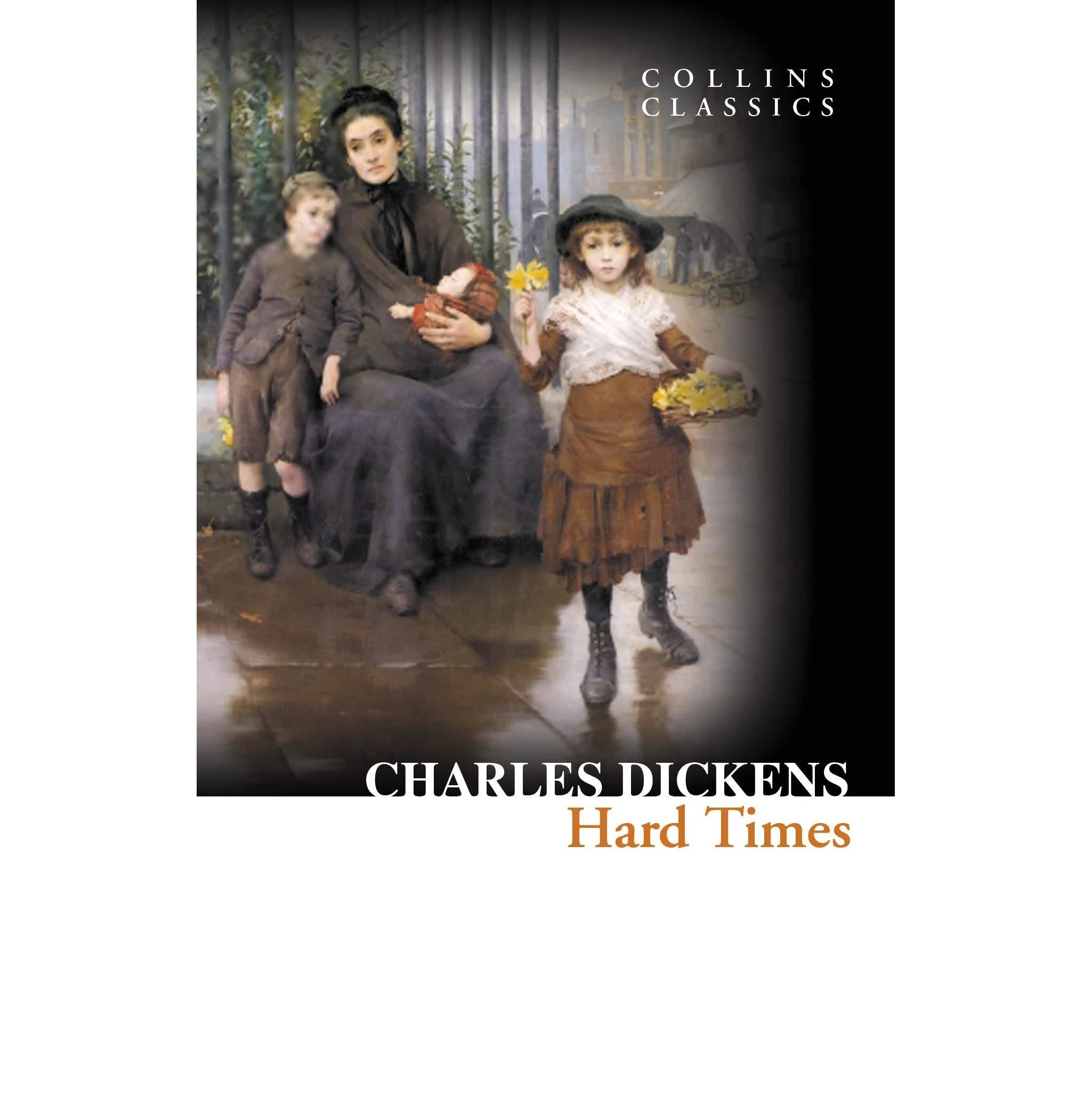
Hard Times, by Charles Dickens, is a piercing look at a fictional industrial town in 1850s England. Set in Coketown, the novel uses sharp social satire to expose the widening gulf between wealth and poverty and to explore what it means to live with imagination and conscience in a mechanized world. Aimed at readers who enjoy historical fiction, literary classics, and social critique, it carries an ironic yet hopeful tone that makes the big questions feel accessible and deeply relevant today.
In Hard Times, Dickens structures the narrative around a stern, fact-first education and the lives it shapes. The story follows the Gradgrind family and their circle—Louisa and Tom—through a landscape of factories, parable-like episodes, and pointed social commentary. The book’s brisk pacing, vivid scenes, and stark imagery of Coketown—smoke-darkened brick and ash—create a world that is both memorable and thought-provoking.
What makes the experience unique is Dickens's blend of biting humor, humane observation, and accessible storytelling. Through concise chapters and memorable characters, readers meet Louisa and Tom Gradgrind as they navigate a system that prizes facts over feeling. The novel presents key ideas—utilitarianism in education, the dehumanizing effects of industrial capitalism, and the moral costs of social rigidity—while inviting readers to consider questions of responsibility, empathy, and the human costs of progress.
- Rich depiction of the Industrial Revolution-era city of Coketown
- Core themes of class divide, utilitarian education, and moral responsibility
- Memorable characters such as Louisa Gradgrind and Tom Gradgrind
- Satirical tone paired with genuine human drama
- Accessible, brisk prose with vivid imagery and clear pacing
- Ideal for independent reading, study, or group discussion
After finishing Hard Times, readers gain a sharper lens on how social systems shape lives and a deeper empathy for those left behind by progress. The book invites reflection on education, industry, and morality, leaving a lasting impression and a question: what value do we place on imagination and compassion in a world that prizes efficiency?
Product Information
Product Information
Shipping & Returns
Shipping & Returns
Description
Hard Times, by Charles Dickens, is a piercing look at a fictional industrial town in 1850s England. Set in Coketown, the novel uses sharp social satire to expose the widening gulf between wealth and poverty and to explore what it means to live with imagination and conscience in a mechanized world. Aimed at readers who enjoy historical fiction, literary classics, and social critique, it carries an ironic yet hopeful tone that makes the big questions feel accessible and deeply relevant today.
In Hard Times, Dickens structures the narrative around a stern, fact-first education and the lives it shapes. The story follows the Gradgrind family and their circle—Louisa and Tom—through a landscape of factories, parable-like episodes, and pointed social commentary. The book’s brisk pacing, vivid scenes, and stark imagery of Coketown—smoke-darkened brick and ash—create a world that is both memorable and thought-provoking.
What makes the experience unique is Dickens's blend of biting humor, humane observation, and accessible storytelling. Through concise chapters and memorable characters, readers meet Louisa and Tom Gradgrind as they navigate a system that prizes facts over feeling. The novel presents key ideas—utilitarianism in education, the dehumanizing effects of industrial capitalism, and the moral costs of social rigidity—while inviting readers to consider questions of responsibility, empathy, and the human costs of progress.
- Rich depiction of the Industrial Revolution-era city of Coketown
- Core themes of class divide, utilitarian education, and moral responsibility
- Memorable characters such as Louisa Gradgrind and Tom Gradgrind
- Satirical tone paired with genuine human drama
- Accessible, brisk prose with vivid imagery and clear pacing
- Ideal for independent reading, study, or group discussion
After finishing Hard Times, readers gain a sharper lens on how social systems shape lives and a deeper empathy for those left behind by progress. The book invites reflection on education, industry, and morality, leaving a lasting impression and a question: what value do we place on imagination and compassion in a world that prizes efficiency?