Hbr Guide To Finance Basics
Non-fiction, practical guide for managers that demystifies finance and teaches you to read the numbers behind your business. Its central aim is to empower decision-makers to move from revenue focus to sustainable profitability, using financial data to drive smarter actions. It’s ideal for professionals new to finance or those who need a refresh, from new managers to seasoned leaders seeking clarity. The tone is practical, supportive, and empowering.
Content is presented in concise, accessible chapters with clear explanations and real-world examples. You’ll learn break-even analysis, the differences between income statements and balance sheets, and how a profitable company can still face risks. The guide uses practical frameworks and bite-sized lessons to help you apply concepts immediately. It emphasizes translating financial concepts into everyday business decisions and conversations.
Readers will see how to benchmark against rivals, defend budgets with data, and invest wisely using cost/benefit analysis. The material is designed for busy professionals, with quick exercises, checklists, and simple metrics you can use at the next meeting. It supports ongoing learning through practical activities that build confidence as you move from theory to action.
- Core finance concepts explained: break-even analysis, income statement, balance sheet; understanding profitability versus cash flow
- Practical tools and methods: budgeting, forecasting, cost/benefit analysis, scenario planning
- Managerial focus: benchmarking, competitive analysis, risk assessment
- Communication and influence: presenting numbers to non-financial stakeholders and defending budget requests
- Learning approach: concise explanations, real-world examples, checklists, quick exercises
- Accessibility and applicability: clear guidance tailored for professionals seeking practical, actionable insights
After finishing, readers will interpret financial data with confidence, connect numbers to strategy, and make decisions that strengthen performance and resilience. It leaves professionals more curious, capable, and ready to contribute to their teams and organizations with a clearer view of how finance drives success.
Product Information
Product Information
Shipping & Returns
Shipping & Returns
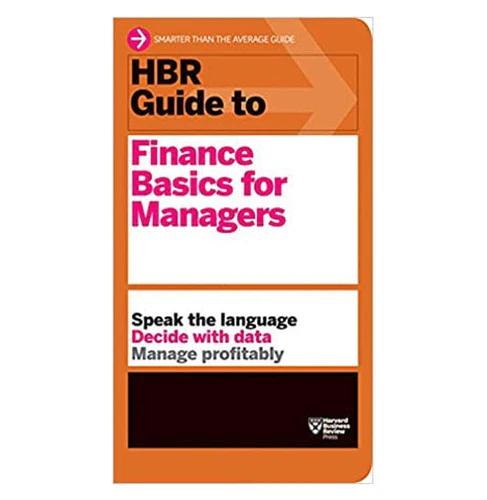
Hbr Guide To Finance Basics
Hbr Guide To Finance Basics
Non-fiction, practical guide for managers that demystifies finance and teaches you to read the numbers behind your business. Its central aim is to empower decision-makers to move from revenue focus to sustainable profitability, using financial data to drive smarter actions. It’s ideal for professionals new to finance or those who need a refresh, from new managers to seasoned leaders seeking clarity. The tone is practical, supportive, and empowering.
Content is presented in concise, accessible chapters with clear explanations and real-world examples. You’ll learn break-even analysis, the differences between income statements and balance sheets, and how a profitable company can still face risks. The guide uses practical frameworks and bite-sized lessons to help you apply concepts immediately. It emphasizes translating financial concepts into everyday business decisions and conversations.
Readers will see how to benchmark against rivals, defend budgets with data, and invest wisely using cost/benefit analysis. The material is designed for busy professionals, with quick exercises, checklists, and simple metrics you can use at the next meeting. It supports ongoing learning through practical activities that build confidence as you move from theory to action.
- Core finance concepts explained: break-even analysis, income statement, balance sheet; understanding profitability versus cash flow
- Practical tools and methods: budgeting, forecasting, cost/benefit analysis, scenario planning
- Managerial focus: benchmarking, competitive analysis, risk assessment
- Communication and influence: presenting numbers to non-financial stakeholders and defending budget requests
- Learning approach: concise explanations, real-world examples, checklists, quick exercises
- Accessibility and applicability: clear guidance tailored for professionals seeking practical, actionable insights
After finishing, readers will interpret financial data with confidence, connect numbers to strategy, and make decisions that strengthen performance and resilience. It leaves professionals more curious, capable, and ready to contribute to their teams and organizations with a clearer view of how finance drives success.
Original: $6.85
-70%$6.85
$2.05Product Information
Product Information
Shipping & Returns
Shipping & Returns
Description
Non-fiction, practical guide for managers that demystifies finance and teaches you to read the numbers behind your business. Its central aim is to empower decision-makers to move from revenue focus to sustainable profitability, using financial data to drive smarter actions. It’s ideal for professionals new to finance or those who need a refresh, from new managers to seasoned leaders seeking clarity. The tone is practical, supportive, and empowering.
Content is presented in concise, accessible chapters with clear explanations and real-world examples. You’ll learn break-even analysis, the differences between income statements and balance sheets, and how a profitable company can still face risks. The guide uses practical frameworks and bite-sized lessons to help you apply concepts immediately. It emphasizes translating financial concepts into everyday business decisions and conversations.
Readers will see how to benchmark against rivals, defend budgets with data, and invest wisely using cost/benefit analysis. The material is designed for busy professionals, with quick exercises, checklists, and simple metrics you can use at the next meeting. It supports ongoing learning through practical activities that build confidence as you move from theory to action.
- Core finance concepts explained: break-even analysis, income statement, balance sheet; understanding profitability versus cash flow
- Practical tools and methods: budgeting, forecasting, cost/benefit analysis, scenario planning
- Managerial focus: benchmarking, competitive analysis, risk assessment
- Communication and influence: presenting numbers to non-financial stakeholders and defending budget requests
- Learning approach: concise explanations, real-world examples, checklists, quick exercises
- Accessibility and applicability: clear guidance tailored for professionals seeking practical, actionable insights
After finishing, readers will interpret financial data with confidence, connect numbers to strategy, and make decisions that strengthen performance and resilience. It leaves professionals more curious, capable, and ready to contribute to their teams and organizations with a clearer view of how finance drives success.