Hindu Nationalism In The Indian Diaspora: Transnational Identities And The Politics Of Multiculturalism
Hindu Nationalism In The Indian Diaspora: Transnational Identities And The Politics Of Multiculturalism offers a rigorous look at how a powerful political current from home travels with migrants and reshapes communities abroad. This book sits at the crossroads of sociology, political science, and cultural studies, written for students, researchers, and curious readers interested in diaspora politics, identity, and multiculturalism. The tone is educational, thoughtful, and hopeful, inviting readers to explore how belonging and culture are negotiated across borders.
Edward T.G. Anderson traces the origins and rise of diasporic Hindutva, showing how organizations and ideological frameworks tied to Hindu nationalism have found resonance among Indians living abroad since the latter half of the twentieth century. Hindu Nationalism In The Indian Diaspora: Transnational Identities And The Politics Of Multiculturalism examines how such movements become a facet of diasporic identity, shaping conversations about homeland, community, and politics as migrants navigate multiple societies. The book also expands its lens to multicultural dynamics in places like Britain, exploring migrant politics, competition and cooperation among minority communities, and the broader implications for plural societies.
Written in a warm, accessible voice, the work blends historical analysis, case studies, and thoughtful reflection to reveal how identity is formed across borders. It presents key concepts in a clear, engaging way and uses real-world examples to keep complex ideas grounded. Whether you are approaching this topic from sociology, political science, or cultural studies, the narrative invites you to think critically about the promises and tensions of transnational belonging.
- Origins and rise of diasporic Hindutva across the late 20th century and beyond
- Transnational identities and ties to the homeland
- Migrant politics and the politics of multiculturalism in Britain and other destinations
- Interactions among minority communities within a global political landscape
- Accessible, interdisciplinary writing that blends theory with real-world case studies
- Thoughtful reflections on identity, belonging, and global citizenship
After finishing Hindu Nationalism In The Indian Diaspora: Transnational Identities And The Politics Of Multiculturalism, readers gain a nuanced understanding of how diasporic movements shape identity and public life. The book invites reflection on nationalism, belonging, and the responsibilities of global citizenship, leaving readers with a more thoughtful, informed perspective on diaspora, culture, and multiculturalism.
Product Information
Product Information
Shipping & Returns
Shipping & Returns
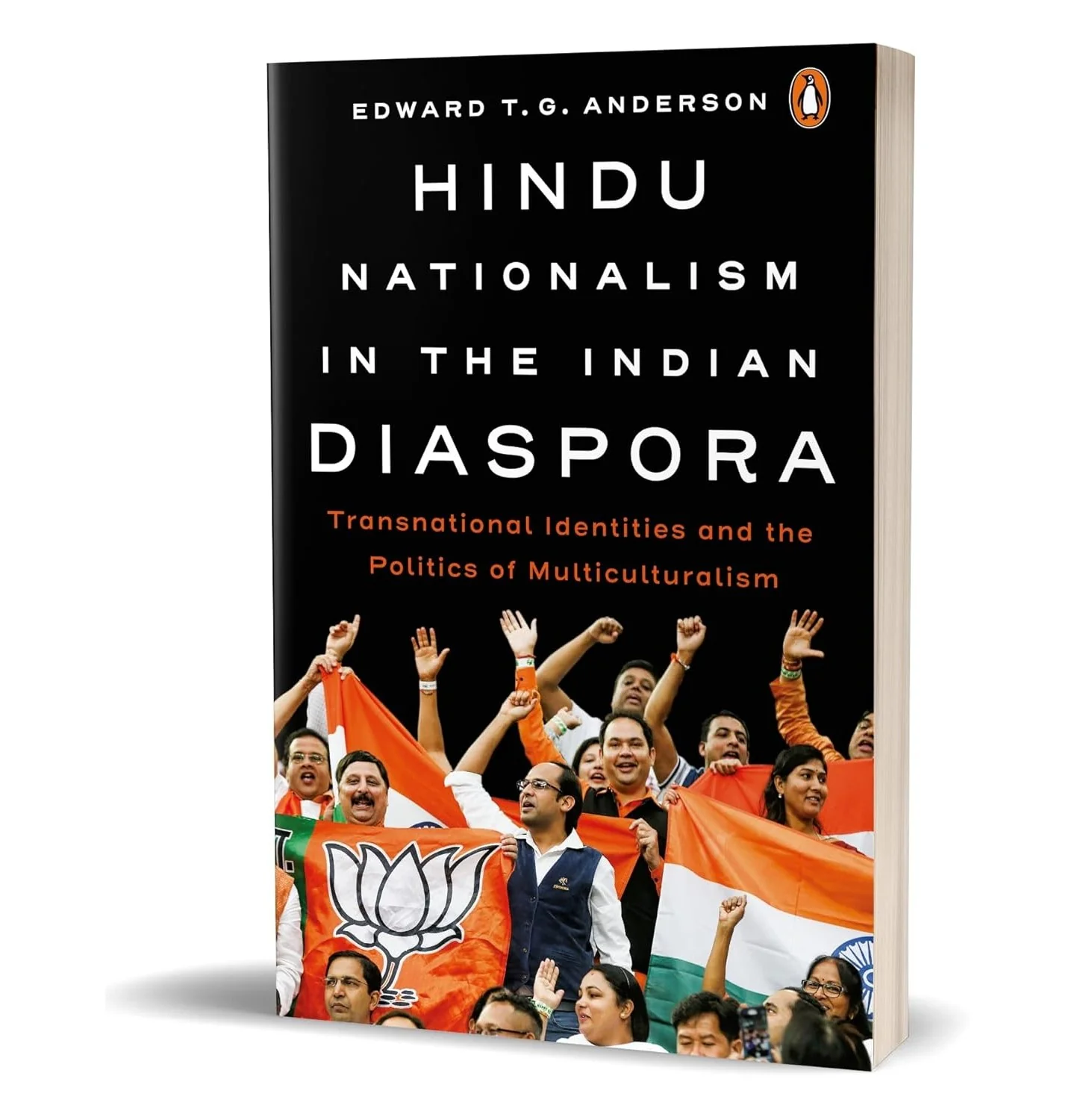
Hindu Nationalism In The Indian Diaspora: Transnational Identities And The Politics Of Multiculturalism
Hindu Nationalism In The Indian Diaspora: Transnational Identities And The Politics Of Multiculturalism
Hindu Nationalism In The Indian Diaspora: Transnational Identities And The Politics Of Multiculturalism offers a rigorous look at how a powerful political current from home travels with migrants and reshapes communities abroad. This book sits at the crossroads of sociology, political science, and cultural studies, written for students, researchers, and curious readers interested in diaspora politics, identity, and multiculturalism. The tone is educational, thoughtful, and hopeful, inviting readers to explore how belonging and culture are negotiated across borders.
Edward T.G. Anderson traces the origins and rise of diasporic Hindutva, showing how organizations and ideological frameworks tied to Hindu nationalism have found resonance among Indians living abroad since the latter half of the twentieth century. Hindu Nationalism In The Indian Diaspora: Transnational Identities And The Politics Of Multiculturalism examines how such movements become a facet of diasporic identity, shaping conversations about homeland, community, and politics as migrants navigate multiple societies. The book also expands its lens to multicultural dynamics in places like Britain, exploring migrant politics, competition and cooperation among minority communities, and the broader implications for plural societies.
Written in a warm, accessible voice, the work blends historical analysis, case studies, and thoughtful reflection to reveal how identity is formed across borders. It presents key concepts in a clear, engaging way and uses real-world examples to keep complex ideas grounded. Whether you are approaching this topic from sociology, political science, or cultural studies, the narrative invites you to think critically about the promises and tensions of transnational belonging.
- Origins and rise of diasporic Hindutva across the late 20th century and beyond
- Transnational identities and ties to the homeland
- Migrant politics and the politics of multiculturalism in Britain and other destinations
- Interactions among minority communities within a global political landscape
- Accessible, interdisciplinary writing that blends theory with real-world case studies
- Thoughtful reflections on identity, belonging, and global citizenship
After finishing Hindu Nationalism In The Indian Diaspora: Transnational Identities And The Politics Of Multiculturalism, readers gain a nuanced understanding of how diasporic movements shape identity and public life. The book invites reflection on nationalism, belonging, and the responsibilities of global citizenship, leaving readers with a more thoughtful, informed perspective on diaspora, culture, and multiculturalism.
Original: $7.30
-70%$7.30
$2.19Product Information
Product Information
Shipping & Returns
Shipping & Returns
Description
Hindu Nationalism In The Indian Diaspora: Transnational Identities And The Politics Of Multiculturalism offers a rigorous look at how a powerful political current from home travels with migrants and reshapes communities abroad. This book sits at the crossroads of sociology, political science, and cultural studies, written for students, researchers, and curious readers interested in diaspora politics, identity, and multiculturalism. The tone is educational, thoughtful, and hopeful, inviting readers to explore how belonging and culture are negotiated across borders.
Edward T.G. Anderson traces the origins and rise of diasporic Hindutva, showing how organizations and ideological frameworks tied to Hindu nationalism have found resonance among Indians living abroad since the latter half of the twentieth century. Hindu Nationalism In The Indian Diaspora: Transnational Identities And The Politics Of Multiculturalism examines how such movements become a facet of diasporic identity, shaping conversations about homeland, community, and politics as migrants navigate multiple societies. The book also expands its lens to multicultural dynamics in places like Britain, exploring migrant politics, competition and cooperation among minority communities, and the broader implications for plural societies.
Written in a warm, accessible voice, the work blends historical analysis, case studies, and thoughtful reflection to reveal how identity is formed across borders. It presents key concepts in a clear, engaging way and uses real-world examples to keep complex ideas grounded. Whether you are approaching this topic from sociology, political science, or cultural studies, the narrative invites you to think critically about the promises and tensions of transnational belonging.
- Origins and rise of diasporic Hindutva across the late 20th century and beyond
- Transnational identities and ties to the homeland
- Migrant politics and the politics of multiculturalism in Britain and other destinations
- Interactions among minority communities within a global political landscape
- Accessible, interdisciplinary writing that blends theory with real-world case studies
- Thoughtful reflections on identity, belonging, and global citizenship
After finishing Hindu Nationalism In The Indian Diaspora: Transnational Identities And The Politics Of Multiculturalism, readers gain a nuanced understanding of how diasporic movements shape identity and public life. The book invites reflection on nationalism, belonging, and the responsibilities of global citizenship, leaving readers with a more thoughtful, informed perspective on diaspora, culture, and multiculturalism.