How The World Was Born: Wondrous Indian Myths And Legends
How The World Was Born: Wondrous Indian Myths And Legends takes readers into the intricate historical and political landscape of Kashmir, offering a clear, accessible look at how insurgency evolved into Islamist jihad against India and the pivotal moments that shaped the region from 2002 to 2007. Written for readers who seek a balanced, informative take on a complex conflict, this book carries a thoughtful, educational tone that respects nuance and invites reflection.
Written with warmth and authority, How The World Was Born: Wondrous Indian Myths And Legends weaves together careful analysis with candid storytelling. Kumar draws on her own experience to ground the narrative, presenting a structured journey through key events such as the Lahore Declaration, India's efforts to engage separatist groups, and the mounting pressure on Pakistan to counter radical movements. The pace is steady, and the voice is patient, making challenging geopolitical topics approachable for both curious readers and students of modern South Asia. In How The World Was Born: Wondrous Indian Myths And Legends, the book blends narrative with critique to illuminate how diplomacy and conflict have shaped everyday life in the region.
In How The World Was Born: Wondrous Indian Myths And Legends, key concepts such as insurgency, counter-insurgency, AFSPA, and the political grievances that fuel unrest are explained clearly. The presentation translates complex policy and diplomacy into accessible insights, using case studies, timelines, and reflective commentary to connect global events—like 9/11 and the Afghan war—to local realities in Kashmir. The result is an engaging learning experience that respects the reader’s intelligence while making difficult topics feel approachable.
- Key moments and turning points in Kashmir from 2002–2007
- Detailed analysis of the Lahore Declaration, Kargil operation, and negotiation attempts with separatist groups
- Contextual examination of global events (9/11, Afghan war) and their regional impact
- Discussion of counter-insurgency measures, AFSPA, and related political grievances
- Empathetic, experience-based critique that seeks balanced perspectives from India and Pakistan
- Clear, readable writing with timelines, case studies, and thoughtful insights
After finishing How The World Was Born: Wondrous Indian Myths And Legends, readers will come away with a nuanced understanding of Kashmir’s past and present, greater empathy for its people, and a framework for thinking about peace-building in multi-faceted conflicts. The book leaves readers with a sense of responsibility and hope, encouraging thoughtful dialogue and collaborative approaches that can contribute to harmony and stability.
Product Information
Product Information
Shipping & Returns
Shipping & Returns
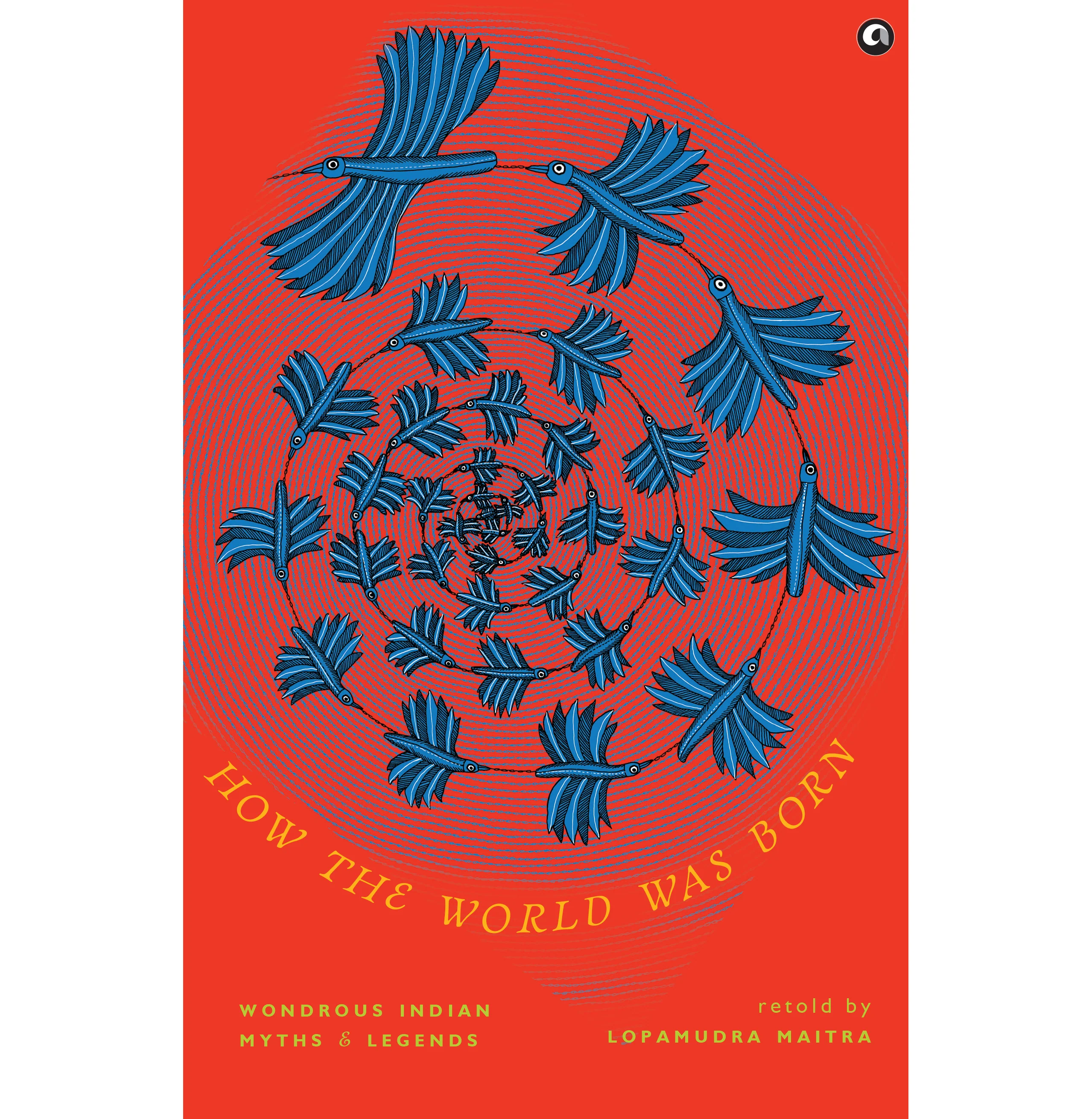
How The World Was Born: Wondrous Indian Myths And Legends
How The World Was Born: Wondrous Indian Myths And Legends
How The World Was Born: Wondrous Indian Myths And Legends takes readers into the intricate historical and political landscape of Kashmir, offering a clear, accessible look at how insurgency evolved into Islamist jihad against India and the pivotal moments that shaped the region from 2002 to 2007. Written for readers who seek a balanced, informative take on a complex conflict, this book carries a thoughtful, educational tone that respects nuance and invites reflection.
Written with warmth and authority, How The World Was Born: Wondrous Indian Myths And Legends weaves together careful analysis with candid storytelling. Kumar draws on her own experience to ground the narrative, presenting a structured journey through key events such as the Lahore Declaration, India's efforts to engage separatist groups, and the mounting pressure on Pakistan to counter radical movements. The pace is steady, and the voice is patient, making challenging geopolitical topics approachable for both curious readers and students of modern South Asia. In How The World Was Born: Wondrous Indian Myths And Legends, the book blends narrative with critique to illuminate how diplomacy and conflict have shaped everyday life in the region.
In How The World Was Born: Wondrous Indian Myths And Legends, key concepts such as insurgency, counter-insurgency, AFSPA, and the political grievances that fuel unrest are explained clearly. The presentation translates complex policy and diplomacy into accessible insights, using case studies, timelines, and reflective commentary to connect global events—like 9/11 and the Afghan war—to local realities in Kashmir. The result is an engaging learning experience that respects the reader’s intelligence while making difficult topics feel approachable.
- Key moments and turning points in Kashmir from 2002–2007
- Detailed analysis of the Lahore Declaration, Kargil operation, and negotiation attempts with separatist groups
- Contextual examination of global events (9/11, Afghan war) and their regional impact
- Discussion of counter-insurgency measures, AFSPA, and related political grievances
- Empathetic, experience-based critique that seeks balanced perspectives from India and Pakistan
- Clear, readable writing with timelines, case studies, and thoughtful insights
After finishing How The World Was Born: Wondrous Indian Myths And Legends, readers will come away with a nuanced understanding of Kashmir’s past and present, greater empathy for its people, and a framework for thinking about peace-building in multi-faceted conflicts. The book leaves readers with a sense of responsibility and hope, encouraging thoughtful dialogue and collaborative approaches that can contribute to harmony and stability.
Product Information
Product Information
Shipping & Returns
Shipping & Returns
Description
How The World Was Born: Wondrous Indian Myths And Legends takes readers into the intricate historical and political landscape of Kashmir, offering a clear, accessible look at how insurgency evolved into Islamist jihad against India and the pivotal moments that shaped the region from 2002 to 2007. Written for readers who seek a balanced, informative take on a complex conflict, this book carries a thoughtful, educational tone that respects nuance and invites reflection.
Written with warmth and authority, How The World Was Born: Wondrous Indian Myths And Legends weaves together careful analysis with candid storytelling. Kumar draws on her own experience to ground the narrative, presenting a structured journey through key events such as the Lahore Declaration, India's efforts to engage separatist groups, and the mounting pressure on Pakistan to counter radical movements. The pace is steady, and the voice is patient, making challenging geopolitical topics approachable for both curious readers and students of modern South Asia. In How The World Was Born: Wondrous Indian Myths And Legends, the book blends narrative with critique to illuminate how diplomacy and conflict have shaped everyday life in the region.
In How The World Was Born: Wondrous Indian Myths And Legends, key concepts such as insurgency, counter-insurgency, AFSPA, and the political grievances that fuel unrest are explained clearly. The presentation translates complex policy and diplomacy into accessible insights, using case studies, timelines, and reflective commentary to connect global events—like 9/11 and the Afghan war—to local realities in Kashmir. The result is an engaging learning experience that respects the reader’s intelligence while making difficult topics feel approachable.
- Key moments and turning points in Kashmir from 2002–2007
- Detailed analysis of the Lahore Declaration, Kargil operation, and negotiation attempts with separatist groups
- Contextual examination of global events (9/11, Afghan war) and their regional impact
- Discussion of counter-insurgency measures, AFSPA, and related political grievances
- Empathetic, experience-based critique that seeks balanced perspectives from India and Pakistan
- Clear, readable writing with timelines, case studies, and thoughtful insights
After finishing How The World Was Born: Wondrous Indian Myths And Legends, readers will come away with a nuanced understanding of Kashmir’s past and present, greater empathy for its people, and a framework for thinking about peace-building in multi-faceted conflicts. The book leaves readers with a sense of responsibility and hope, encouraging thoughtful dialogue and collaborative approaches that can contribute to harmony and stability.