How To Be A Bad Botanist
This non-fiction nature and science book is crafted for curious readers who want to understand how plants work and why they matter. The central theme is that plants are the living engine of life on Earth, shaping both the world around us and our inner experiences. It’s aimed at adults and older children who crave thoughtful explanations and a sense of wonder about the natural world. The tone is inviting, reflective, and hopeful—educational without being dry, and quietly inspiring.
Presented as a journey through plant life, the book blends clear science with vivid real-world examples. From the tenacity of yellow horned poppies thriving on a shingle beach to the everyday roles of cabbages, conifers, wildflowers, and orchids, it traces how plants perform photosynthesis and reproduce in surprising ways. The writing invites an interactive learning experience, encouraging you to notice plants around you and connect what you see to the science behind them.
Readers explore core concepts in accessible, story-driven prose: photosynthesis, plant reproduction, plant diversity, habitats, and the subtle ways plants affect both ecosystems and human life. Learning feels approachable and enjoyable, with concrete examples that make abstract ideas tangible and memorable. The journey cultivates curiosity, patience, and a deeper appreciation for the green world that surrounds us, turning everyday sight into a doorway to understanding.
- Key content elements: photosynthesis, plant reproduction, plant diversity, habitats, and plant-human connections
- Learning outcomes: improved plant identification, ecological literacy, and a deeper appreciation for nature
- Illustration and writing style: vivid real-world examples with a thoughtful, narrative tone
- Interactive or standout features: observation prompts that invite you to notice plants in your environment
After finishing, readers carry a refreshed sense of wonder about the natural world, a stronger ability to recognize plant life in daily life, and renewed curiosity to explore how living things shape the world around us. It leaves a lasting impression of calm insight and practical understanding that fuels ongoing learning and exploration.
Product Information
Product Information
Shipping & Returns
Shipping & Returns
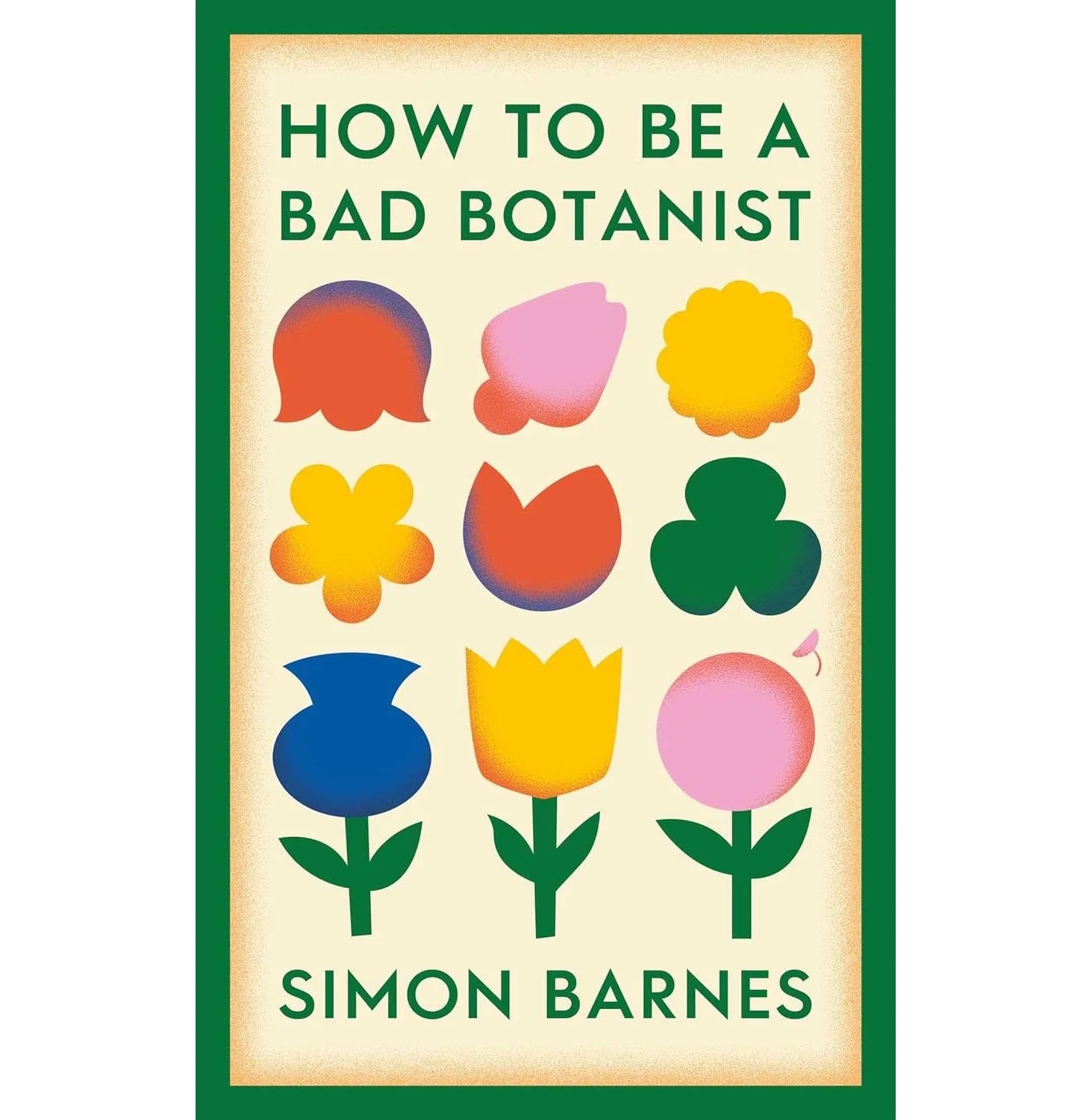
How To Be A Bad Botanist
How To Be A Bad Botanist
This non-fiction nature and science book is crafted for curious readers who want to understand how plants work and why they matter. The central theme is that plants are the living engine of life on Earth, shaping both the world around us and our inner experiences. It’s aimed at adults and older children who crave thoughtful explanations and a sense of wonder about the natural world. The tone is inviting, reflective, and hopeful—educational without being dry, and quietly inspiring.
Presented as a journey through plant life, the book blends clear science with vivid real-world examples. From the tenacity of yellow horned poppies thriving on a shingle beach to the everyday roles of cabbages, conifers, wildflowers, and orchids, it traces how plants perform photosynthesis and reproduce in surprising ways. The writing invites an interactive learning experience, encouraging you to notice plants around you and connect what you see to the science behind them.
Readers explore core concepts in accessible, story-driven prose: photosynthesis, plant reproduction, plant diversity, habitats, and the subtle ways plants affect both ecosystems and human life. Learning feels approachable and enjoyable, with concrete examples that make abstract ideas tangible and memorable. The journey cultivates curiosity, patience, and a deeper appreciation for the green world that surrounds us, turning everyday sight into a doorway to understanding.
- Key content elements: photosynthesis, plant reproduction, plant diversity, habitats, and plant-human connections
- Learning outcomes: improved plant identification, ecological literacy, and a deeper appreciation for nature
- Illustration and writing style: vivid real-world examples with a thoughtful, narrative tone
- Interactive or standout features: observation prompts that invite you to notice plants in your environment
After finishing, readers carry a refreshed sense of wonder about the natural world, a stronger ability to recognize plant life in daily life, and renewed curiosity to explore how living things shape the world around us. It leaves a lasting impression of calm insight and practical understanding that fuels ongoing learning and exploration.
Original: $8.21
-70%$8.21
$2.46Product Information
Product Information
Shipping & Returns
Shipping & Returns
Description
This non-fiction nature and science book is crafted for curious readers who want to understand how plants work and why they matter. The central theme is that plants are the living engine of life on Earth, shaping both the world around us and our inner experiences. It’s aimed at adults and older children who crave thoughtful explanations and a sense of wonder about the natural world. The tone is inviting, reflective, and hopeful—educational without being dry, and quietly inspiring.
Presented as a journey through plant life, the book blends clear science with vivid real-world examples. From the tenacity of yellow horned poppies thriving on a shingle beach to the everyday roles of cabbages, conifers, wildflowers, and orchids, it traces how plants perform photosynthesis and reproduce in surprising ways. The writing invites an interactive learning experience, encouraging you to notice plants around you and connect what you see to the science behind them.
Readers explore core concepts in accessible, story-driven prose: photosynthesis, plant reproduction, plant diversity, habitats, and the subtle ways plants affect both ecosystems and human life. Learning feels approachable and enjoyable, with concrete examples that make abstract ideas tangible and memorable. The journey cultivates curiosity, patience, and a deeper appreciation for the green world that surrounds us, turning everyday sight into a doorway to understanding.
- Key content elements: photosynthesis, plant reproduction, plant diversity, habitats, and plant-human connections
- Learning outcomes: improved plant identification, ecological literacy, and a deeper appreciation for nature
- Illustration and writing style: vivid real-world examples with a thoughtful, narrative tone
- Interactive or standout features: observation prompts that invite you to notice plants in your environment
After finishing, readers carry a refreshed sense of wonder about the natural world, a stronger ability to recognize plant life in daily life, and renewed curiosity to explore how living things shape the world around us. It leaves a lasting impression of calm insight and practical understanding that fuels ongoing learning and exploration.