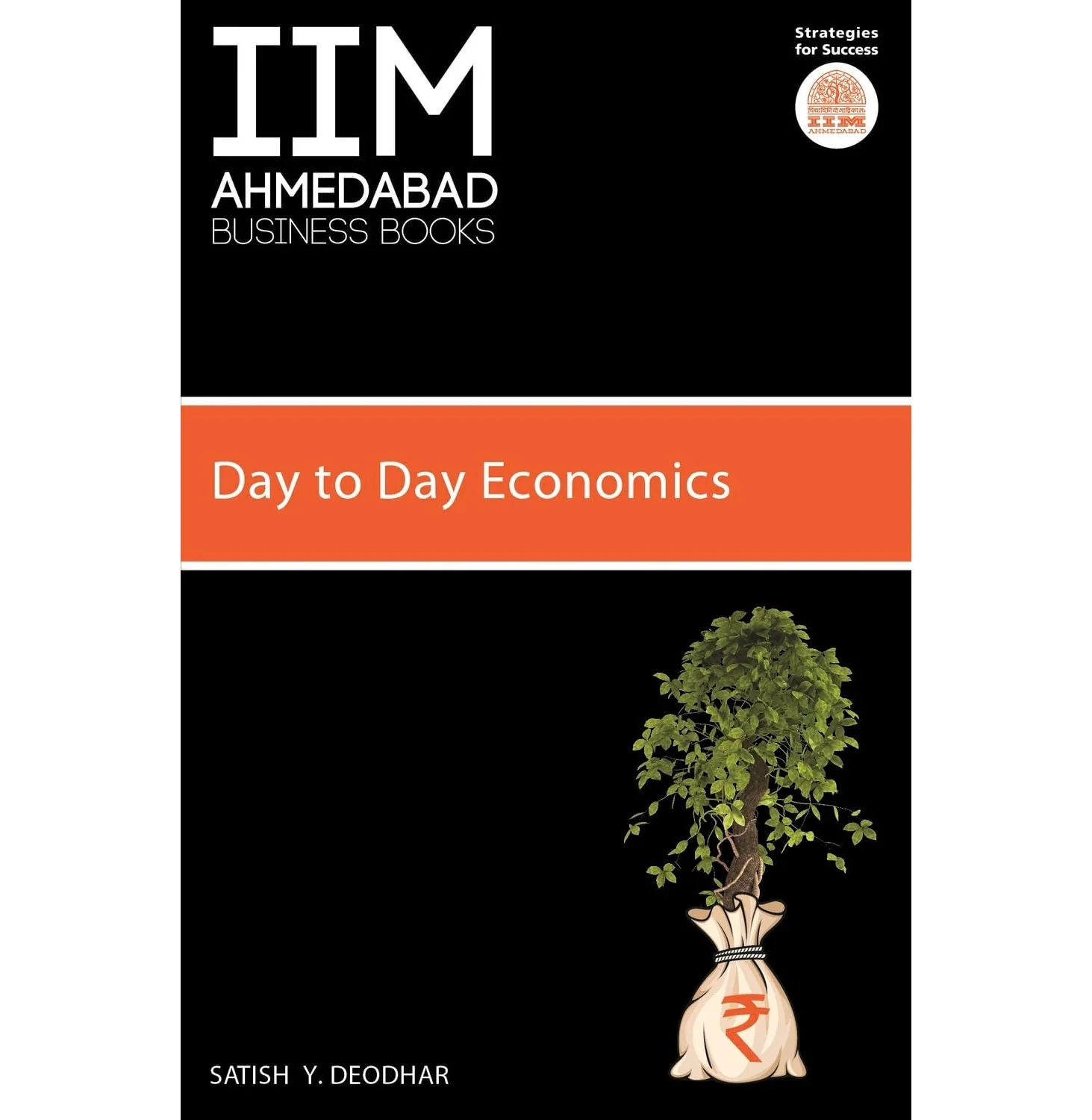
Day To Day Economics
Day To Day Economics is a provocative collection of fourteen essays by Arundhati Roy, written between June 2002 and November 2004, that probes how empire, globalization, and corporate power shape politics, media, and everyday life. A sharp, accessible work of non‑fiction for thoughtful readers—students of politics, journalism, and social science, as well as anyone seeking a clearer view of our era—the book blends fearless analysis with humane insight and a sense of urgency.
In Day To Day Economics, Roy threads together diverse topics into a unified critique of power. The essays are structured as concise investigations—clear, meticulously researched arguments that connect America's War on Terror to the rise of corporate influence, state responses to resistance movements, and the roles of NGOs, caste, and communal politics in India. The writing is lucid and compelling, inviting readers to follow how seemingly separate events echo one another and reshape public life. This is non-fiction that reads with the pace of a roadmap, guiding readers through complex ideas without sacrificing clarity.
Whether addressing media reform or economic policy, Roy’s voice remains both informed and humane. The content is presented through tightly argued analysis, accessible examples, and well‑sourced evidence, making difficult concepts approachable for a broad audience. Day To Day Economics invites readers to see the connections between global power structures and local realities, offering insights that stay with you long after you finish the last page.
- Fourteen essays spanning June 2002 to November 2004
- Clear connections between empire, the War on Terror, and corporate power
- Examination of NGO roles, caste, and communal politics in India
- Meticulously researched, yet accessible prose
- Engagement with mass media dynamics in a corporatized world
- Provokes reflection and invites readers to question prevailing narratives
After finishing Day To Day Economics, readers gain a clearer lens for understanding how power operates in everyday life and why events across the world matter to their own communities. The book leaves you thinking differently about media narratives, policy choices, and the concrete consequences of global politics, fostering a sense of responsibility and curiosity to seek further information and engage with the world thoughtfully.
Product Information
Product Information
Shipping & Returns
Shipping & Returns
Day To Day Economics
Day To Day Economics
Day To Day Economics is a provocative collection of fourteen essays by Arundhati Roy, written between June 2002 and November 2004, that probes how empire, globalization, and corporate power shape politics, media, and everyday life. A sharp, accessible work of non‑fiction for thoughtful readers—students of politics, journalism, and social science, as well as anyone seeking a clearer view of our era—the book blends fearless analysis with humane insight and a sense of urgency.
In Day To Day Economics, Roy threads together diverse topics into a unified critique of power. The essays are structured as concise investigations—clear, meticulously researched arguments that connect America's War on Terror to the rise of corporate influence, state responses to resistance movements, and the roles of NGOs, caste, and communal politics in India. The writing is lucid and compelling, inviting readers to follow how seemingly separate events echo one another and reshape public life. This is non-fiction that reads with the pace of a roadmap, guiding readers through complex ideas without sacrificing clarity.
Whether addressing media reform or economic policy, Roy’s voice remains both informed and humane. The content is presented through tightly argued analysis, accessible examples, and well‑sourced evidence, making difficult concepts approachable for a broad audience. Day To Day Economics invites readers to see the connections between global power structures and local realities, offering insights that stay with you long after you finish the last page.
- Fourteen essays spanning June 2002 to November 2004
- Clear connections between empire, the War on Terror, and corporate power
- Examination of NGO roles, caste, and communal politics in India
- Meticulously researched, yet accessible prose
- Engagement with mass media dynamics in a corporatized world
- Provokes reflection and invites readers to question prevailing narratives
After finishing Day To Day Economics, readers gain a clearer lens for understanding how power operates in everyday life and why events across the world matter to their own communities. The book leaves you thinking differently about media narratives, policy choices, and the concrete consequences of global politics, fostering a sense of responsibility and curiosity to seek further information and engage with the world thoughtfully.
Original: $2.73
-70%$2.73
$0.82Product Information
Product Information
Shipping & Returns
Shipping & Returns
Description
Day To Day Economics is a provocative collection of fourteen essays by Arundhati Roy, written between June 2002 and November 2004, that probes how empire, globalization, and corporate power shape politics, media, and everyday life. A sharp, accessible work of non‑fiction for thoughtful readers—students of politics, journalism, and social science, as well as anyone seeking a clearer view of our era—the book blends fearless analysis with humane insight and a sense of urgency.
In Day To Day Economics, Roy threads together diverse topics into a unified critique of power. The essays are structured as concise investigations—clear, meticulously researched arguments that connect America's War on Terror to the rise of corporate influence, state responses to resistance movements, and the roles of NGOs, caste, and communal politics in India. The writing is lucid and compelling, inviting readers to follow how seemingly separate events echo one another and reshape public life. This is non-fiction that reads with the pace of a roadmap, guiding readers through complex ideas without sacrificing clarity.
Whether addressing media reform or economic policy, Roy’s voice remains both informed and humane. The content is presented through tightly argued analysis, accessible examples, and well‑sourced evidence, making difficult concepts approachable for a broad audience. Day To Day Economics invites readers to see the connections between global power structures and local realities, offering insights that stay with you long after you finish the last page.
- Fourteen essays spanning June 2002 to November 2004
- Clear connections between empire, the War on Terror, and corporate power
- Examination of NGO roles, caste, and communal politics in India
- Meticulously researched, yet accessible prose
- Engagement with mass media dynamics in a corporatized world
- Provokes reflection and invites readers to question prevailing narratives
After finishing Day To Day Economics, readers gain a clearer lens for understanding how power operates in everyday life and why events across the world matter to their own communities. The book leaves you thinking differently about media narratives, policy choices, and the concrete consequences of global politics, fostering a sense of responsibility and curiosity to seek further information and engage with the world thoughtfully.