In The Bonesetters Waiting Room
This non-fiction exploration surveys how medicine in modern India has evolved, merging ancient healing traditions with cutting-edge care. It invites adult readers and students of medical history, anthropology, and public health to consider how culture, policy, and technology shape who gets care and how healing is experienced in a diverse society.
The content unfolds through attentive reportage and vivid, scene-driven storytelling. Readers follow real-life settings—from clinics and waiting rooms to community health projects—encountering a spectrum of practitioners and approaches. The tone is respectful, curious, and accessible, making complex ideas approachable without losing nuance.
Concepts include medical pluralism, health equity, and the social determinants of health, with examples ranging from traditional bone-setting practices to modern surgical innovation and public health initiatives. The writing supports interactive learning as readers reflect on real-world cases and engage with reflective prompts that encourage discussion and analysis, making learning accessible and engaging rather than abstract.
- Key content elements: Clinic profiles across Indian cities, traditional healing practices alongside modern medicine, and vivid scenes from everyday health care.
- Learning outcomes: Understanding medical pluralism, social determinants of health, and how policy and culture shape access to care—developing critical thinking about health systems.
- Writing style: Clear, respectful, scene-driven narrative that blends reportage with human stories to illuminate complex ideas without jargon.
- Interactive or standout features: Connections to public exhibitions and educational programs, plus prompts that encourage reflection and discussion.
Readers finish with a nuanced understanding of medicine as a cultural practice, gaining empathy for patients navigating diverse care pathways and a broader curiosity about how health systems shape everyday life. The book leaves a lasting impression of India's plural medical landscape and its potential to inform global conversations about well-being.
Product Information
Product Information
Shipping & Returns
Shipping & Returns
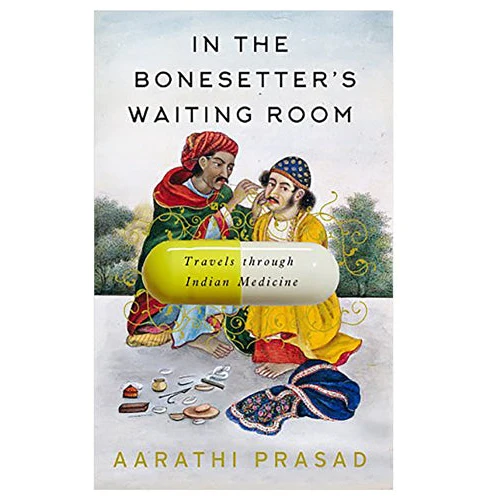
In The Bonesetters Waiting Room
In The Bonesetters Waiting Room
This non-fiction exploration surveys how medicine in modern India has evolved, merging ancient healing traditions with cutting-edge care. It invites adult readers and students of medical history, anthropology, and public health to consider how culture, policy, and technology shape who gets care and how healing is experienced in a diverse society.
The content unfolds through attentive reportage and vivid, scene-driven storytelling. Readers follow real-life settings—from clinics and waiting rooms to community health projects—encountering a spectrum of practitioners and approaches. The tone is respectful, curious, and accessible, making complex ideas approachable without losing nuance.
Concepts include medical pluralism, health equity, and the social determinants of health, with examples ranging from traditional bone-setting practices to modern surgical innovation and public health initiatives. The writing supports interactive learning as readers reflect on real-world cases and engage with reflective prompts that encourage discussion and analysis, making learning accessible and engaging rather than abstract.
- Key content elements: Clinic profiles across Indian cities, traditional healing practices alongside modern medicine, and vivid scenes from everyday health care.
- Learning outcomes: Understanding medical pluralism, social determinants of health, and how policy and culture shape access to care—developing critical thinking about health systems.
- Writing style: Clear, respectful, scene-driven narrative that blends reportage with human stories to illuminate complex ideas without jargon.
- Interactive or standout features: Connections to public exhibitions and educational programs, plus prompts that encourage reflection and discussion.
Readers finish with a nuanced understanding of medicine as a cultural practice, gaining empathy for patients navigating diverse care pathways and a broader curiosity about how health systems shape everyday life. The book leaves a lasting impression of India's plural medical landscape and its potential to inform global conversations about well-being.
Original: $2.68
-70%$2.68
$0.80Product Information
Product Information
Shipping & Returns
Shipping & Returns
Description
This non-fiction exploration surveys how medicine in modern India has evolved, merging ancient healing traditions with cutting-edge care. It invites adult readers and students of medical history, anthropology, and public health to consider how culture, policy, and technology shape who gets care and how healing is experienced in a diverse society.
The content unfolds through attentive reportage and vivid, scene-driven storytelling. Readers follow real-life settings—from clinics and waiting rooms to community health projects—encountering a spectrum of practitioners and approaches. The tone is respectful, curious, and accessible, making complex ideas approachable without losing nuance.
Concepts include medical pluralism, health equity, and the social determinants of health, with examples ranging from traditional bone-setting practices to modern surgical innovation and public health initiatives. The writing supports interactive learning as readers reflect on real-world cases and engage with reflective prompts that encourage discussion and analysis, making learning accessible and engaging rather than abstract.
- Key content elements: Clinic profiles across Indian cities, traditional healing practices alongside modern medicine, and vivid scenes from everyday health care.
- Learning outcomes: Understanding medical pluralism, social determinants of health, and how policy and culture shape access to care—developing critical thinking about health systems.
- Writing style: Clear, respectful, scene-driven narrative that blends reportage with human stories to illuminate complex ideas without jargon.
- Interactive or standout features: Connections to public exhibitions and educational programs, plus prompts that encourage reflection and discussion.
Readers finish with a nuanced understanding of medicine as a cultural practice, gaining empathy for patients navigating diverse care pathways and a broader curiosity about how health systems shape everyday life. The book leaves a lasting impression of India's plural medical landscape and its potential to inform global conversations about well-being.