India’S Near East: A New History
India’S Near East: A New History offers a thoughtful, accessible exploration of how India engages with its Near East, tracing geo-economic dynamics and the evolution of the Act East policy. This non-fiction work is well suited for students of international relations, history enthusiasts, policymakers, and curious readers who want to understand India’s role in a rapidly shifting region. The tone is measured, insightful, and timely—educational, occasionally urgent, and grounded in careful analysis that invites reflection on real-world consequences.
Written by historian Avinash Paliwal, the book threads past and present into a clear, continuous narrative. It is organized around thematic chapters that tie historical moments to contemporary diplomacy, showing how India’s Near East engagements are shaped by broader rivalries and regional dynamics. The result is a readable, rigorous journey through policy debates, strategic choices, and the human stakes of geopolitics; key concepts include geo-economics, the Act East policy, and the tension between political stability and economic opportunity. The presentation blends careful analysis with accessible prose, using case studies and timelines to illuminate how ideas translate into policy and what that means for India's future role.
- In-depth analysis of India’s Near East relationships and the Act East policy
- Exploration of great-power rivalries, especially with China and Pakistan
- Discussion of communal and class tensions, religious and ethnic nationalism, and their impact on policy
- Examination of statecraft, regional stability, and the trade-off between political stability and economic opportunity
- Historical-to-contemporary structure with case studies and timelines
- Accessible, rigorous writing that helps readers connect ideas to real-world outcomes
Readers finish with a nuanced, evidence-based understanding of India’s role in a volatile region, feeling informed, thoughtful, and better prepared to discuss international relations and policy. This close examination of India’S Near East: A New History invites readers to connect historical context to current challenges, helping them think critically about the costs and trade-offs of statecraft and the human consequences of regional power dynamics.
Product Information
Product Information
Shipping & Returns
Shipping & Returns
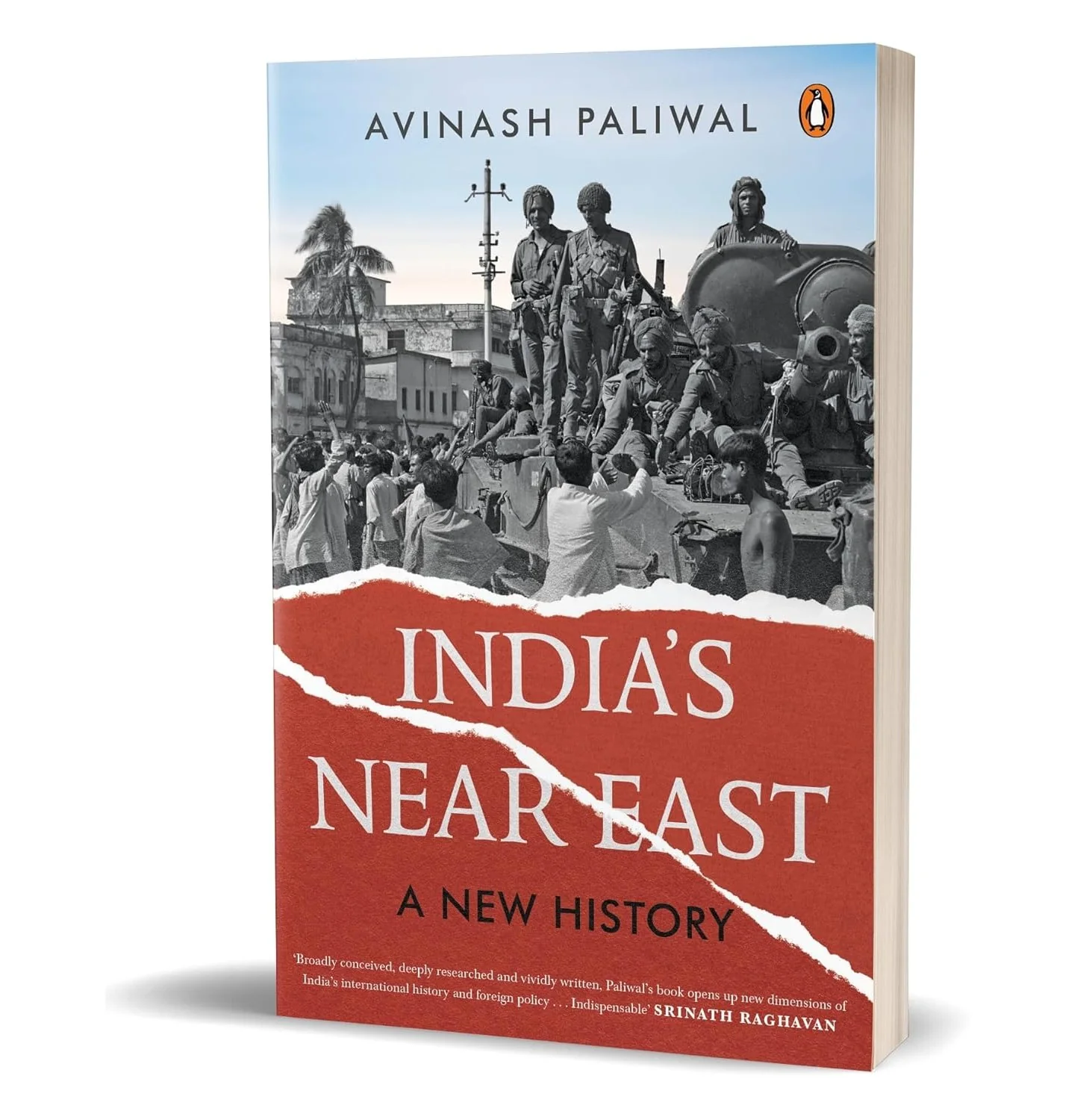
India’S Near East: A New History
India’S Near East: A New History
India’S Near East: A New History offers a thoughtful, accessible exploration of how India engages with its Near East, tracing geo-economic dynamics and the evolution of the Act East policy. This non-fiction work is well suited for students of international relations, history enthusiasts, policymakers, and curious readers who want to understand India’s role in a rapidly shifting region. The tone is measured, insightful, and timely—educational, occasionally urgent, and grounded in careful analysis that invites reflection on real-world consequences.
Written by historian Avinash Paliwal, the book threads past and present into a clear, continuous narrative. It is organized around thematic chapters that tie historical moments to contemporary diplomacy, showing how India’s Near East engagements are shaped by broader rivalries and regional dynamics. The result is a readable, rigorous journey through policy debates, strategic choices, and the human stakes of geopolitics; key concepts include geo-economics, the Act East policy, and the tension between political stability and economic opportunity. The presentation blends careful analysis with accessible prose, using case studies and timelines to illuminate how ideas translate into policy and what that means for India's future role.
- In-depth analysis of India’s Near East relationships and the Act East policy
- Exploration of great-power rivalries, especially with China and Pakistan
- Discussion of communal and class tensions, religious and ethnic nationalism, and their impact on policy
- Examination of statecraft, regional stability, and the trade-off between political stability and economic opportunity
- Historical-to-contemporary structure with case studies and timelines
- Accessible, rigorous writing that helps readers connect ideas to real-world outcomes
Readers finish with a nuanced, evidence-based understanding of India’s role in a volatile region, feeling informed, thoughtful, and better prepared to discuss international relations and policy. This close examination of India’S Near East: A New History invites readers to connect historical context to current challenges, helping them think critically about the costs and trade-offs of statecraft and the human consequences of regional power dynamics.
Original: $7.30
-70%$7.30
$2.19Product Information
Product Information
Shipping & Returns
Shipping & Returns
Description
India’S Near East: A New History offers a thoughtful, accessible exploration of how India engages with its Near East, tracing geo-economic dynamics and the evolution of the Act East policy. This non-fiction work is well suited for students of international relations, history enthusiasts, policymakers, and curious readers who want to understand India’s role in a rapidly shifting region. The tone is measured, insightful, and timely—educational, occasionally urgent, and grounded in careful analysis that invites reflection on real-world consequences.
Written by historian Avinash Paliwal, the book threads past and present into a clear, continuous narrative. It is organized around thematic chapters that tie historical moments to contemporary diplomacy, showing how India’s Near East engagements are shaped by broader rivalries and regional dynamics. The result is a readable, rigorous journey through policy debates, strategic choices, and the human stakes of geopolitics; key concepts include geo-economics, the Act East policy, and the tension between political stability and economic opportunity. The presentation blends careful analysis with accessible prose, using case studies and timelines to illuminate how ideas translate into policy and what that means for India's future role.
- In-depth analysis of India’s Near East relationships and the Act East policy
- Exploration of great-power rivalries, especially with China and Pakistan
- Discussion of communal and class tensions, religious and ethnic nationalism, and their impact on policy
- Examination of statecraft, regional stability, and the trade-off between political stability and economic opportunity
- Historical-to-contemporary structure with case studies and timelines
- Accessible, rigorous writing that helps readers connect ideas to real-world outcomes
Readers finish with a nuanced, evidence-based understanding of India’s role in a volatile region, feeling informed, thoughtful, and better prepared to discuss international relations and policy. This close examination of India’S Near East: A New History invites readers to connect historical context to current challenges, helping them think critically about the costs and trade-offs of statecraft and the human consequences of regional power dynamics.