Is Peace Possible?
Is Peace Possible? is a thoughtful examination of whether science must lead to conflict or can become a force for human flourishing. This non-fiction work, published in 1957, gathers the ideas of Kathleen Lonsdale, a pioneering crystallographer who turned to Quakerism to wrestle with the moral questions raised by atomic weapons. Written for curious adults, students, and readers interested in science, history, and ethics, the book carries a calm, earnest, and hopeful tone.
Written with clarity and intellectual discipline, the book blends scientific insight with personal conscience. Lonsdale examines the responsibilities of scientists and the social consequences of discovery, arguing that scientific knowledge can be steered toward peace rather than destruction. In Is Peace Possible?, she builds a logical case that science need not be weaponized, and that thoughtful inquiry can guide humanity toward greater harmony. The book unfolds in thoughtfully argued, accessible prose, inviting readers to follow a path from curiosity to moral action while staying grounded in real-world concerns.
What makes the experience unique is the way it marries rigorous analysis with humane reflection. Though rooted in the mid-20th century, Is Peace Possible? presents concepts in approachable terms, highlighting how science, ethics, and faith can intersect to shape public life. The narrative voice is measured and resonant, offering a historical snapshot that remains relevant as readers consider how science can contribute to a more peaceful world.
- Key content elements: science and peace, responsibility of scientists, moral questions raised by discovery, and the Quaker perspective on pacifism
- Interactive or standout features: invites thoughtful reflection through clear arguments and personal narrative
- Learning outcomes or experiences: understanding the ethics of scientific advancement, how to think critically about war and peace
- Writing or illustration style: precise, calm prose; lucid, accessible for general readers
After finishing Is Peace Possible?, readers gain a nuanced sense of science as a social responsibility and a hopeful belief that peaceful progress is possible when intellect is paired with moral courage. Is Peace Possible? offers enduring value for anyone seeking to understand how scientific discovery can serve humanity rather than harm it.
Product Information
Product Information
Shipping & Returns
Shipping & Returns
Is Peace Possible?
Is Peace Possible?
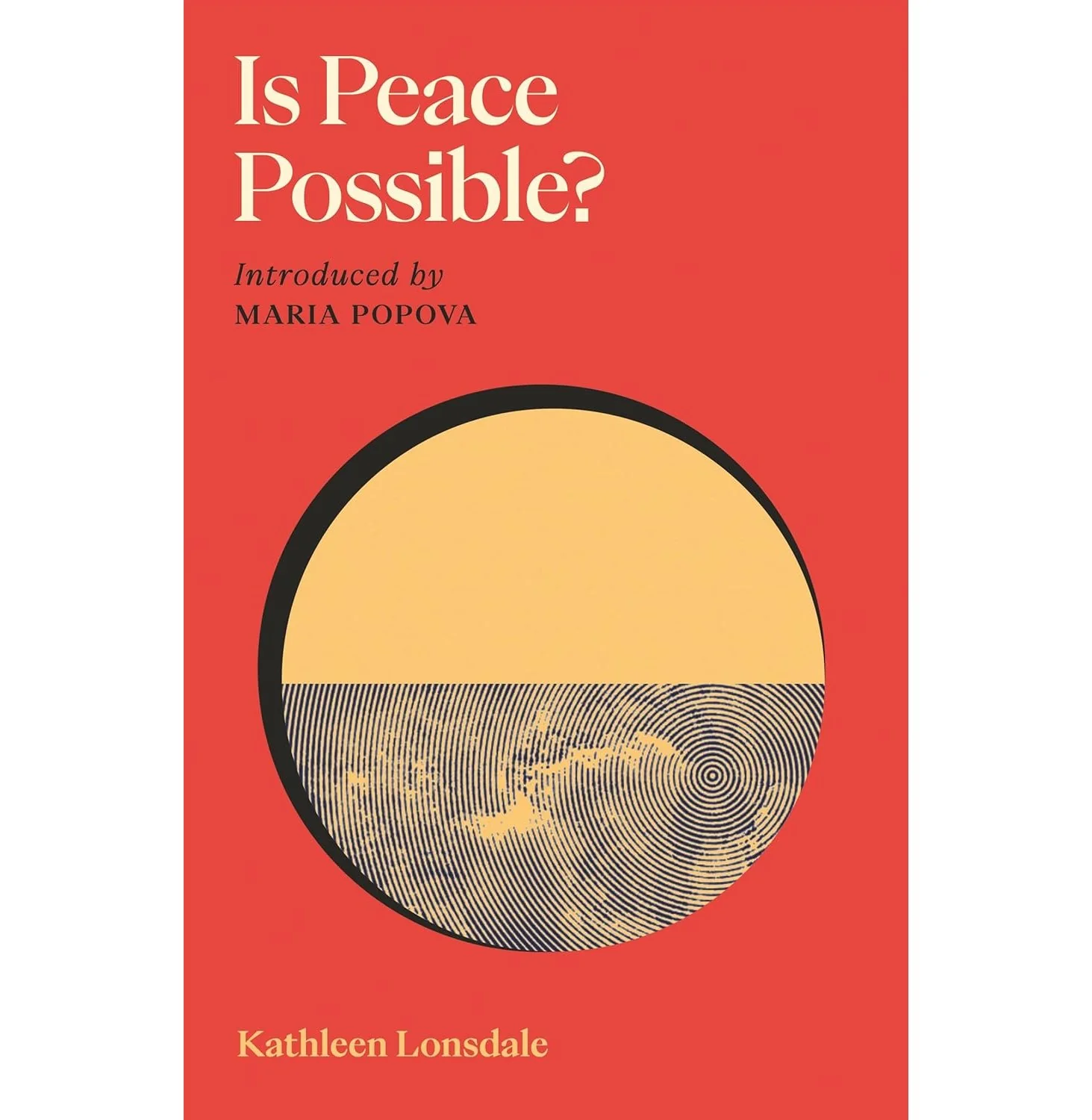
Is Peace Possible? is a thoughtful examination of whether science must lead to conflict or can become a force for human flourishing. This non-fiction work, published in 1957, gathers the ideas of Kathleen Lonsdale, a pioneering crystallographer who turned to Quakerism to wrestle with the moral questions raised by atomic weapons. Written for curious adults, students, and readers interested in science, history, and ethics, the book carries a calm, earnest, and hopeful tone.
Written with clarity and intellectual discipline, the book blends scientific insight with personal conscience. Lonsdale examines the responsibilities of scientists and the social consequences of discovery, arguing that scientific knowledge can be steered toward peace rather than destruction. In Is Peace Possible?, she builds a logical case that science need not be weaponized, and that thoughtful inquiry can guide humanity toward greater harmony. The book unfolds in thoughtfully argued, accessible prose, inviting readers to follow a path from curiosity to moral action while staying grounded in real-world concerns.
What makes the experience unique is the way it marries rigorous analysis with humane reflection. Though rooted in the mid-20th century, Is Peace Possible? presents concepts in approachable terms, highlighting how science, ethics, and faith can intersect to shape public life. The narrative voice is measured and resonant, offering a historical snapshot that remains relevant as readers consider how science can contribute to a more peaceful world.
- Key content elements: science and peace, responsibility of scientists, moral questions raised by discovery, and the Quaker perspective on pacifism
- Interactive or standout features: invites thoughtful reflection through clear arguments and personal narrative
- Learning outcomes or experiences: understanding the ethics of scientific advancement, how to think critically about war and peace
- Writing or illustration style: precise, calm prose; lucid, accessible for general readers
After finishing Is Peace Possible?, readers gain a nuanced sense of science as a social responsibility and a hopeful belief that peaceful progress is possible when intellect is paired with moral courage. Is Peace Possible? offers enduring value for anyone seeking to understand how scientific discovery can serve humanity rather than harm it.
Product Information
Product Information
Shipping & Returns
Shipping & Returns
Description
Is Peace Possible? is a thoughtful examination of whether science must lead to conflict or can become a force for human flourishing. This non-fiction work, published in 1957, gathers the ideas of Kathleen Lonsdale, a pioneering crystallographer who turned to Quakerism to wrestle with the moral questions raised by atomic weapons. Written for curious adults, students, and readers interested in science, history, and ethics, the book carries a calm, earnest, and hopeful tone.
Written with clarity and intellectual discipline, the book blends scientific insight with personal conscience. Lonsdale examines the responsibilities of scientists and the social consequences of discovery, arguing that scientific knowledge can be steered toward peace rather than destruction. In Is Peace Possible?, she builds a logical case that science need not be weaponized, and that thoughtful inquiry can guide humanity toward greater harmony. The book unfolds in thoughtfully argued, accessible prose, inviting readers to follow a path from curiosity to moral action while staying grounded in real-world concerns.
What makes the experience unique is the way it marries rigorous analysis with humane reflection. Though rooted in the mid-20th century, Is Peace Possible? presents concepts in approachable terms, highlighting how science, ethics, and faith can intersect to shape public life. The narrative voice is measured and resonant, offering a historical snapshot that remains relevant as readers consider how science can contribute to a more peaceful world.
- Key content elements: science and peace, responsibility of scientists, moral questions raised by discovery, and the Quaker perspective on pacifism
- Interactive or standout features: invites thoughtful reflection through clear arguments and personal narrative
- Learning outcomes or experiences: understanding the ethics of scientific advancement, how to think critically about war and peace
- Writing or illustration style: precise, calm prose; lucid, accessible for general readers
After finishing Is Peace Possible?, readers gain a nuanced sense of science as a social responsibility and a hopeful belief that peaceful progress is possible when intellect is paired with moral courage. Is Peace Possible? offers enduring value for anyone seeking to understand how scientific discovery can serve humanity rather than harm it.