Kathmandu Dilemma: Resetting India Nepal Ties
Kathmandu Dilemma: Resetting India-Nepal Ties is a rigorous exploration of how two neighboring nations navigate history, identity, and influence. This geopolitical study of India-Nepal relations invites readers—students, policymakers, researchers, and anyone fascinated by South Asian affairs—to understand why this partnership matters today. The tone is insightful, evenhanded, and purposefully constructive, aiming to illuminate paths toward closer cooperation.
Ranjit Rae blends historical context with contemporary developments to chart how Nepal's 21st‑century journey—from ending a violent insurgency to establishing a secular federal democratic republic—reframes bilateral ties with India. The book presents India's perspective with nuance while honoring Nepal's own agency, making complex diplomacy accessible through clear explanations and well‑structured arguments. The writing guides readers through a thoughtful sequence of eras, milestones, and decisions, creating an engaging, readable experience.
Beyond history, the narrative examines the regional balance of power amid the US‑China contest for influence and what that means for trade, security, and governance. The discussion highlights civilizational and economic links that bind the two nations and offers practical takeaways for anyone studying geopolitics or South Asian studies. This is not just a memoir or reportage; it is a comprehensive, synthesis‑oriented analysis that informs current debates about regional stability and cooperation.
- In-depth examination of India-Nepal relations from an Indian perspective
- Historical context plus analysis of Nepal's 21st‑century political transformation
- Insights into regional dynamics and the US‑China influence in South Asia
- Explains civilizational and economic ties that bind the two nations
- Accessible, well‑researched writing suitable for students, professionals, and general readers
After reading Kathmandu Dilemma: Resetting India-Nepal Ties, readers gain a nuanced framework for understanding bilateral potential and the steps needed to strengthen regional cooperation, leaving them with fresh perspectives and a more informed view of South Asia’s future.
Product Information
Product Information
Shipping & Returns
Shipping & Returns
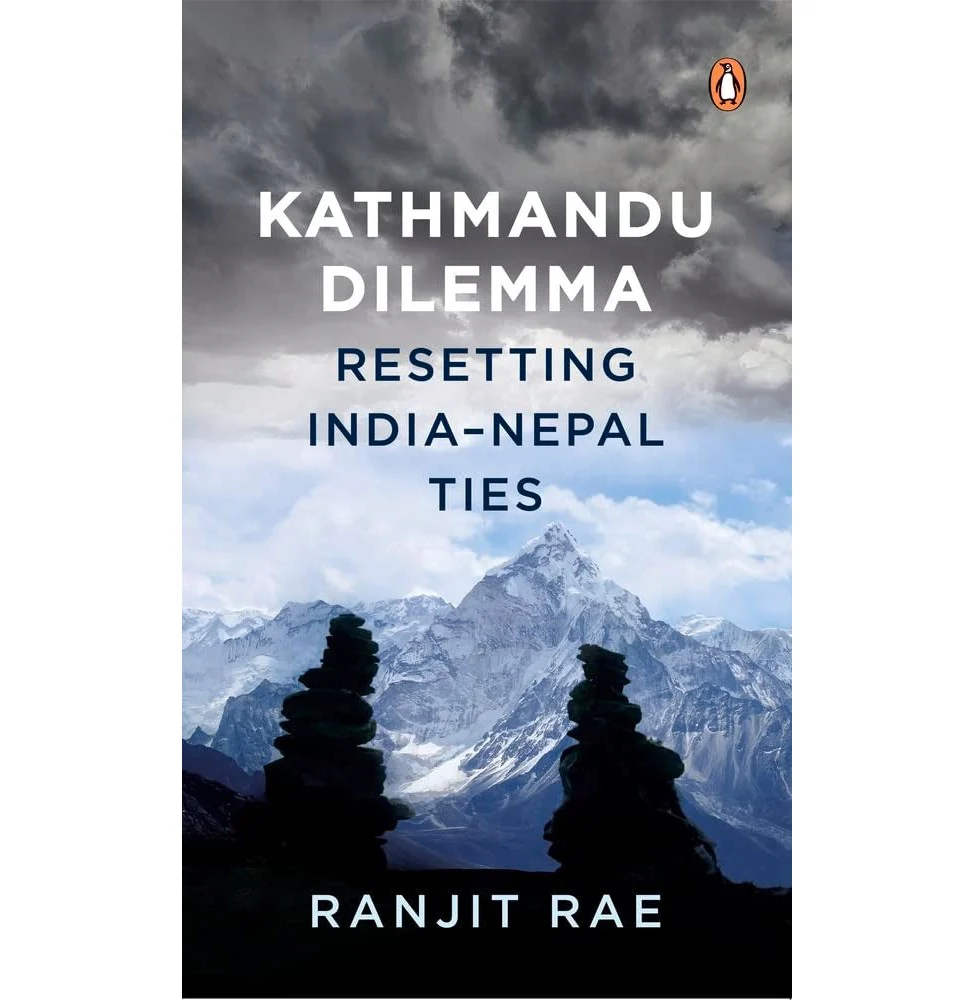
Kathmandu Dilemma: Resetting India Nepal Ties
Kathmandu Dilemma: Resetting India Nepal Ties
Kathmandu Dilemma: Resetting India-Nepal Ties is a rigorous exploration of how two neighboring nations navigate history, identity, and influence. This geopolitical study of India-Nepal relations invites readers—students, policymakers, researchers, and anyone fascinated by South Asian affairs—to understand why this partnership matters today. The tone is insightful, evenhanded, and purposefully constructive, aiming to illuminate paths toward closer cooperation.
Ranjit Rae blends historical context with contemporary developments to chart how Nepal's 21st‑century journey—from ending a violent insurgency to establishing a secular federal democratic republic—reframes bilateral ties with India. The book presents India's perspective with nuance while honoring Nepal's own agency, making complex diplomacy accessible through clear explanations and well‑structured arguments. The writing guides readers through a thoughtful sequence of eras, milestones, and decisions, creating an engaging, readable experience.
Beyond history, the narrative examines the regional balance of power amid the US‑China contest for influence and what that means for trade, security, and governance. The discussion highlights civilizational and economic links that bind the two nations and offers practical takeaways for anyone studying geopolitics or South Asian studies. This is not just a memoir or reportage; it is a comprehensive, synthesis‑oriented analysis that informs current debates about regional stability and cooperation.
- In-depth examination of India-Nepal relations from an Indian perspective
- Historical context plus analysis of Nepal's 21st‑century political transformation
- Insights into regional dynamics and the US‑China influence in South Asia
- Explains civilizational and economic ties that bind the two nations
- Accessible, well‑researched writing suitable for students, professionals, and general readers
After reading Kathmandu Dilemma: Resetting India-Nepal Ties, readers gain a nuanced framework for understanding bilateral potential and the steps needed to strengthen regional cooperation, leaving them with fresh perspectives and a more informed view of South Asia’s future.
Original: $3.64
-70%$3.64
$1.09Product Information
Product Information
Shipping & Returns
Shipping & Returns
Description
Kathmandu Dilemma: Resetting India-Nepal Ties is a rigorous exploration of how two neighboring nations navigate history, identity, and influence. This geopolitical study of India-Nepal relations invites readers—students, policymakers, researchers, and anyone fascinated by South Asian affairs—to understand why this partnership matters today. The tone is insightful, evenhanded, and purposefully constructive, aiming to illuminate paths toward closer cooperation.
Ranjit Rae blends historical context with contemporary developments to chart how Nepal's 21st‑century journey—from ending a violent insurgency to establishing a secular federal democratic republic—reframes bilateral ties with India. The book presents India's perspective with nuance while honoring Nepal's own agency, making complex diplomacy accessible through clear explanations and well‑structured arguments. The writing guides readers through a thoughtful sequence of eras, milestones, and decisions, creating an engaging, readable experience.
Beyond history, the narrative examines the regional balance of power amid the US‑China contest for influence and what that means for trade, security, and governance. The discussion highlights civilizational and economic links that bind the two nations and offers practical takeaways for anyone studying geopolitics or South Asian studies. This is not just a memoir or reportage; it is a comprehensive, synthesis‑oriented analysis that informs current debates about regional stability and cooperation.
- In-depth examination of India-Nepal relations from an Indian perspective
- Historical context plus analysis of Nepal's 21st‑century political transformation
- Insights into regional dynamics and the US‑China influence in South Asia
- Explains civilizational and economic ties that bind the two nations
- Accessible, well‑researched writing suitable for students, professionals, and general readers
After reading Kathmandu Dilemma: Resetting India-Nepal Ties, readers gain a nuanced framework for understanding bilateral potential and the steps needed to strengthen regional cooperation, leaving them with fresh perspectives and a more informed view of South Asia’s future.