Knife
Knife, a gripping memoir by Salman Rushdie, revisits the morning of August 12, 2022, at the Chautauqua Institution, when a knife attack interrupted a talk about safeguarding writers. A literary memoir at its core, it explores resilience, love, and the healing power of literature. Written for adult readers and fans of intimate, candid nonfiction, Knife carries a tender, urgent tone—part reckoning, part testament to the human spirit.
Rushdie writes with urgency and honesty, weaving scenes of family support—especially from his wife Eliza—along with a devoted medical team and a worldwide chorus of readers into a cohesive narrative. The book moves from the shock of the moment to the long, patient work of physical rehabilitation and emotional processing, offering readers an intimate look at vulnerability, resilience, and renewal. Structured as a candid memoir with intimate vignettes, Knife balances hard-hitting detail with reflective turns that illuminate the role of language in healing.
In its pages, key concepts emerge—the indispensability of human connection, the courage to continue, and the idea that literature can help us bear the unimaginable. The prose is clear and accessible, inviting readers to pause, reflect, and reconsider what resilience looks like in everyday life.
- Firsthand account of the attack and its aftermath, told with immediacy and care
- Urgent, intimate memoir voice that grips from page one
- Portraits of Eliza, family, doctors, physical therapists, and a worldwide community of readers
- Exploration of resilience, healing, and the power of literature to help us endure
- Clear, accessible prose and narrative pacing that invites reflection
- Themes of love, loss, memory, and the enduring human spirit
After finishing Knife, readers gain a deeply human understanding of courage, the power of connection, and how art helps us endure the unimaginable. It leaves a sense of hope and a reminder that the act of standing up again—physically and spiritually—can be transformative for individuals and communities alike.
Product Information
Product Information
Shipping & Returns
Shipping & Returns
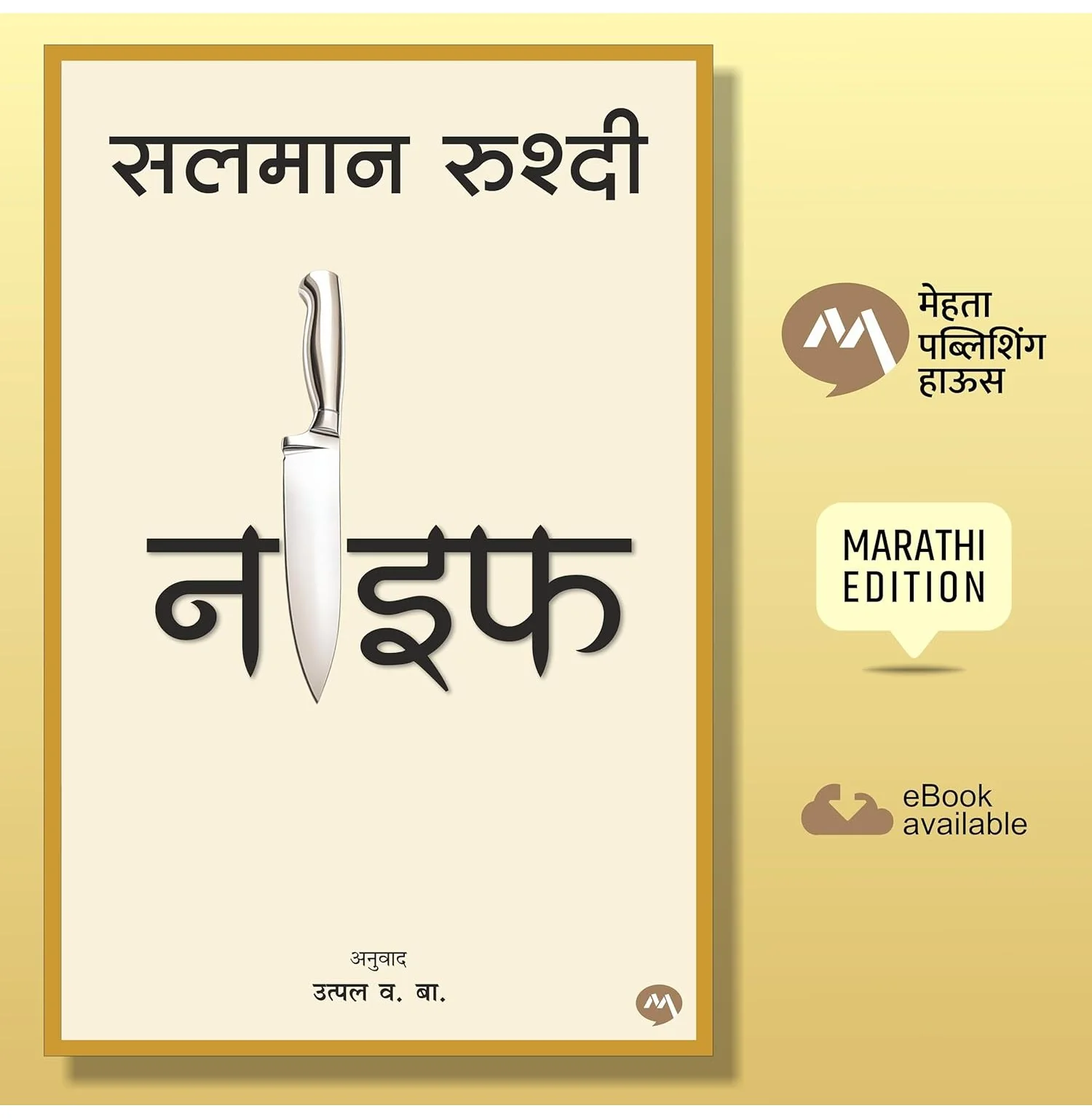
Knife
Knife
Knife, a gripping memoir by Salman Rushdie, revisits the morning of August 12, 2022, at the Chautauqua Institution, when a knife attack interrupted a talk about safeguarding writers. A literary memoir at its core, it explores resilience, love, and the healing power of literature. Written for adult readers and fans of intimate, candid nonfiction, Knife carries a tender, urgent tone—part reckoning, part testament to the human spirit.
Rushdie writes with urgency and honesty, weaving scenes of family support—especially from his wife Eliza—along with a devoted medical team and a worldwide chorus of readers into a cohesive narrative. The book moves from the shock of the moment to the long, patient work of physical rehabilitation and emotional processing, offering readers an intimate look at vulnerability, resilience, and renewal. Structured as a candid memoir with intimate vignettes, Knife balances hard-hitting detail with reflective turns that illuminate the role of language in healing.
In its pages, key concepts emerge—the indispensability of human connection, the courage to continue, and the idea that literature can help us bear the unimaginable. The prose is clear and accessible, inviting readers to pause, reflect, and reconsider what resilience looks like in everyday life.
- Firsthand account of the attack and its aftermath, told with immediacy and care
- Urgent, intimate memoir voice that grips from page one
- Portraits of Eliza, family, doctors, physical therapists, and a worldwide community of readers
- Exploration of resilience, healing, and the power of literature to help us endure
- Clear, accessible prose and narrative pacing that invites reflection
- Themes of love, loss, memory, and the enduring human spirit
After finishing Knife, readers gain a deeply human understanding of courage, the power of connection, and how art helps us endure the unimaginable. It leaves a sense of hope and a reminder that the act of standing up again—physically and spiritually—can be transformative for individuals and communities alike.
Original: $2.92
-70%$2.92
$0.88Product Information
Product Information
Shipping & Returns
Shipping & Returns
Description
Knife, a gripping memoir by Salman Rushdie, revisits the morning of August 12, 2022, at the Chautauqua Institution, when a knife attack interrupted a talk about safeguarding writers. A literary memoir at its core, it explores resilience, love, and the healing power of literature. Written for adult readers and fans of intimate, candid nonfiction, Knife carries a tender, urgent tone—part reckoning, part testament to the human spirit.
Rushdie writes with urgency and honesty, weaving scenes of family support—especially from his wife Eliza—along with a devoted medical team and a worldwide chorus of readers into a cohesive narrative. The book moves from the shock of the moment to the long, patient work of physical rehabilitation and emotional processing, offering readers an intimate look at vulnerability, resilience, and renewal. Structured as a candid memoir with intimate vignettes, Knife balances hard-hitting detail with reflective turns that illuminate the role of language in healing.
In its pages, key concepts emerge—the indispensability of human connection, the courage to continue, and the idea that literature can help us bear the unimaginable. The prose is clear and accessible, inviting readers to pause, reflect, and reconsider what resilience looks like in everyday life.
- Firsthand account of the attack and its aftermath, told with immediacy and care
- Urgent, intimate memoir voice that grips from page one
- Portraits of Eliza, family, doctors, physical therapists, and a worldwide community of readers
- Exploration of resilience, healing, and the power of literature to help us endure
- Clear, accessible prose and narrative pacing that invites reflection
- Themes of love, loss, memory, and the enduring human spirit
After finishing Knife, readers gain a deeply human understanding of courage, the power of connection, and how art helps us endure the unimaginable. It leaves a sense of hope and a reminder that the act of standing up again—physically and spiritually—can be transformative for individuals and communities alike.