Ladybird Class The Tiny Dinosaur: Read I
LADYBIRD CLASS THE TINY DINOSAUR: READ I invites readers to explore a fresh perspective on economics by connecting nature and finance. This non-fiction guide examines how we value the natural world and why it should be part of measuring growth. It’s ideal for curious learners, from teens to adults, who want clear, actionable ideas about sustainability. The tone is thoughtful, hopeful, and educational, offering a meaningful invitation to think differently about the world we share.
Written by Sir Partha Dasgupta, On Natural Capital challenges conventional economic models and shows why the metrics we rely on often present an incomplete picture. The book uses accessible language and vivid analogies—such as comparing economic progress to a football team that measures goals scored but ignores those conceded—to illustrate why nature matters to long-term prosperity. It explains key concepts like natural capital, ecosystem services, and the interdependence of environment and economy, making the case for valuing nature in policy and everyday decisions. The reading experience is engaging through thoughtful storytelling, real-world examples, and a pace that invites reflection.
- Key content elements: natural capital, ecosystem services, sustainability, and policy implications
- Interactive or standout features: clear analogies and real-world case studies that illuminate complex ideas
- Learning outcomes or experiences: understand why nature must be valued in economic thinking and how this shapes decisions
- Writing style: clear, accessible, and engaging non-fiction that invites thoughtful reflection
After finishing LADYBIRD CLASS THE TINY DINOSAUR: READ I, readers will have gained a broader understanding of growth, recognizing that the health of the natural world underpins economic well‑being. This thoughtful book leaves them inspired to think and act with tomorrow in mind, carrying a sense of responsibility into daily choices and future learning, and it serves as a lasting invitation to view economics through the lens of nature—an approach this title, LADYBIRD CLASS THE TINY DINOSAUR: READ I, helps make accessible to all.
Product Information
Product Information
Shipping & Returns
Shipping & Returns
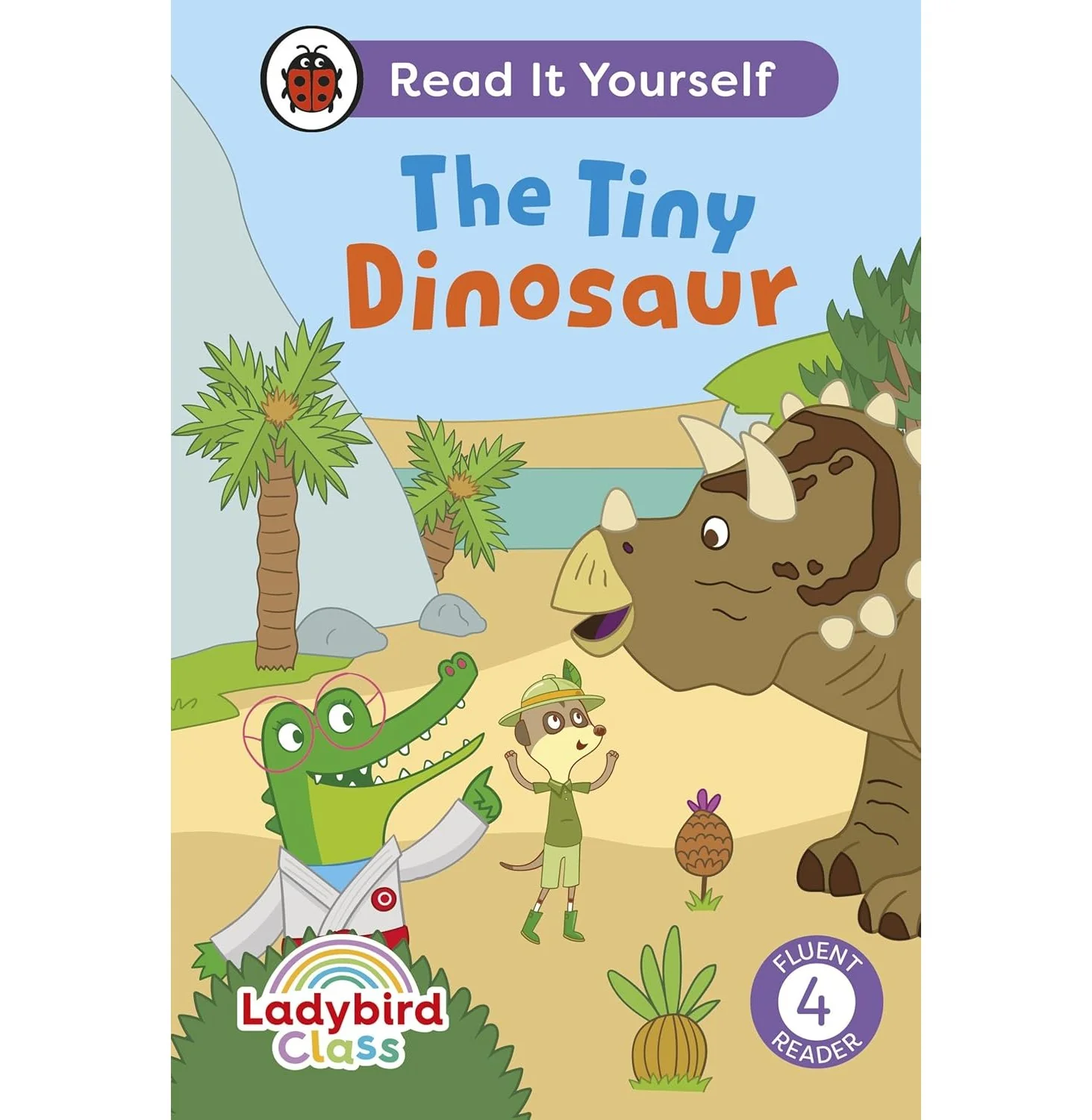
Ladybird Class The Tiny Dinosaur: Read I
Ladybird Class The Tiny Dinosaur: Read I
LADYBIRD CLASS THE TINY DINOSAUR: READ I invites readers to explore a fresh perspective on economics by connecting nature and finance. This non-fiction guide examines how we value the natural world and why it should be part of measuring growth. It’s ideal for curious learners, from teens to adults, who want clear, actionable ideas about sustainability. The tone is thoughtful, hopeful, and educational, offering a meaningful invitation to think differently about the world we share.
Written by Sir Partha Dasgupta, On Natural Capital challenges conventional economic models and shows why the metrics we rely on often present an incomplete picture. The book uses accessible language and vivid analogies—such as comparing economic progress to a football team that measures goals scored but ignores those conceded—to illustrate why nature matters to long-term prosperity. It explains key concepts like natural capital, ecosystem services, and the interdependence of environment and economy, making the case for valuing nature in policy and everyday decisions. The reading experience is engaging through thoughtful storytelling, real-world examples, and a pace that invites reflection.
- Key content elements: natural capital, ecosystem services, sustainability, and policy implications
- Interactive or standout features: clear analogies and real-world case studies that illuminate complex ideas
- Learning outcomes or experiences: understand why nature must be valued in economic thinking and how this shapes decisions
- Writing style: clear, accessible, and engaging non-fiction that invites thoughtful reflection
After finishing LADYBIRD CLASS THE TINY DINOSAUR: READ I, readers will have gained a broader understanding of growth, recognizing that the health of the natural world underpins economic well‑being. This thoughtful book leaves them inspired to think and act with tomorrow in mind, carrying a sense of responsibility into daily choices and future learning, and it serves as a lasting invitation to view economics through the lens of nature—an approach this title, LADYBIRD CLASS THE TINY DINOSAUR: READ I, helps make accessible to all.
Original: $3.19
-70%$3.19
$0.96Product Information
Product Information
Shipping & Returns
Shipping & Returns
Description
LADYBIRD CLASS THE TINY DINOSAUR: READ I invites readers to explore a fresh perspective on economics by connecting nature and finance. This non-fiction guide examines how we value the natural world and why it should be part of measuring growth. It’s ideal for curious learners, from teens to adults, who want clear, actionable ideas about sustainability. The tone is thoughtful, hopeful, and educational, offering a meaningful invitation to think differently about the world we share.
Written by Sir Partha Dasgupta, On Natural Capital challenges conventional economic models and shows why the metrics we rely on often present an incomplete picture. The book uses accessible language and vivid analogies—such as comparing economic progress to a football team that measures goals scored but ignores those conceded—to illustrate why nature matters to long-term prosperity. It explains key concepts like natural capital, ecosystem services, and the interdependence of environment and economy, making the case for valuing nature in policy and everyday decisions. The reading experience is engaging through thoughtful storytelling, real-world examples, and a pace that invites reflection.
- Key content elements: natural capital, ecosystem services, sustainability, and policy implications
- Interactive or standout features: clear analogies and real-world case studies that illuminate complex ideas
- Learning outcomes or experiences: understand why nature must be valued in economic thinking and how this shapes decisions
- Writing style: clear, accessible, and engaging non-fiction that invites thoughtful reflection
After finishing LADYBIRD CLASS THE TINY DINOSAUR: READ I, readers will have gained a broader understanding of growth, recognizing that the health of the natural world underpins economic well‑being. This thoughtful book leaves them inspired to think and act with tomorrow in mind, carrying a sense of responsibility into daily choices and future learning, and it serves as a lasting invitation to view economics through the lens of nature—an approach this title, LADYBIRD CLASS THE TINY DINOSAUR: READ I, helps make accessible to all.