Land Of The Seven Rivers - Paperback
This is a non-fiction history book that examines how geography shaped the course of Indian civilizations. Its central theme is the idea that landscape—river systems, plate tectonics, and climate—has steered where people settle, trade flourishes, and cities rise. The target reader includes adult history enthusiasts and curious teens who want a readable, evidence-based exploration of India’s past. The tone is thoughtful, engaging, and occasionally adventurous, inviting readers to see the landscape as a living driver of culture.
The narrative unfolds as a guided journey through time, weaving geological origins with the growth of urban networks. It blends archaeology, geography, and social history to address big questions—such as whether an ancient great flood occurred, why a Buddhist sermon site mattered, and how early European mapmakers understood a diverse subcontinent. The writing balances rigorous research with accessible storytelling, making complex ideas feel approachable.
Readers move through eras with clear connections between the past and the present, from the origins of major river basins to the rise and fall of urban civilizations. The book invites reflection on how geography, economy, and culture interact, and it offers surprising insights that illuminate both ancient and modern India, including fast-changing cities like Gurgaon.
- Geography-driven history that links river systems, geology, and urban development.
- Thought-provoking questions about ancient floods, sacred sites, and early mapping.
- Rigorous yet accessible writing that blends scholarship with vivid, real-world examples.
- Scope spanning from geological origins to modern Indian urban life, revealing long-term patterns.
- Clear structure with integrated context and narrative pacing that keeps readers engaged.
After finishing, readers gain a refreshed perspective on how geography and history intertwine, an enhanced appreciation for India’s urban heritage, and a curiosity about how landscapes shape civilizations. The book leaves a lasting impression of how past and present are connected, empowering readers to see the world through a geography-informed historical lens.
Product Information
Product Information
Shipping & Returns
Shipping & Returns
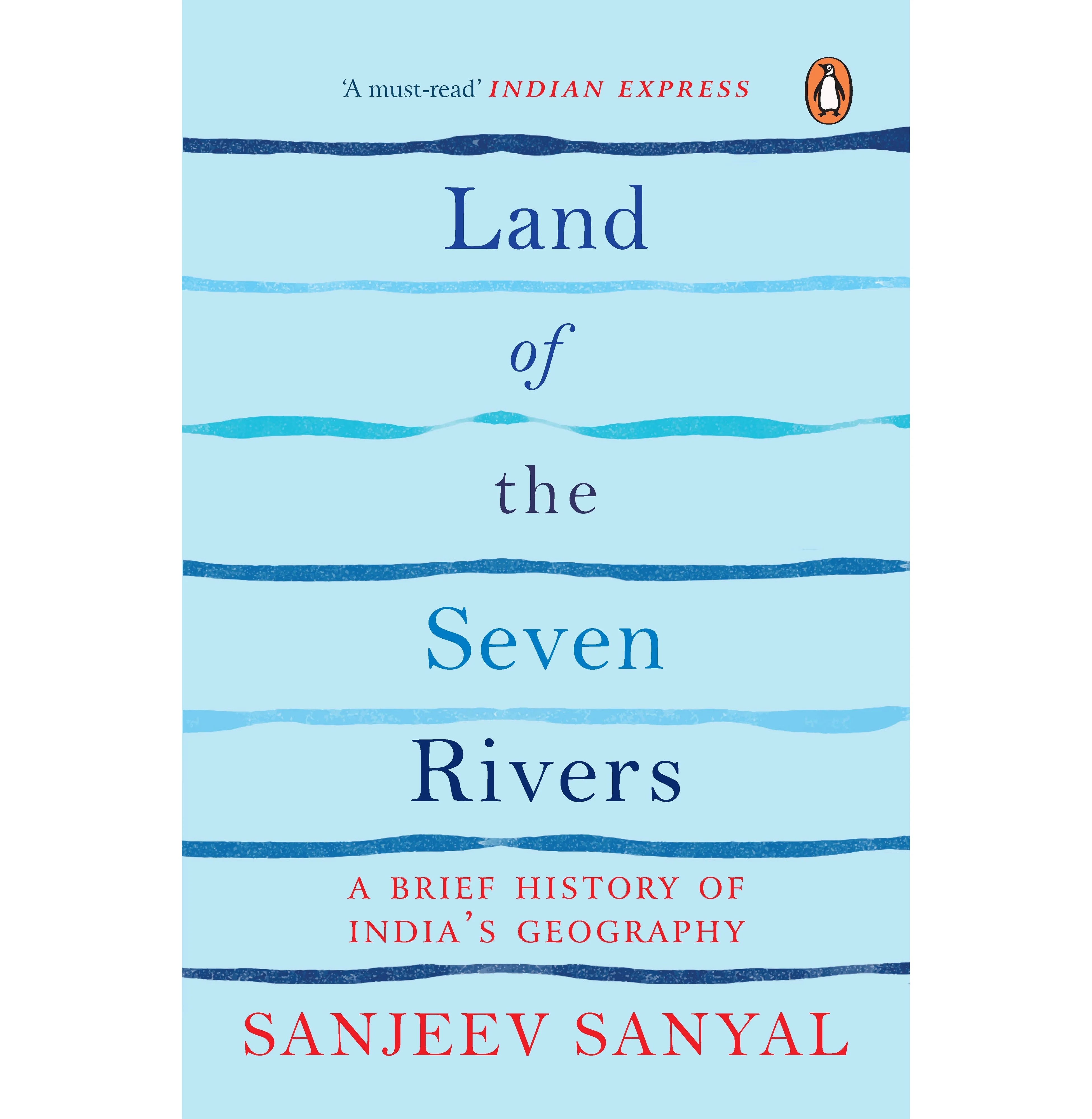
Land Of The Seven Rivers - Paperback
Land Of The Seven Rivers - Paperback
This is a non-fiction history book that examines how geography shaped the course of Indian civilizations. Its central theme is the idea that landscape—river systems, plate tectonics, and climate—has steered where people settle, trade flourishes, and cities rise. The target reader includes adult history enthusiasts and curious teens who want a readable, evidence-based exploration of India’s past. The tone is thoughtful, engaging, and occasionally adventurous, inviting readers to see the landscape as a living driver of culture.
The narrative unfolds as a guided journey through time, weaving geological origins with the growth of urban networks. It blends archaeology, geography, and social history to address big questions—such as whether an ancient great flood occurred, why a Buddhist sermon site mattered, and how early European mapmakers understood a diverse subcontinent. The writing balances rigorous research with accessible storytelling, making complex ideas feel approachable.
Readers move through eras with clear connections between the past and the present, from the origins of major river basins to the rise and fall of urban civilizations. The book invites reflection on how geography, economy, and culture interact, and it offers surprising insights that illuminate both ancient and modern India, including fast-changing cities like Gurgaon.
- Geography-driven history that links river systems, geology, and urban development.
- Thought-provoking questions about ancient floods, sacred sites, and early mapping.
- Rigorous yet accessible writing that blends scholarship with vivid, real-world examples.
- Scope spanning from geological origins to modern Indian urban life, revealing long-term patterns.
- Clear structure with integrated context and narrative pacing that keeps readers engaged.
After finishing, readers gain a refreshed perspective on how geography and history intertwine, an enhanced appreciation for India’s urban heritage, and a curiosity about how landscapes shape civilizations. The book leaves a lasting impression of how past and present are connected, empowering readers to see the world through a geography-informed historical lens.
Product Information
Product Information
Shipping & Returns
Shipping & Returns
Description
This is a non-fiction history book that examines how geography shaped the course of Indian civilizations. Its central theme is the idea that landscape—river systems, plate tectonics, and climate—has steered where people settle, trade flourishes, and cities rise. The target reader includes adult history enthusiasts and curious teens who want a readable, evidence-based exploration of India’s past. The tone is thoughtful, engaging, and occasionally adventurous, inviting readers to see the landscape as a living driver of culture.
The narrative unfolds as a guided journey through time, weaving geological origins with the growth of urban networks. It blends archaeology, geography, and social history to address big questions—such as whether an ancient great flood occurred, why a Buddhist sermon site mattered, and how early European mapmakers understood a diverse subcontinent. The writing balances rigorous research with accessible storytelling, making complex ideas feel approachable.
Readers move through eras with clear connections between the past and the present, from the origins of major river basins to the rise and fall of urban civilizations. The book invites reflection on how geography, economy, and culture interact, and it offers surprising insights that illuminate both ancient and modern India, including fast-changing cities like Gurgaon.
- Geography-driven history that links river systems, geology, and urban development.
- Thought-provoking questions about ancient floods, sacred sites, and early mapping.
- Rigorous yet accessible writing that blends scholarship with vivid, real-world examples.
- Scope spanning from geological origins to modern Indian urban life, revealing long-term patterns.
- Clear structure with integrated context and narrative pacing that keeps readers engaged.
After finishing, readers gain a refreshed perspective on how geography and history intertwine, an enhanced appreciation for India’s urban heritage, and a curiosity about how landscapes shape civilizations. The book leaves a lasting impression of how past and present are connected, empowering readers to see the world through a geography-informed historical lens.