Lolita
Lolita by Vladimir Nabokov is a bold, prize-winning novel that braids memory, desire, and moral reckoning. Set in mid‑century America, the story follows Humbert Humbert, a European intellectual drawn into a dangerous, morally charged fixation with Dolores Haze, the young girl known to him as Lolita. Written for adult readers who crave daring literary fiction, the book's tone is unsettling, intimate, and thought-provoking, inviting you to confront questions about love, power, and responsibility from an unreliable narrator's perspective.
Structured as a confessional, first-person narrative, Lolita uses lush, precise prose, wordplay, and careful pacing to pull you into Humbert's inner world. Nabokov intertwines memory and present action, creating a haunting journey that is as much about storytelling as it is about conscience. The experience is immersive: lyrical passages sit alongside sharp observations, while the rhythm shifts to reflect Humbert's shifting moods and justifications, making the reading feel both seductive and morally alarming.
Although the surface reads like a literary thriller, Lolita invites careful attention to key concepts—power, obsession, innocence, and the consequences of desire. It presents a difficult conversation about art, manipulation, and accountability, all while exploring a relationship that challenges social norms. The book rewards readers who engage with its complexities, offering a lasting impression long after the final page.
- Masterful, stylized prose with Nabokov's signature wordplay
- Unreliable narrator whose confessions invite critical reflection
- Tightly paced narrative blending memory, guilt, and moral inquiry
- Exploration of obsession, power, innocence, and the consequences of desire
- Vivid European and American settings that anchor the story
After finishing Lolita, readers are left with a nuanced understanding of desire and accountability, challenging assumptions about love and manipulation. Nabokov's masterful craftsmanship offers lasting value as a study in human psychology and the power of language to illuminate uncomfortable truths.
Product Information
Product Information
Shipping & Returns
Shipping & Returns
Lolita
Lolita
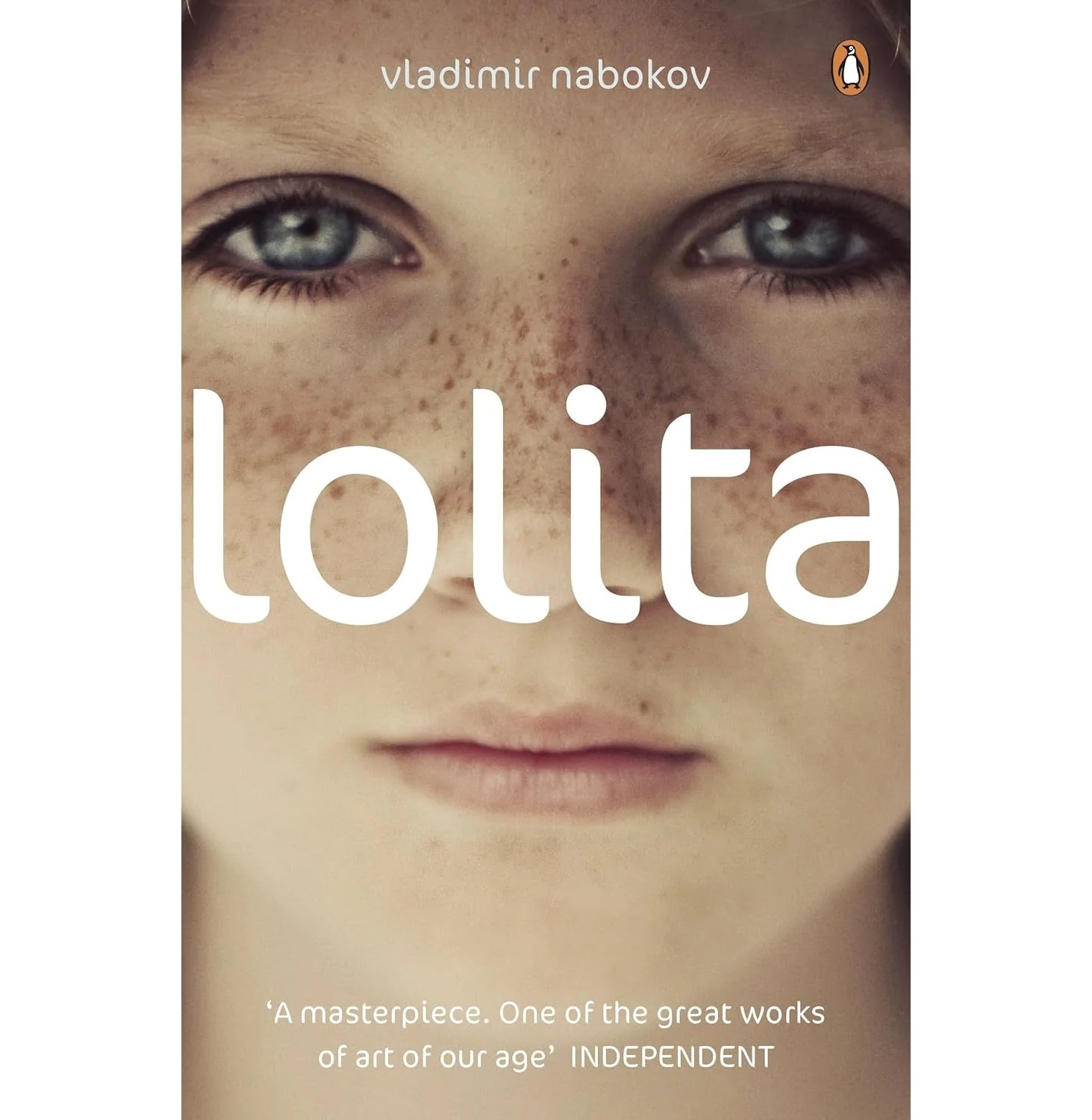
Lolita by Vladimir Nabokov is a bold, prize-winning novel that braids memory, desire, and moral reckoning. Set in mid‑century America, the story follows Humbert Humbert, a European intellectual drawn into a dangerous, morally charged fixation with Dolores Haze, the young girl known to him as Lolita. Written for adult readers who crave daring literary fiction, the book's tone is unsettling, intimate, and thought-provoking, inviting you to confront questions about love, power, and responsibility from an unreliable narrator's perspective.
Structured as a confessional, first-person narrative, Lolita uses lush, precise prose, wordplay, and careful pacing to pull you into Humbert's inner world. Nabokov intertwines memory and present action, creating a haunting journey that is as much about storytelling as it is about conscience. The experience is immersive: lyrical passages sit alongside sharp observations, while the rhythm shifts to reflect Humbert's shifting moods and justifications, making the reading feel both seductive and morally alarming.
Although the surface reads like a literary thriller, Lolita invites careful attention to key concepts—power, obsession, innocence, and the consequences of desire. It presents a difficult conversation about art, manipulation, and accountability, all while exploring a relationship that challenges social norms. The book rewards readers who engage with its complexities, offering a lasting impression long after the final page.
- Masterful, stylized prose with Nabokov's signature wordplay
- Unreliable narrator whose confessions invite critical reflection
- Tightly paced narrative blending memory, guilt, and moral inquiry
- Exploration of obsession, power, innocence, and the consequences of desire
- Vivid European and American settings that anchor the story
After finishing Lolita, readers are left with a nuanced understanding of desire and accountability, challenging assumptions about love and manipulation. Nabokov's masterful craftsmanship offers lasting value as a study in human psychology and the power of language to illuminate uncomfortable truths.
Original: $5.47
-70%$5.47
$1.64Product Information
Product Information
Shipping & Returns
Shipping & Returns
Description
Lolita by Vladimir Nabokov is a bold, prize-winning novel that braids memory, desire, and moral reckoning. Set in mid‑century America, the story follows Humbert Humbert, a European intellectual drawn into a dangerous, morally charged fixation with Dolores Haze, the young girl known to him as Lolita. Written for adult readers who crave daring literary fiction, the book's tone is unsettling, intimate, and thought-provoking, inviting you to confront questions about love, power, and responsibility from an unreliable narrator's perspective.
Structured as a confessional, first-person narrative, Lolita uses lush, precise prose, wordplay, and careful pacing to pull you into Humbert's inner world. Nabokov intertwines memory and present action, creating a haunting journey that is as much about storytelling as it is about conscience. The experience is immersive: lyrical passages sit alongside sharp observations, while the rhythm shifts to reflect Humbert's shifting moods and justifications, making the reading feel both seductive and morally alarming.
Although the surface reads like a literary thriller, Lolita invites careful attention to key concepts—power, obsession, innocence, and the consequences of desire. It presents a difficult conversation about art, manipulation, and accountability, all while exploring a relationship that challenges social norms. The book rewards readers who engage with its complexities, offering a lasting impression long after the final page.
- Masterful, stylized prose with Nabokov's signature wordplay
- Unreliable narrator whose confessions invite critical reflection
- Tightly paced narrative blending memory, guilt, and moral inquiry
- Exploration of obsession, power, innocence, and the consequences of desire
- Vivid European and American settings that anchor the story
After finishing Lolita, readers are left with a nuanced understanding of desire and accountability, challenging assumptions about love and manipulation. Nabokov's masterful craftsmanship offers lasting value as a study in human psychology and the power of language to illuminate uncomfortable truths.