Metaphors Of Memory: Healing Through Past And Current Life Regression A Doctor’S Perspective
Metaphors of Memory: Healing Through Past and Current Life Regression - A Doctor’s Perspective reveals how our memories shape present behavior, blending medical insight with the mystery of regression therapy. This non-fiction work, written for adults curious about psychology, healing, and personal growth, invites readers who crave thoughtful, evidence-guided exploration of past-life and current-life regression. The tone is hopeful and educational, offering comfort and curiosity in equal measure.
Structured around real-life case narratives and clinical commentary, the book guides readers through how regression sessions unfold, what patients experience, and how such insights can illuminate a path to healing. Dr. Sharma explains how subconscious patterns are accessed, how releasing limiting beliefs and energies can support recovery, and how regression therapy can complement conventional treatment. The writing balances medical context with accessible storytelling, making the material engaging for both professionals and lay readers. The book also highlights the practicalities of practice—ethical considerations, safety, and the collaboration between traditional medicine and alternative approaches—and demystifies the practice for those considering a journey inward.
Readers will encounter clear explanations of key concepts—past-life and current-life regressions, subconscious imprinting, and holistic healing—woven into narratives that emphasize empathy, patient care, and personal empowerment. The author’s background as a paediatrician and educator lends credibility, while his research presentations and meditation training inform a grounded, compassionate perspective. Whether you’re exploring healing for yourself, seeking new tools for patient care, or simply curious about how memory can guide wellbeing, Metaphors of Memory offers a thoughtful entry point.
- Key content elements: past-life regression concepts, current-life patterns, real-life case studies
- Interactive or standout features: clinical explanations, therapist insights, ethical considerations
- Learning outcomes or experiences: understanding subconscious patterns, pathways to healing, integration with medical care
- Writing or illustration style: warm, accessible narrative from a physician's perspective
After reading Metaphors of Memory: Healing Through Past and Current Life Regression - A Doctor’s Perspective, readers gain a framework for understanding how memory influences present behavior, a sense of agency in healing, and a compassionate view of holistic wellbeing that respects both science and the human experience.
Product Information
Product Information
Shipping & Returns
Shipping & Returns
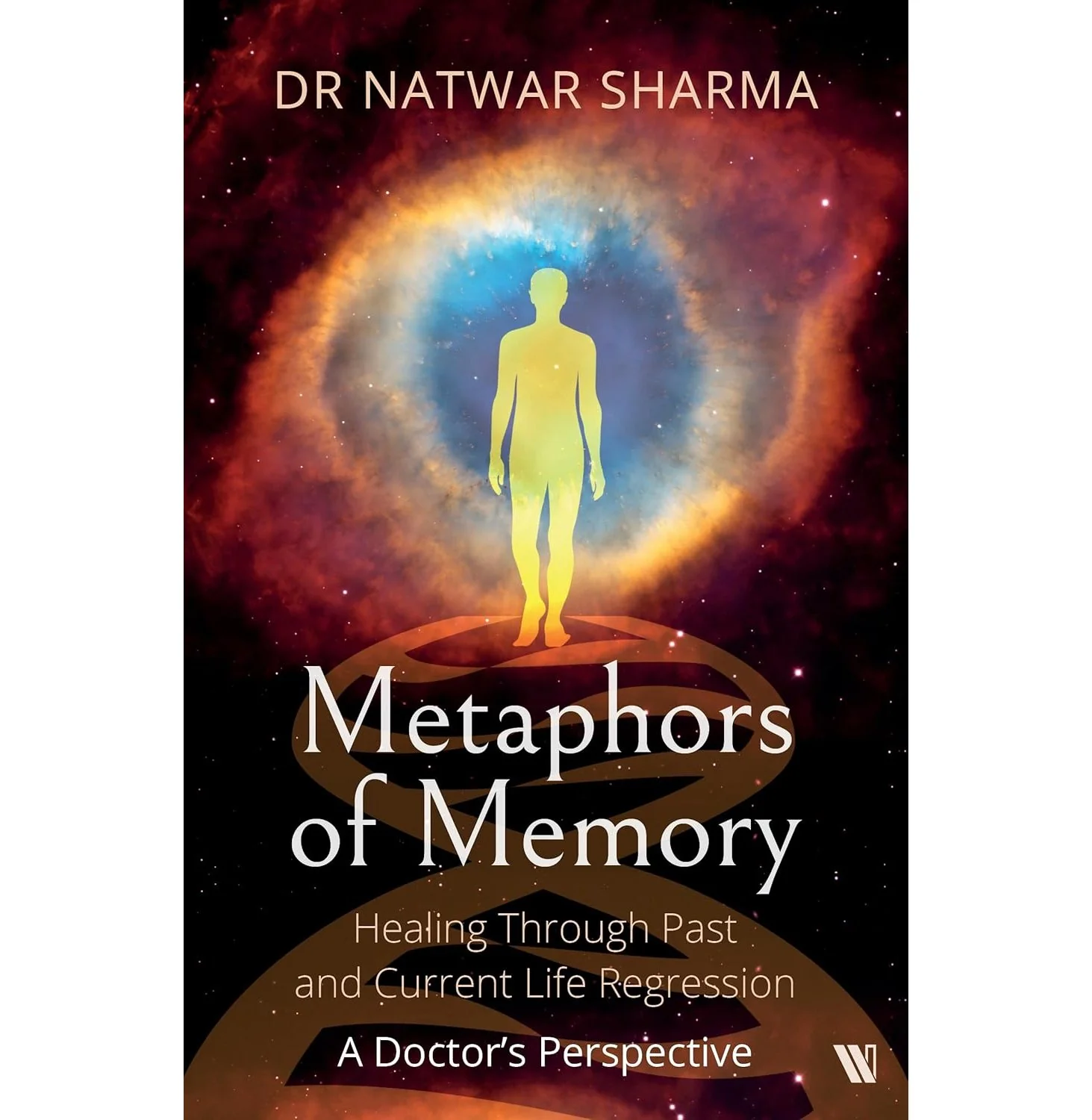
Metaphors Of Memory: Healing Through Past And Current Life Regression A Doctor’S Perspective
Metaphors Of Memory: Healing Through Past And Current Life Regression A Doctor’S Perspective
Metaphors of Memory: Healing Through Past and Current Life Regression - A Doctor’s Perspective reveals how our memories shape present behavior, blending medical insight with the mystery of regression therapy. This non-fiction work, written for adults curious about psychology, healing, and personal growth, invites readers who crave thoughtful, evidence-guided exploration of past-life and current-life regression. The tone is hopeful and educational, offering comfort and curiosity in equal measure.
Structured around real-life case narratives and clinical commentary, the book guides readers through how regression sessions unfold, what patients experience, and how such insights can illuminate a path to healing. Dr. Sharma explains how subconscious patterns are accessed, how releasing limiting beliefs and energies can support recovery, and how regression therapy can complement conventional treatment. The writing balances medical context with accessible storytelling, making the material engaging for both professionals and lay readers. The book also highlights the practicalities of practice—ethical considerations, safety, and the collaboration between traditional medicine and alternative approaches—and demystifies the practice for those considering a journey inward.
Readers will encounter clear explanations of key concepts—past-life and current-life regressions, subconscious imprinting, and holistic healing—woven into narratives that emphasize empathy, patient care, and personal empowerment. The author’s background as a paediatrician and educator lends credibility, while his research presentations and meditation training inform a grounded, compassionate perspective. Whether you’re exploring healing for yourself, seeking new tools for patient care, or simply curious about how memory can guide wellbeing, Metaphors of Memory offers a thoughtful entry point.
- Key content elements: past-life regression concepts, current-life patterns, real-life case studies
- Interactive or standout features: clinical explanations, therapist insights, ethical considerations
- Learning outcomes or experiences: understanding subconscious patterns, pathways to healing, integration with medical care
- Writing or illustration style: warm, accessible narrative from a physician's perspective
After reading Metaphors of Memory: Healing Through Past and Current Life Regression - A Doctor’s Perspective, readers gain a framework for understanding how memory influences present behavior, a sense of agency in healing, and a compassionate view of holistic wellbeing that respects both science and the human experience.
Original: $3.64
-70%$3.64
$1.09Product Information
Product Information
Shipping & Returns
Shipping & Returns
Description
Metaphors of Memory: Healing Through Past and Current Life Regression - A Doctor’s Perspective reveals how our memories shape present behavior, blending medical insight with the mystery of regression therapy. This non-fiction work, written for adults curious about psychology, healing, and personal growth, invites readers who crave thoughtful, evidence-guided exploration of past-life and current-life regression. The tone is hopeful and educational, offering comfort and curiosity in equal measure.
Structured around real-life case narratives and clinical commentary, the book guides readers through how regression sessions unfold, what patients experience, and how such insights can illuminate a path to healing. Dr. Sharma explains how subconscious patterns are accessed, how releasing limiting beliefs and energies can support recovery, and how regression therapy can complement conventional treatment. The writing balances medical context with accessible storytelling, making the material engaging for both professionals and lay readers. The book also highlights the practicalities of practice—ethical considerations, safety, and the collaboration between traditional medicine and alternative approaches—and demystifies the practice for those considering a journey inward.
Readers will encounter clear explanations of key concepts—past-life and current-life regressions, subconscious imprinting, and holistic healing—woven into narratives that emphasize empathy, patient care, and personal empowerment. The author’s background as a paediatrician and educator lends credibility, while his research presentations and meditation training inform a grounded, compassionate perspective. Whether you’re exploring healing for yourself, seeking new tools for patient care, or simply curious about how memory can guide wellbeing, Metaphors of Memory offers a thoughtful entry point.
- Key content elements: past-life regression concepts, current-life patterns, real-life case studies
- Interactive or standout features: clinical explanations, therapist insights, ethical considerations
- Learning outcomes or experiences: understanding subconscious patterns, pathways to healing, integration with medical care
- Writing or illustration style: warm, accessible narrative from a physician's perspective
After reading Metaphors of Memory: Healing Through Past and Current Life Regression - A Doctor’s Perspective, readers gain a framework for understanding how memory influences present behavior, a sense of agency in healing, and a compassionate view of holistic wellbeing that respects both science and the human experience.