Migrants And Machine Politics: How India'S Urban Poor Seek Representation And Responsiveness: 53 (Princeton Studies In Political Behavior)
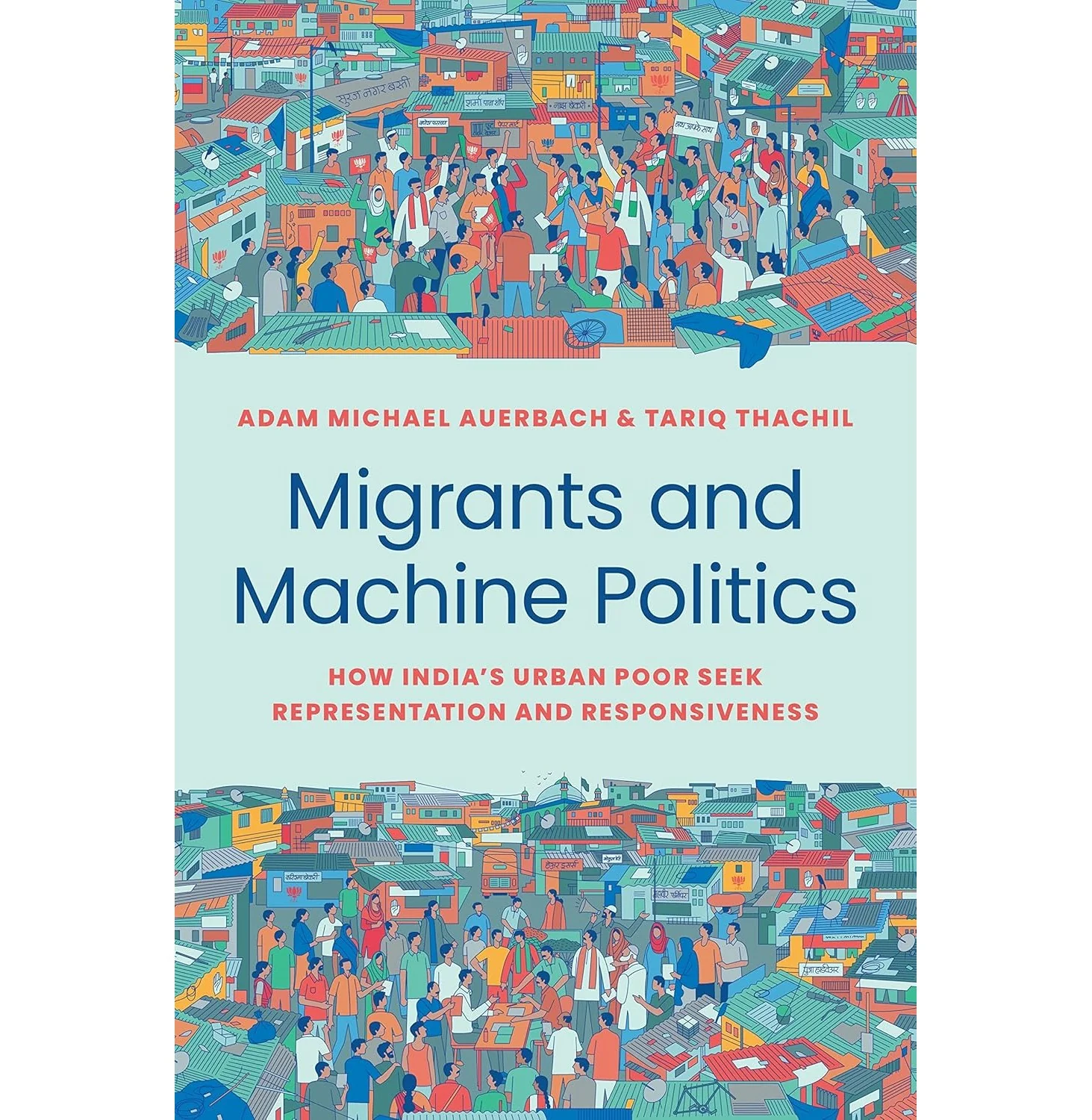
Migrants and Machine Politics: How India's Urban Poor Seek Representation and Responsiveness is a rigorous, timely examination of how rapid urbanization reshapes power in Indian cities. A volume in the Princeton Studies in Political Behavior, this book blends political science with urban sociology to show that poor migrants are not passive, but active agents who demand rights and accountability. It speaks to students of political behavior, urban studies, policymakers, and anyone curious about grassroots political engagement, delivering an educational and empowering take on the Global South.
Through ethnographic observation, interviews, and surveys, the authors reveal that slum residents are not passive victims but active shapers of city politics—forming networks, councils, and relationships that demand responsiveness from leaders. The chapters braid micro-level stories with cross-city patterns, showing how migrants navigate elections, party work, and community leadership to secure services and voice. The book's structure balances theory with concrete cases, making complex ideas on migration, urban governance, representation, accountability, and grassroots mobilization accessible without sacrificing rigor.
- In-depth analysis of migrant political agency in urban India
- Ethnographic fieldwork: observations, interviews, and surveys
- Exploration of political machine networks and accountability mechanisms
- Fresh perspective on representation of slum residents and their role in governance
- Broad relevance to urbanization and migration in the Global South
After finishing Migrants and Machine Politics, readers gain a nuanced understanding of how the urban poor influence policy, feel empowered by the agency of everyday voters, and carry away a framework for assessing governance and accountability in rapidly urbanizing contexts. This study offers a hopeful, informed view of how representation can emerge from within marginalized urban spaces and why the voices of migrants matter for the future of cities.
Product Information
Product Information
Shipping & Returns
Shipping & Returns
Migrants And Machine Politics: How India'S Urban Poor Seek Representation And Responsiveness: 53 (Princeton Studies In Political Behavior)
Migrants And Machine Politics: How India'S Urban Poor Seek Representation And Responsiveness: 53 (Princeton Studies In Political Behavior)
Migrants and Machine Politics: How India's Urban Poor Seek Representation and Responsiveness is a rigorous, timely examination of how rapid urbanization reshapes power in Indian cities. A volume in the Princeton Studies in Political Behavior, this book blends political science with urban sociology to show that poor migrants are not passive, but active agents who demand rights and accountability. It speaks to students of political behavior, urban studies, policymakers, and anyone curious about grassroots political engagement, delivering an educational and empowering take on the Global South.
Through ethnographic observation, interviews, and surveys, the authors reveal that slum residents are not passive victims but active shapers of city politics—forming networks, councils, and relationships that demand responsiveness from leaders. The chapters braid micro-level stories with cross-city patterns, showing how migrants navigate elections, party work, and community leadership to secure services and voice. The book's structure balances theory with concrete cases, making complex ideas on migration, urban governance, representation, accountability, and grassroots mobilization accessible without sacrificing rigor.
- In-depth analysis of migrant political agency in urban India
- Ethnographic fieldwork: observations, interviews, and surveys
- Exploration of political machine networks and accountability mechanisms
- Fresh perspective on representation of slum residents and their role in governance
- Broad relevance to urbanization and migration in the Global South
After finishing Migrants and Machine Politics, readers gain a nuanced understanding of how the urban poor influence policy, feel empowered by the agency of everyday voters, and carry away a framework for assessing governance and accountability in rapidly urbanizing contexts. This study offers a hopeful, informed view of how representation can emerge from within marginalized urban spaces and why the voices of migrants matter for the future of cities.
Original: $13.69
-70%$13.69
$4.11Product Information
Product Information
Shipping & Returns
Shipping & Returns
Description
Migrants and Machine Politics: How India's Urban Poor Seek Representation and Responsiveness is a rigorous, timely examination of how rapid urbanization reshapes power in Indian cities. A volume in the Princeton Studies in Political Behavior, this book blends political science with urban sociology to show that poor migrants are not passive, but active agents who demand rights and accountability. It speaks to students of political behavior, urban studies, policymakers, and anyone curious about grassroots political engagement, delivering an educational and empowering take on the Global South.
Through ethnographic observation, interviews, and surveys, the authors reveal that slum residents are not passive victims but active shapers of city politics—forming networks, councils, and relationships that demand responsiveness from leaders. The chapters braid micro-level stories with cross-city patterns, showing how migrants navigate elections, party work, and community leadership to secure services and voice. The book's structure balances theory with concrete cases, making complex ideas on migration, urban governance, representation, accountability, and grassroots mobilization accessible without sacrificing rigor.
- In-depth analysis of migrant political agency in urban India
- Ethnographic fieldwork: observations, interviews, and surveys
- Exploration of political machine networks and accountability mechanisms
- Fresh perspective on representation of slum residents and their role in governance
- Broad relevance to urbanization and migration in the Global South
After finishing Migrants and Machine Politics, readers gain a nuanced understanding of how the urban poor influence policy, feel empowered by the agency of everyday voters, and carry away a framework for assessing governance and accountability in rapidly urbanizing contexts. This study offers a hopeful, informed view of how representation can emerge from within marginalized urban spaces and why the voices of migrants matter for the future of cities.