Nexus
Nexus traces how information moves—from books that sparked revolutions to algorithms that steer our conversations. Yuval Noah Harari, a renowned historian and thought leader, guides readers through the networks that connect us, the promises of boundless knowledge, and the risks of misinformation. Written for curious minds—from students to general readers—this urgent, thoughtful work invites you to consider who we are becoming in the digital age.
Structured as a sweeping journey through ideas and technologies, Nexus blends history, philosophy, and contemporary science into a cohesive narrative. Harari's clear, accessible voice gathers long timelines and sharp insights into a story you can follow without a background in tech, yet with plenty to ponder. The experience is engaging because it links grand shifts—printing presses, networks, data, and AI—to everyday life, asking not just what happened, but why it matters today.
Key concepts unfold piece by piece: how information networks spread beliefs, how myths become shared narratives, how the digital age promises endless knowledge while intensifying division and misinformation. The book presents ideas in an approachable pace, weaving case studies, historical parallels, and provocative questions that invite reflection rather than dictate conclusions. For readers drawn to big questions, Nexus offers a framework for thinking about technology, power, and human values—and it does so with a voice that is both rigorous and human.
- Key content elements: the arc from printing and books to the internet, social networks, and AI; myths, beliefs, and how information travels
- Interactive or standout features: accessible narrative, provocative questions, real-world case studies that connect past and present
- Learning outcomes or experiences: helps readers understand how information networks shape politics, culture, and everyday life; fosters critical thinking about technology and trust
- Writing or illustration style: clear, scholarly yet warm; wide historical scope with practical relevance
Reading Nexus leaves you with a clearer map of our digital world and a framework for making informed choices—both as individuals and as part of a global community. It invites reflection, curiosity, and a renewed sense of responsibility for the future we build together.
Product Information
Product Information
Shipping & Returns
Shipping & Returns
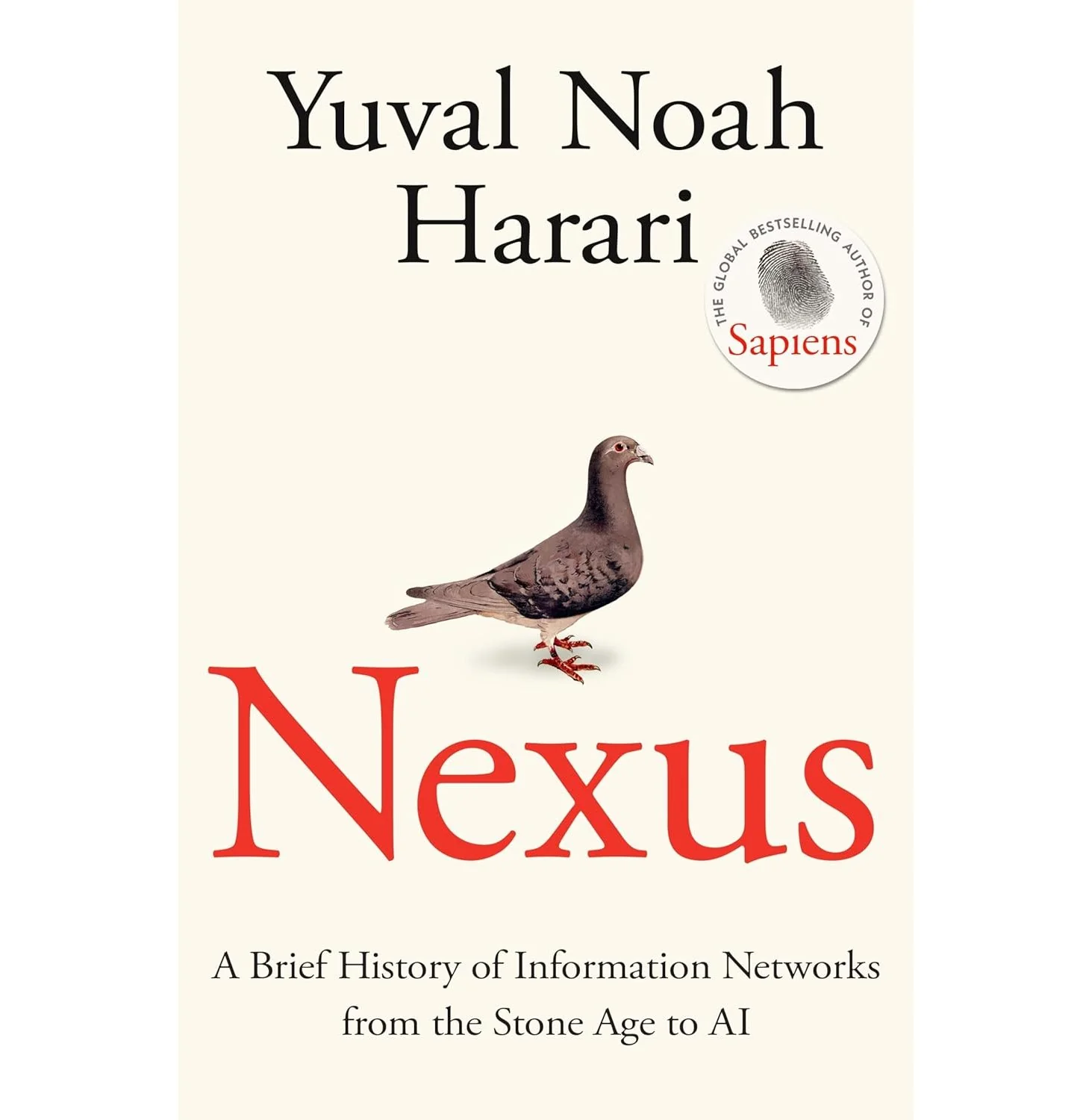
Nexus
Nexus
Nexus traces how information moves—from books that sparked revolutions to algorithms that steer our conversations. Yuval Noah Harari, a renowned historian and thought leader, guides readers through the networks that connect us, the promises of boundless knowledge, and the risks of misinformation. Written for curious minds—from students to general readers—this urgent, thoughtful work invites you to consider who we are becoming in the digital age.
Structured as a sweeping journey through ideas and technologies, Nexus blends history, philosophy, and contemporary science into a cohesive narrative. Harari's clear, accessible voice gathers long timelines and sharp insights into a story you can follow without a background in tech, yet with plenty to ponder. The experience is engaging because it links grand shifts—printing presses, networks, data, and AI—to everyday life, asking not just what happened, but why it matters today.
Key concepts unfold piece by piece: how information networks spread beliefs, how myths become shared narratives, how the digital age promises endless knowledge while intensifying division and misinformation. The book presents ideas in an approachable pace, weaving case studies, historical parallels, and provocative questions that invite reflection rather than dictate conclusions. For readers drawn to big questions, Nexus offers a framework for thinking about technology, power, and human values—and it does so with a voice that is both rigorous and human.
- Key content elements: the arc from printing and books to the internet, social networks, and AI; myths, beliefs, and how information travels
- Interactive or standout features: accessible narrative, provocative questions, real-world case studies that connect past and present
- Learning outcomes or experiences: helps readers understand how information networks shape politics, culture, and everyday life; fosters critical thinking about technology and trust
- Writing or illustration style: clear, scholarly yet warm; wide historical scope with practical relevance
Reading Nexus leaves you with a clearer map of our digital world and a framework for making informed choices—both as individuals and as part of a global community. It invites reflection, curiosity, and a renewed sense of responsibility for the future we build together.
Original: $7.30
-70%$7.30
$2.19Product Information
Product Information
Shipping & Returns
Shipping & Returns
Description
Nexus traces how information moves—from books that sparked revolutions to algorithms that steer our conversations. Yuval Noah Harari, a renowned historian and thought leader, guides readers through the networks that connect us, the promises of boundless knowledge, and the risks of misinformation. Written for curious minds—from students to general readers—this urgent, thoughtful work invites you to consider who we are becoming in the digital age.
Structured as a sweeping journey through ideas and technologies, Nexus blends history, philosophy, and contemporary science into a cohesive narrative. Harari's clear, accessible voice gathers long timelines and sharp insights into a story you can follow without a background in tech, yet with plenty to ponder. The experience is engaging because it links grand shifts—printing presses, networks, data, and AI—to everyday life, asking not just what happened, but why it matters today.
Key concepts unfold piece by piece: how information networks spread beliefs, how myths become shared narratives, how the digital age promises endless knowledge while intensifying division and misinformation. The book presents ideas in an approachable pace, weaving case studies, historical parallels, and provocative questions that invite reflection rather than dictate conclusions. For readers drawn to big questions, Nexus offers a framework for thinking about technology, power, and human values—and it does so with a voice that is both rigorous and human.
- Key content elements: the arc from printing and books to the internet, social networks, and AI; myths, beliefs, and how information travels
- Interactive or standout features: accessible narrative, provocative questions, real-world case studies that connect past and present
- Learning outcomes or experiences: helps readers understand how information networks shape politics, culture, and everyday life; fosters critical thinking about technology and trust
- Writing or illustration style: clear, scholarly yet warm; wide historical scope with practical relevance
Reading Nexus leaves you with a clearer map of our digital world and a framework for making informed choices—both as individuals and as part of a global community. It invites reflection, curiosity, and a renewed sense of responsibility for the future we build together.