Pax Sinica: Implications For The Indian Dawn
Pax Sinica: Implications For The Indian Dawn invites readers into the remarkable story of Nawab Wajid Ali Shah, the last king of Awadh, whose exile to Metiabruz becomes a luminous testament to resilience and cultural revival. This meticulously researched historical narrative blends biography and cultural history, written for history enthusiasts, students, and anyone drawn to royal legacies and moments when culture endures beyond empire. The tone is inspiring and reflective, balancing tragedy with beauty to illuminate how a homeland can endure in new forms.
In Pax Sinica: Implications For The Indian Dawn, the book unfolds with careful archival rigor and a warm, narrative voice. The chapters trace the fall from throne, the exile to Metiabruz on the Hoogly, and the emergence of a vibrant mini-kingdom where Awadhi culture flourishes along the river. The author interweaves political context, personal dignity, and cultural memory to show how a ruler transformed pain into a lasting legacy, turning a private sorrow into a public heritage.
Readers will feel the texture of daily life along the Hooghly—music, etiquette, crafts, and the distinctive Awadhi lifestyle that gave Metiabruz its character, affectionately known as Chota Ucknow. This is more than a historical account; it’s a living journey that bridges past and present, inviting reflection on tenacity, cultural memory, and the human spirit’s power to create beauty from adversity.
- Historical portrait of Nawab Wajid Ali Shah, the last king of Awadh, and his enduring impact
- Exile to Metiabruz and the emergence of a vibrant Awadhi enclave on the Hoogly
- Cultural revival through daily life, art, music, and community along the river
- Meticulously researched narrative with evocative, accessible prose
- Themes of resilience and the power of culture to persist beyond political change
- Clear writing style that blends biography, history, and cultural storytelling
After finishing Pax Sinica: Implications For The Indian Dawn, readers gain a deeper appreciation for tenacity and the ways culture can endure and flourish under pressure. The book leaves you feeling reflective, inspired, and connected to a forgotten king’s elegant legacy, proving that beauty can triumph even after exile.
Product Information
Product Information
Shipping & Returns
Shipping & Returns
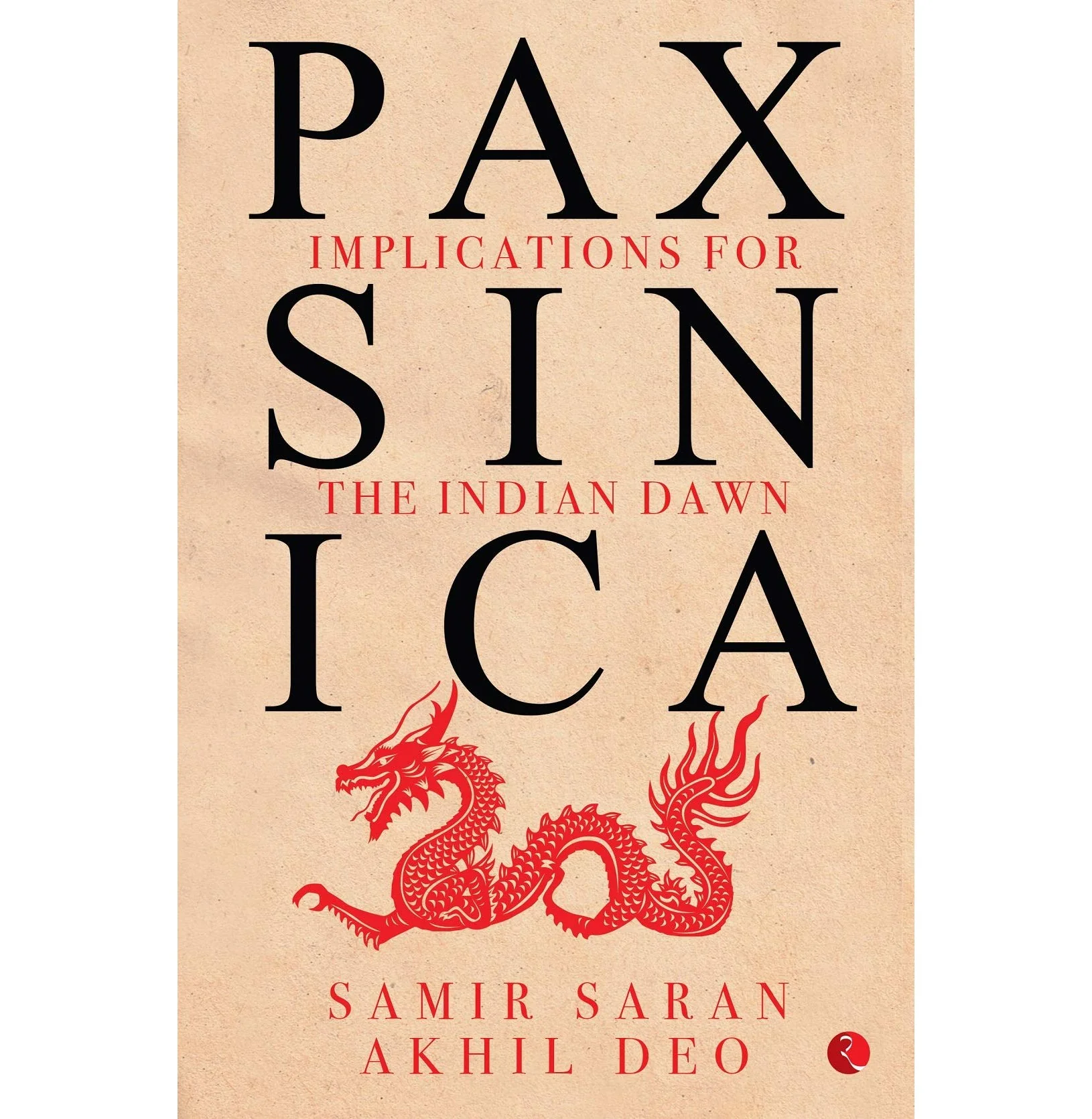
Pax Sinica: Implications For The Indian Dawn
Pax Sinica: Implications For The Indian Dawn
Pax Sinica: Implications For The Indian Dawn invites readers into the remarkable story of Nawab Wajid Ali Shah, the last king of Awadh, whose exile to Metiabruz becomes a luminous testament to resilience and cultural revival. This meticulously researched historical narrative blends biography and cultural history, written for history enthusiasts, students, and anyone drawn to royal legacies and moments when culture endures beyond empire. The tone is inspiring and reflective, balancing tragedy with beauty to illuminate how a homeland can endure in new forms.
In Pax Sinica: Implications For The Indian Dawn, the book unfolds with careful archival rigor and a warm, narrative voice. The chapters trace the fall from throne, the exile to Metiabruz on the Hoogly, and the emergence of a vibrant mini-kingdom where Awadhi culture flourishes along the river. The author interweaves political context, personal dignity, and cultural memory to show how a ruler transformed pain into a lasting legacy, turning a private sorrow into a public heritage.
Readers will feel the texture of daily life along the Hooghly—music, etiquette, crafts, and the distinctive Awadhi lifestyle that gave Metiabruz its character, affectionately known as Chota Ucknow. This is more than a historical account; it’s a living journey that bridges past and present, inviting reflection on tenacity, cultural memory, and the human spirit’s power to create beauty from adversity.
- Historical portrait of Nawab Wajid Ali Shah, the last king of Awadh, and his enduring impact
- Exile to Metiabruz and the emergence of a vibrant Awadhi enclave on the Hoogly
- Cultural revival through daily life, art, music, and community along the river
- Meticulously researched narrative with evocative, accessible prose
- Themes of resilience and the power of culture to persist beyond political change
- Clear writing style that blends biography, history, and cultural storytelling
After finishing Pax Sinica: Implications For The Indian Dawn, readers gain a deeper appreciation for tenacity and the ways culture can endure and flourish under pressure. The book leaves you feeling reflective, inspired, and connected to a forgotten king’s elegant legacy, proving that beauty can triumph even after exile.
Original: $5.43
-70%$5.43
$1.63Product Information
Product Information
Shipping & Returns
Shipping & Returns
Description
Pax Sinica: Implications For The Indian Dawn invites readers into the remarkable story of Nawab Wajid Ali Shah, the last king of Awadh, whose exile to Metiabruz becomes a luminous testament to resilience and cultural revival. This meticulously researched historical narrative blends biography and cultural history, written for history enthusiasts, students, and anyone drawn to royal legacies and moments when culture endures beyond empire. The tone is inspiring and reflective, balancing tragedy with beauty to illuminate how a homeland can endure in new forms.
In Pax Sinica: Implications For The Indian Dawn, the book unfolds with careful archival rigor and a warm, narrative voice. The chapters trace the fall from throne, the exile to Metiabruz on the Hoogly, and the emergence of a vibrant mini-kingdom where Awadhi culture flourishes along the river. The author interweaves political context, personal dignity, and cultural memory to show how a ruler transformed pain into a lasting legacy, turning a private sorrow into a public heritage.
Readers will feel the texture of daily life along the Hooghly—music, etiquette, crafts, and the distinctive Awadhi lifestyle that gave Metiabruz its character, affectionately known as Chota Ucknow. This is more than a historical account; it’s a living journey that bridges past and present, inviting reflection on tenacity, cultural memory, and the human spirit’s power to create beauty from adversity.
- Historical portrait of Nawab Wajid Ali Shah, the last king of Awadh, and his enduring impact
- Exile to Metiabruz and the emergence of a vibrant Awadhi enclave on the Hoogly
- Cultural revival through daily life, art, music, and community along the river
- Meticulously researched narrative with evocative, accessible prose
- Themes of resilience and the power of culture to persist beyond political change
- Clear writing style that blends biography, history, and cultural storytelling
After finishing Pax Sinica: Implications For The Indian Dawn, readers gain a deeper appreciation for tenacity and the ways culture can endure and flourish under pressure. The book leaves you feeling reflective, inspired, and connected to a forgotten king’s elegant legacy, proving that beauty can triumph even after exile.