Prisoners Of History
Prisoners of History is a timely exploration of how nations remember their pasts through monuments and memorials. Part history, part cultural analysis, the book surveys postwar memorials around the world to reveal how memory is shaped by politics, identity, and shifting values. Written for curious readers, students, and anyone fascinated by the power of symbols, this engaging, thoughtful work invites you to rethink what we choose to etch in stone—and why it matters.
Keith Lowe threads together global examples—from Germany’s complicated postwar choices to a controversial bronze statue of a girl in Seoul and Russia’s prolific victory monuments—showing how Prisoners of History uses monuments as lenses on national memory. The book moves through careful case studies, historical context, and contemporary debates with a clear thread guiding readers across time and place. Its accessible, thoughtful prose makes dense ideas feel alive, while the narrative cadence keeps you turning pages without losing sight of the big questions about memory and power.
- Global monuments as windows into postwar memory and national identity
- Case studies from Germany, Korea, Russia, and beyond that reveal how memory is negotiated
- Accessible, narrative-driven non-fiction that invites reflection rather than overwhelm
- Key concepts such as memory politics, symbolism, accountability, and historical revision
- Engaging pace that blends historical context with contemporary debate
After finishing Prisoners of History, readers gain a more nuanced view of how monuments shape our values and identities. It invites you to look at public memorials with curiosity and skepticism, recognizing the power of symbols to both unite and divide. The book leaves you with a lasting sense of responsibility about how we remember—and what we choose to build next.
Product Information
Product Information
Shipping & Returns
Shipping & Returns
Prisoners Of History
Prisoners Of History
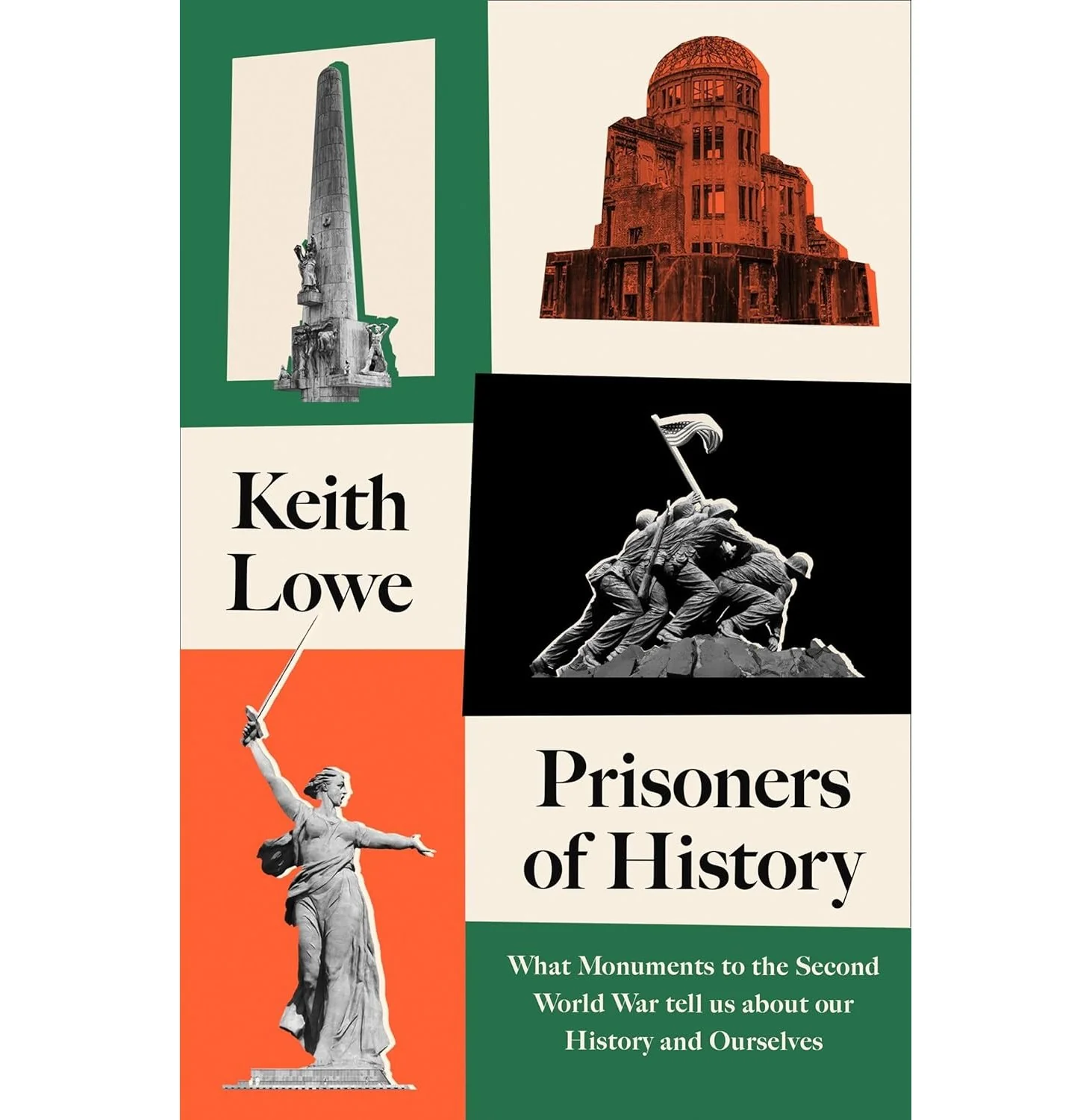
Prisoners of History is a timely exploration of how nations remember their pasts through monuments and memorials. Part history, part cultural analysis, the book surveys postwar memorials around the world to reveal how memory is shaped by politics, identity, and shifting values. Written for curious readers, students, and anyone fascinated by the power of symbols, this engaging, thoughtful work invites you to rethink what we choose to etch in stone—and why it matters.
Keith Lowe threads together global examples—from Germany’s complicated postwar choices to a controversial bronze statue of a girl in Seoul and Russia’s prolific victory monuments—showing how Prisoners of History uses monuments as lenses on national memory. The book moves through careful case studies, historical context, and contemporary debates with a clear thread guiding readers across time and place. Its accessible, thoughtful prose makes dense ideas feel alive, while the narrative cadence keeps you turning pages without losing sight of the big questions about memory and power.
- Global monuments as windows into postwar memory and national identity
- Case studies from Germany, Korea, Russia, and beyond that reveal how memory is negotiated
- Accessible, narrative-driven non-fiction that invites reflection rather than overwhelm
- Key concepts such as memory politics, symbolism, accountability, and historical revision
- Engaging pace that blends historical context with contemporary debate
After finishing Prisoners of History, readers gain a more nuanced view of how monuments shape our values and identities. It invites you to look at public memorials with curiosity and skepticism, recognizing the power of symbols to both unite and divide. The book leaves you with a lasting sense of responsibility about how we remember—and what we choose to build next.
Product Information
Product Information
Shipping & Returns
Shipping & Returns
Description
Prisoners of History is a timely exploration of how nations remember their pasts through monuments and memorials. Part history, part cultural analysis, the book surveys postwar memorials around the world to reveal how memory is shaped by politics, identity, and shifting values. Written for curious readers, students, and anyone fascinated by the power of symbols, this engaging, thoughtful work invites you to rethink what we choose to etch in stone—and why it matters.
Keith Lowe threads together global examples—from Germany’s complicated postwar choices to a controversial bronze statue of a girl in Seoul and Russia’s prolific victory monuments—showing how Prisoners of History uses monuments as lenses on national memory. The book moves through careful case studies, historical context, and contemporary debates with a clear thread guiding readers across time and place. Its accessible, thoughtful prose makes dense ideas feel alive, while the narrative cadence keeps you turning pages without losing sight of the big questions about memory and power.
- Global monuments as windows into postwar memory and national identity
- Case studies from Germany, Korea, Russia, and beyond that reveal how memory is negotiated
- Accessible, narrative-driven non-fiction that invites reflection rather than overwhelm
- Key concepts such as memory politics, symbolism, accountability, and historical revision
- Engaging pace that blends historical context with contemporary debate
After finishing Prisoners of History, readers gain a more nuanced view of how monuments shape our values and identities. It invites you to look at public memorials with curiosity and skepticism, recognizing the power of symbols to both unite and divide. The book leaves you with a lasting sense of responsibility about how we remember—and what we choose to build next.