Pushing Gods Out
Pushing Gods Out is a sharp, sardonic novel about Shanti, who is married into a clan of human gods. In Rampal’s world—Keeper of Rama, Ramdas, Rampyari, Ramprasad, and others—the divine lineage is also a dynastic pressure, with Rama portrayed as both garden deity and symbol of the family’s fate. They wait for Rama to be born, while Shanti longs to push him out and break the invisible chains that bind her body, mind, and soul. This trans-generational study of patriarchy, power, and longing is written for adult readers who relish literary fiction with wit, moral complexity, and a piercing, compassionate eye. The tone is sardonic yet human, balancing bite with empathy to reveal how tradition can cage even those who seem to rule it.
Written in a warm, lucid voice, the book unfolds through intimate scenes that braid myth, ritual, and everyday life. It invites readers to linger on conversations, the rituals of the garden, and the quiet rebellions that simmer beneath propriety. Shanti’s secret chess maneuvers become a potent metaphor for strategy and resistance, giving the narrative a sly, forward-moving pace even as it probes the heavy gravity of family obligation. The storytelling blends lyrical detail with sharp dialogue, making the world feel both timeless and unsettlingly relevant as it examines who gets to decide what family, love, and freedom mean.
- A piercing, multi-generational examination of patriarchy in a god-haunted world
- Centered on Shanti and Rama, with a vivid ensemble of family and ritual
- Sardonic, tragicomic tone that pairs social critique with intimate humanity
- Rich, lyrical prose and vivid cultural detail with memorable dialogue
- Chess imagery and strategic resistance as a motif for autonomy and change
- Thoughtful reflections on power, duty, love, and the price of tradition
Readers finish Pushing Gods Out with a deeper understanding of how culture shapes desire and authority, and with a sense of resilience that can emerge from difficult truths. The book invites you to rethink what it means to break free—while acknowledging the costs and the courage involved—leaving you thoughtful, privy to nuance, and oddly hopeful about change.
Product Information
Product Information
Shipping & Returns
Shipping & Returns
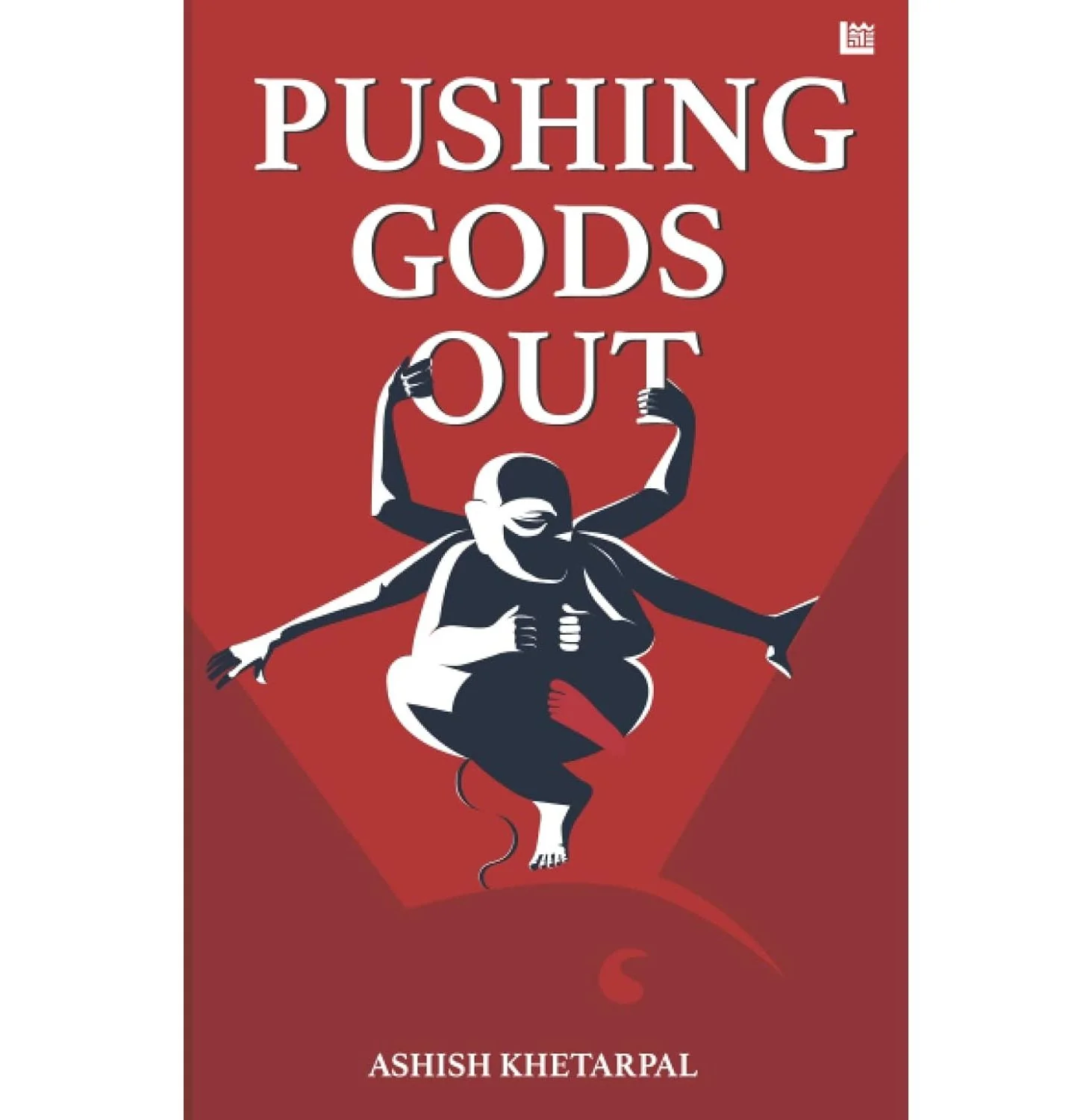

Pushing Gods Out
Pushing Gods Out
Pushing Gods Out is a sharp, sardonic novel about Shanti, who is married into a clan of human gods. In Rampal’s world—Keeper of Rama, Ramdas, Rampyari, Ramprasad, and others—the divine lineage is also a dynastic pressure, with Rama portrayed as both garden deity and symbol of the family’s fate. They wait for Rama to be born, while Shanti longs to push him out and break the invisible chains that bind her body, mind, and soul. This trans-generational study of patriarchy, power, and longing is written for adult readers who relish literary fiction with wit, moral complexity, and a piercing, compassionate eye. The tone is sardonic yet human, balancing bite with empathy to reveal how tradition can cage even those who seem to rule it.
Written in a warm, lucid voice, the book unfolds through intimate scenes that braid myth, ritual, and everyday life. It invites readers to linger on conversations, the rituals of the garden, and the quiet rebellions that simmer beneath propriety. Shanti’s secret chess maneuvers become a potent metaphor for strategy and resistance, giving the narrative a sly, forward-moving pace even as it probes the heavy gravity of family obligation. The storytelling blends lyrical detail with sharp dialogue, making the world feel both timeless and unsettlingly relevant as it examines who gets to decide what family, love, and freedom mean.
- A piercing, multi-generational examination of patriarchy in a god-haunted world
- Centered on Shanti and Rama, with a vivid ensemble of family and ritual
- Sardonic, tragicomic tone that pairs social critique with intimate humanity
- Rich, lyrical prose and vivid cultural detail with memorable dialogue
- Chess imagery and strategic resistance as a motif for autonomy and change
- Thoughtful reflections on power, duty, love, and the price of tradition
Readers finish Pushing Gods Out with a deeper understanding of how culture shapes desire and authority, and with a sense of resilience that can emerge from difficult truths. The book invites you to rethink what it means to break free—while acknowledging the costs and the courage involved—leaving you thoughtful, privy to nuance, and oddly hopeful about change.
Original: $4.56
-70%$4.56
$1.37Product Information
Product Information
Shipping & Returns
Shipping & Returns
Description
Pushing Gods Out is a sharp, sardonic novel about Shanti, who is married into a clan of human gods. In Rampal’s world—Keeper of Rama, Ramdas, Rampyari, Ramprasad, and others—the divine lineage is also a dynastic pressure, with Rama portrayed as both garden deity and symbol of the family’s fate. They wait for Rama to be born, while Shanti longs to push him out and break the invisible chains that bind her body, mind, and soul. This trans-generational study of patriarchy, power, and longing is written for adult readers who relish literary fiction with wit, moral complexity, and a piercing, compassionate eye. The tone is sardonic yet human, balancing bite with empathy to reveal how tradition can cage even those who seem to rule it.
Written in a warm, lucid voice, the book unfolds through intimate scenes that braid myth, ritual, and everyday life. It invites readers to linger on conversations, the rituals of the garden, and the quiet rebellions that simmer beneath propriety. Shanti’s secret chess maneuvers become a potent metaphor for strategy and resistance, giving the narrative a sly, forward-moving pace even as it probes the heavy gravity of family obligation. The storytelling blends lyrical detail with sharp dialogue, making the world feel both timeless and unsettlingly relevant as it examines who gets to decide what family, love, and freedom mean.
- A piercing, multi-generational examination of patriarchy in a god-haunted world
- Centered on Shanti and Rama, with a vivid ensemble of family and ritual
- Sardonic, tragicomic tone that pairs social critique with intimate humanity
- Rich, lyrical prose and vivid cultural detail with memorable dialogue
- Chess imagery and strategic resistance as a motif for autonomy and change
- Thoughtful reflections on power, duty, love, and the price of tradition
Readers finish Pushing Gods Out with a deeper understanding of how culture shapes desire and authority, and with a sense of resilience that can emerge from difficult truths. The book invites you to rethink what it means to break free—while acknowledging the costs and the courage involved—leaving you thoughtful, privy to nuance, and oddly hopeful about change.