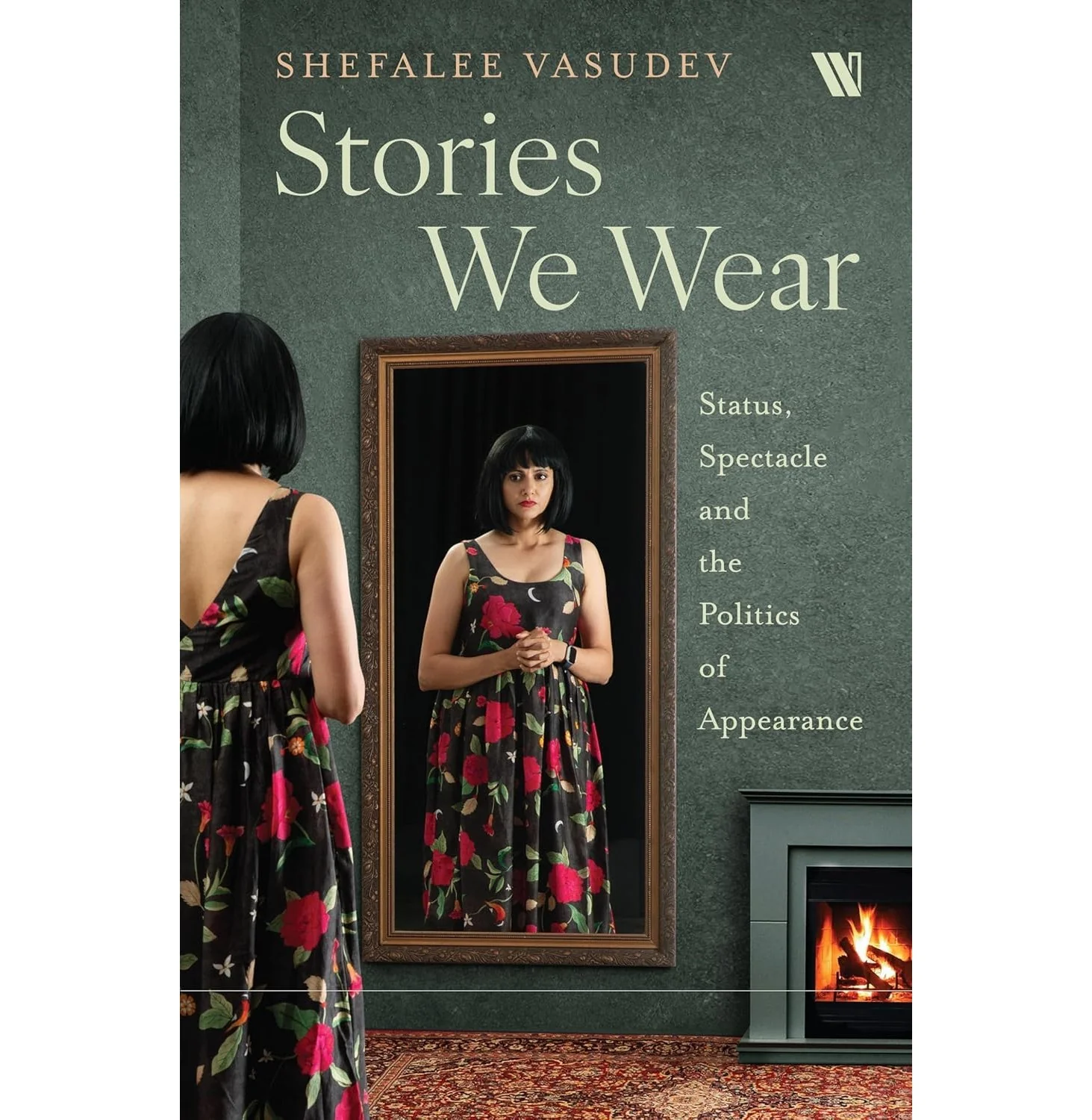
Stories We Wear: Status, Spectacle and the Politics of Appearance
This non-fiction collection blends reportage, cultural critique, and narrative psychology to examine how clothing and style shape who we are in contemporary India. Through signals of power, humility, rebellion, and grief, it asks what our appearance communicates about identity, belonging, and resistance. Written for readers curious about culture, fashion, and social life, the tone is thoughtful, inviting, and sometimes provocative—encouraging a closer look at everyday choices and their larger meanings.
The book presents a cross-section of Indian life, moving through villages, hospital wards, cafés, cremation grounds, and buzzing social feeds, weaving interviews, field notes, and historical context. The narrative treats fashion as a language—one that reveals histories, hierarchies, and aspirations—as it traces how we signal status, humility, or dissent in public and private spaces. Readers encounter a distinctive blend of reportage and cultural critique that makes weighty ideas accessible and tangible.
Concepts covered include the politics of appearance, the history of textiles and fashion in India (such as the contested legacy of khadi), the ethics of consumption, and the role of media in shaping style. The writing invites readers to think critically about who is seen and why, and how personal attire intersects with memory, identity, and social change. Learning feels accessible through vivid scenes, interviews, and real-life examples that connect fashion to everyday life.
- Cross-cultural observations across diverse spaces—villages, urban centers, and digital feeds
- Appearance as language that signals identity, belonging, and resistance
- Historical and contemporary fashion contexts—khadi’s legacy, airport culture, ethical fashion
- Fusion of reportage, cultural critique, and narrative psychology
- Vivid scenes and interviews that connect personal style to broader social currents
- Clear, accessible prose with reflective insights for readers
Readers will finish with a nuanced understanding of how dress communicates power, grief, and aspiration, and how these signals shape their own perceptions and choices. The book invites curiosity, empathy, and a more conscious relationship with appearance, leaving a lasting impression about the role style plays in personal and public life.
Product Information
Product Information
Shipping & Returns
Shipping & Returns
Stories We Wear: Status, Spectacle and the Politics of Appearance
Stories We Wear: Status, Spectacle and the Politics of Appearance
This non-fiction collection blends reportage, cultural critique, and narrative psychology to examine how clothing and style shape who we are in contemporary India. Through signals of power, humility, rebellion, and grief, it asks what our appearance communicates about identity, belonging, and resistance. Written for readers curious about culture, fashion, and social life, the tone is thoughtful, inviting, and sometimes provocative—encouraging a closer look at everyday choices and their larger meanings.
The book presents a cross-section of Indian life, moving through villages, hospital wards, cafés, cremation grounds, and buzzing social feeds, weaving interviews, field notes, and historical context. The narrative treats fashion as a language—one that reveals histories, hierarchies, and aspirations—as it traces how we signal status, humility, or dissent in public and private spaces. Readers encounter a distinctive blend of reportage and cultural critique that makes weighty ideas accessible and tangible.
Concepts covered include the politics of appearance, the history of textiles and fashion in India (such as the contested legacy of khadi), the ethics of consumption, and the role of media in shaping style. The writing invites readers to think critically about who is seen and why, and how personal attire intersects with memory, identity, and social change. Learning feels accessible through vivid scenes, interviews, and real-life examples that connect fashion to everyday life.
- Cross-cultural observations across diverse spaces—villages, urban centers, and digital feeds
- Appearance as language that signals identity, belonging, and resistance
- Historical and contemporary fashion contexts—khadi’s legacy, airport culture, ethical fashion
- Fusion of reportage, cultural critique, and narrative psychology
- Vivid scenes and interviews that connect personal style to broader social currents
- Clear, accessible prose with reflective insights for readers
Readers will finish with a nuanced understanding of how dress communicates power, grief, and aspiration, and how these signals shape their own perceptions and choices. The book invites curiosity, empathy, and a more conscious relationship with appearance, leaving a lasting impression about the role style plays in personal and public life.
Original: $6.38
-70%$6.38
$1.91Product Information
Product Information
Shipping & Returns
Shipping & Returns
Description
This non-fiction collection blends reportage, cultural critique, and narrative psychology to examine how clothing and style shape who we are in contemporary India. Through signals of power, humility, rebellion, and grief, it asks what our appearance communicates about identity, belonging, and resistance. Written for readers curious about culture, fashion, and social life, the tone is thoughtful, inviting, and sometimes provocative—encouraging a closer look at everyday choices and their larger meanings.
The book presents a cross-section of Indian life, moving through villages, hospital wards, cafés, cremation grounds, and buzzing social feeds, weaving interviews, field notes, and historical context. The narrative treats fashion as a language—one that reveals histories, hierarchies, and aspirations—as it traces how we signal status, humility, or dissent in public and private spaces. Readers encounter a distinctive blend of reportage and cultural critique that makes weighty ideas accessible and tangible.
Concepts covered include the politics of appearance, the history of textiles and fashion in India (such as the contested legacy of khadi), the ethics of consumption, and the role of media in shaping style. The writing invites readers to think critically about who is seen and why, and how personal attire intersects with memory, identity, and social change. Learning feels accessible through vivid scenes, interviews, and real-life examples that connect fashion to everyday life.
- Cross-cultural observations across diverse spaces—villages, urban centers, and digital feeds
- Appearance as language that signals identity, belonging, and resistance
- Historical and contemporary fashion contexts—khadi’s legacy, airport culture, ethical fashion
- Fusion of reportage, cultural critique, and narrative psychology
- Vivid scenes and interviews that connect personal style to broader social currents
- Clear, accessible prose with reflective insights for readers
Readers will finish with a nuanced understanding of how dress communicates power, grief, and aspiration, and how these signals shape their own perceptions and choices. The book invites curiosity, empathy, and a more conscious relationship with appearance, leaving a lasting impression about the role style plays in personal and public life.