The Art Of Interrogation: Mastering Techniques, Psychology, And Strategy In Modern Interrogation
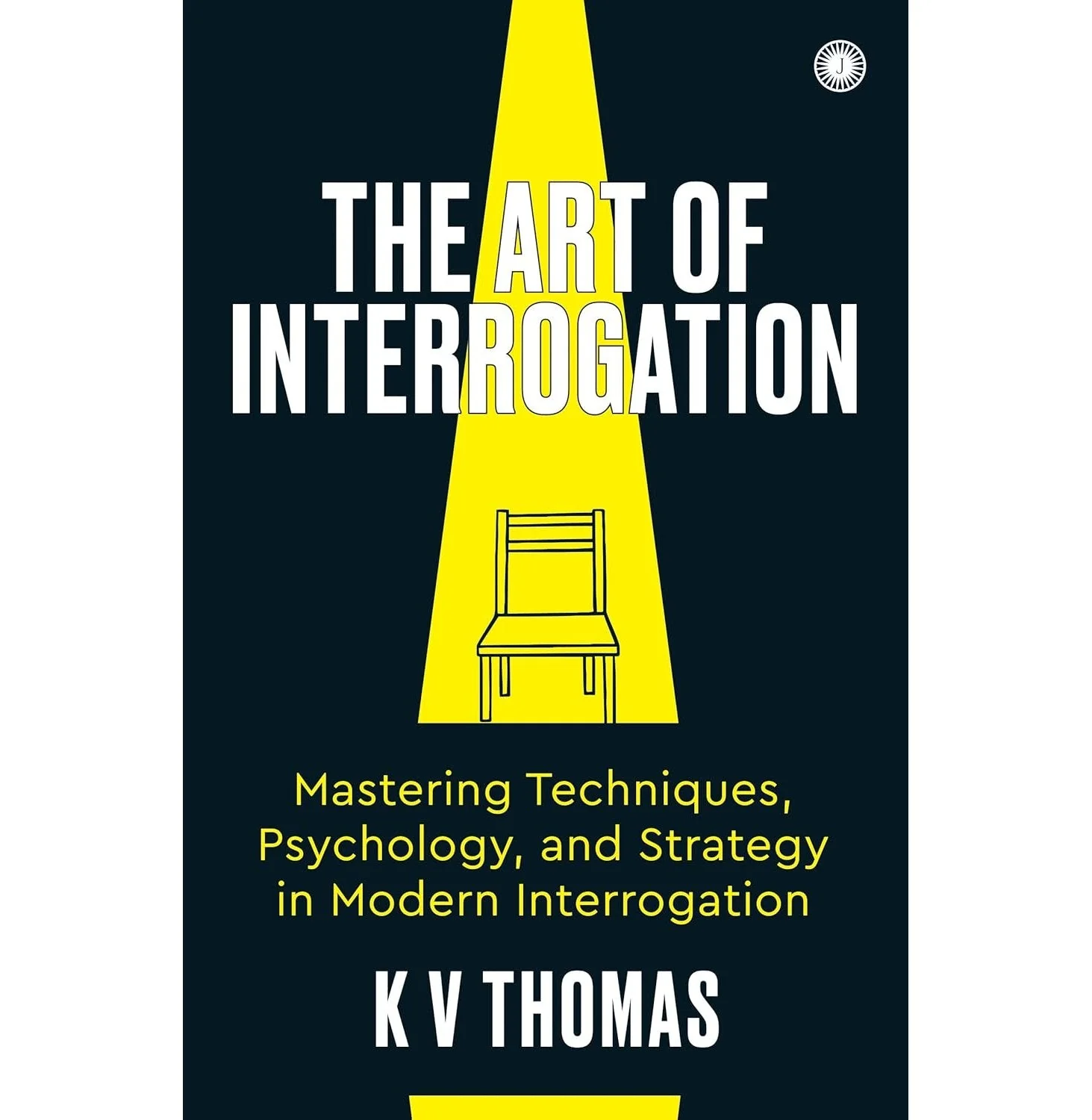
The Art Of Interrogation: Mastering Techniques, Psychology, And Strategy In Modern Interrogation offers a clear, insightful look at how interrogation works in the modern world. This non-fiction work blends psychology, strategy, and practical techniques to illuminate the art and science behind questioning in law enforcement and national security. Written for curious readers, students, and professionals—especially those interested in crime, intelligence, and policy—the tone is educational, thought-provoking, and confidently humane.
From firsthand experiences in India's premier intelligence unit, The Art Of Interrogation traces interrogation from ancient methods to today’s high-stakes practices. It uses real-world case studies to show how techniques, psychology, and strategy come together to build or break a confession, while also addressing the ethical tensions that practitioners face. The content is presented in a steady, narrative style that makes complex ideas accessible, with practical insights on how to apply learning in real settings.
- Comprehensive coverage of interrogation techniques, psychology, and strategy
- Real-world case studies and insider perspectives
- Discussion of polygraphs, narcoanalysis, and related technologies
- Examination of false confessions and safeguards against them
- Ethical considerations and professional responsibilities in law enforcement and national security
- Engaging, accessible writing that supports professional learning
Readers who finish The Art Of Interrogation will gain a nuanced understanding of how interrogation informs decisions in security and justice, along with a deeper appreciation for the ethics, realism, and human factors at play. The book leaves you with sharper critical thinking about evidence and a lasting sense of the balance between technique and humanity.
Product Information
Product Information
Shipping & Returns
Shipping & Returns
The Art Of Interrogation: Mastering Techniques, Psychology, And Strategy In Modern Interrogation
The Art Of Interrogation: Mastering Techniques, Psychology, And Strategy In Modern Interrogation
The Art Of Interrogation: Mastering Techniques, Psychology, And Strategy In Modern Interrogation offers a clear, insightful look at how interrogation works in the modern world. This non-fiction work blends psychology, strategy, and practical techniques to illuminate the art and science behind questioning in law enforcement and national security. Written for curious readers, students, and professionals—especially those interested in crime, intelligence, and policy—the tone is educational, thought-provoking, and confidently humane.
From firsthand experiences in India's premier intelligence unit, The Art Of Interrogation traces interrogation from ancient methods to today’s high-stakes practices. It uses real-world case studies to show how techniques, psychology, and strategy come together to build or break a confession, while also addressing the ethical tensions that practitioners face. The content is presented in a steady, narrative style that makes complex ideas accessible, with practical insights on how to apply learning in real settings.
- Comprehensive coverage of interrogation techniques, psychology, and strategy
- Real-world case studies and insider perspectives
- Discussion of polygraphs, narcoanalysis, and related technologies
- Examination of false confessions and safeguards against them
- Ethical considerations and professional responsibilities in law enforcement and national security
- Engaging, accessible writing that supports professional learning
Readers who finish The Art Of Interrogation will gain a nuanced understanding of how interrogation informs decisions in security and justice, along with a deeper appreciation for the ethics, realism, and human factors at play. The book leaves you with sharper critical thinking about evidence and a lasting sense of the balance between technique and humanity.
Product Information
Product Information
Shipping & Returns
Shipping & Returns
Description
The Art Of Interrogation: Mastering Techniques, Psychology, And Strategy In Modern Interrogation offers a clear, insightful look at how interrogation works in the modern world. This non-fiction work blends psychology, strategy, and practical techniques to illuminate the art and science behind questioning in law enforcement and national security. Written for curious readers, students, and professionals—especially those interested in crime, intelligence, and policy—the tone is educational, thought-provoking, and confidently humane.
From firsthand experiences in India's premier intelligence unit, The Art Of Interrogation traces interrogation from ancient methods to today’s high-stakes practices. It uses real-world case studies to show how techniques, psychology, and strategy come together to build or break a confession, while also addressing the ethical tensions that practitioners face. The content is presented in a steady, narrative style that makes complex ideas accessible, with practical insights on how to apply learning in real settings.
- Comprehensive coverage of interrogation techniques, psychology, and strategy
- Real-world case studies and insider perspectives
- Discussion of polygraphs, narcoanalysis, and related technologies
- Examination of false confessions and safeguards against them
- Ethical considerations and professional responsibilities in law enforcement and national security
- Engaging, accessible writing that supports professional learning
Readers who finish The Art Of Interrogation will gain a nuanced understanding of how interrogation informs decisions in security and justice, along with a deeper appreciation for the ethics, realism, and human factors at play. The book leaves you with sharper critical thinking about evidence and a lasting sense of the balance between technique and humanity.