The Boatman Of Murshidabad
The Boatman Of Murshidabad invites you into a pivotal moment in India's economic history, revisiting the Bombay Plan—a groundbreaking blueprint for national development drafted in the mid-1940s by India’s leading business figures and technocrats. This thoughtful non-fiction work speaks to students, researchers, and curious readers of economic history who want to understand how business and governance shaped independence-era planning. The tone is insightful, educational, and timely.
Written as a carefully curated collection, The Boatman Of Murshidabad gathers perspectives from business luminaries like J.R.D. Tata and G.D. Birla alongside scholars Meghnad Desai, Gita Piramal, and R. Gopalakrishnan. They assess how the Bombay Plan envisioned a partnership between state intervention and the capitalist class, and how those ideas shaped policy in the crucial early years after independence. The book places the plan in its historical moment, offering context, debates, and a nuanced assessment of its enduring influence on India's development trajectory.
The prose is accessible and engaging, with clear explanations of complex concepts, concise biographical and institutional context, and a thoughtful synthesis of history and policy. Readers will move through the proposals, the conversations they sparked, and the cross-disciplinary dialogue between industry, academia, and government, making this a readable and illuminating journey through economic planning.
- Key content elements: overview of the Bombay Plan, its aims, and the historical context; profiles of J.R.D. Tata and G.D. Birla; analysis of state intervention and capitalist interests; impact on post-independence policy.
- Interactive or standout features: curated essays by notable figures; contextual notes; cross-disciplinary perspectives from industry and academia.
- Learning outcomes or experiences: understanding foundations of India's economy; critical thinking about development planning; appreciation for the interplay between business and policy.
- Writing or illustration style: clear, scholarly yet readable prose; cohesive narrative across essays; thoughtful synthesis of history and theory.
After finishing The Boatman Of Murshidabad, readers gain a nuanced view of India's economic landscape and the lasting influence of early planning on modern policy. It invites reflection on how ideas from industry and government continue to shape development, leaving readers with a sense of context, relevance, and confidence in interpreting economic history.
Product Information
Product Information
Shipping & Returns
Shipping & Returns
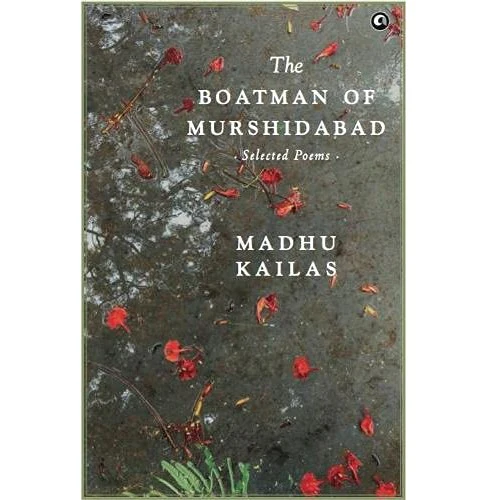
The Boatman Of Murshidabad
The Boatman Of Murshidabad
The Boatman Of Murshidabad invites you into a pivotal moment in India's economic history, revisiting the Bombay Plan—a groundbreaking blueprint for national development drafted in the mid-1940s by India’s leading business figures and technocrats. This thoughtful non-fiction work speaks to students, researchers, and curious readers of economic history who want to understand how business and governance shaped independence-era planning. The tone is insightful, educational, and timely.
Written as a carefully curated collection, The Boatman Of Murshidabad gathers perspectives from business luminaries like J.R.D. Tata and G.D. Birla alongside scholars Meghnad Desai, Gita Piramal, and R. Gopalakrishnan. They assess how the Bombay Plan envisioned a partnership between state intervention and the capitalist class, and how those ideas shaped policy in the crucial early years after independence. The book places the plan in its historical moment, offering context, debates, and a nuanced assessment of its enduring influence on India's development trajectory.
The prose is accessible and engaging, with clear explanations of complex concepts, concise biographical and institutional context, and a thoughtful synthesis of history and policy. Readers will move through the proposals, the conversations they sparked, and the cross-disciplinary dialogue between industry, academia, and government, making this a readable and illuminating journey through economic planning.
- Key content elements: overview of the Bombay Plan, its aims, and the historical context; profiles of J.R.D. Tata and G.D. Birla; analysis of state intervention and capitalist interests; impact on post-independence policy.
- Interactive or standout features: curated essays by notable figures; contextual notes; cross-disciplinary perspectives from industry and academia.
- Learning outcomes or experiences: understanding foundations of India's economy; critical thinking about development planning; appreciation for the interplay between business and policy.
- Writing or illustration style: clear, scholarly yet readable prose; cohesive narrative across essays; thoughtful synthesis of history and theory.
After finishing The Boatman Of Murshidabad, readers gain a nuanced view of India's economic landscape and the lasting influence of early planning on modern policy. It invites reflection on how ideas from industry and government continue to shape development, leaving readers with a sense of context, relevance, and confidence in interpreting economic history.
Original: $3.64
-70%$3.64
$1.09Product Information
Product Information
Shipping & Returns
Shipping & Returns
Description
The Boatman Of Murshidabad invites you into a pivotal moment in India's economic history, revisiting the Bombay Plan—a groundbreaking blueprint for national development drafted in the mid-1940s by India’s leading business figures and technocrats. This thoughtful non-fiction work speaks to students, researchers, and curious readers of economic history who want to understand how business and governance shaped independence-era planning. The tone is insightful, educational, and timely.
Written as a carefully curated collection, The Boatman Of Murshidabad gathers perspectives from business luminaries like J.R.D. Tata and G.D. Birla alongside scholars Meghnad Desai, Gita Piramal, and R. Gopalakrishnan. They assess how the Bombay Plan envisioned a partnership between state intervention and the capitalist class, and how those ideas shaped policy in the crucial early years after independence. The book places the plan in its historical moment, offering context, debates, and a nuanced assessment of its enduring influence on India's development trajectory.
The prose is accessible and engaging, with clear explanations of complex concepts, concise biographical and institutional context, and a thoughtful synthesis of history and policy. Readers will move through the proposals, the conversations they sparked, and the cross-disciplinary dialogue between industry, academia, and government, making this a readable and illuminating journey through economic planning.
- Key content elements: overview of the Bombay Plan, its aims, and the historical context; profiles of J.R.D. Tata and G.D. Birla; analysis of state intervention and capitalist interests; impact on post-independence policy.
- Interactive or standout features: curated essays by notable figures; contextual notes; cross-disciplinary perspectives from industry and academia.
- Learning outcomes or experiences: understanding foundations of India's economy; critical thinking about development planning; appreciation for the interplay between business and policy.
- Writing or illustration style: clear, scholarly yet readable prose; cohesive narrative across essays; thoughtful synthesis of history and theory.
After finishing The Boatman Of Murshidabad, readers gain a nuanced view of India's economic landscape and the lasting influence of early planning on modern policy. It invites reflection on how ideas from industry and government continue to shape development, leaving readers with a sense of context, relevance, and confidence in interpreting economic history.