The Cherry Orchard
The Cherry Orchard is Anton Chekhov's timeless play about memory, change, and the cost of letting go. Set in early 20th-century Russia, this ensemble drama follows Madame Ranevsky and a circle of characters as they navigate the sale of their beloved estate and the cherished cherry orchard—the symbol of a vanished world. Aimed at lovers of classic theater, drama students, and curious readers seeking intimate, human storytelling, The Cherry Orchard blends elegy with quiet wit and offers a moving reflection on how individuals—and societies—grapple with a future that won’t wait.
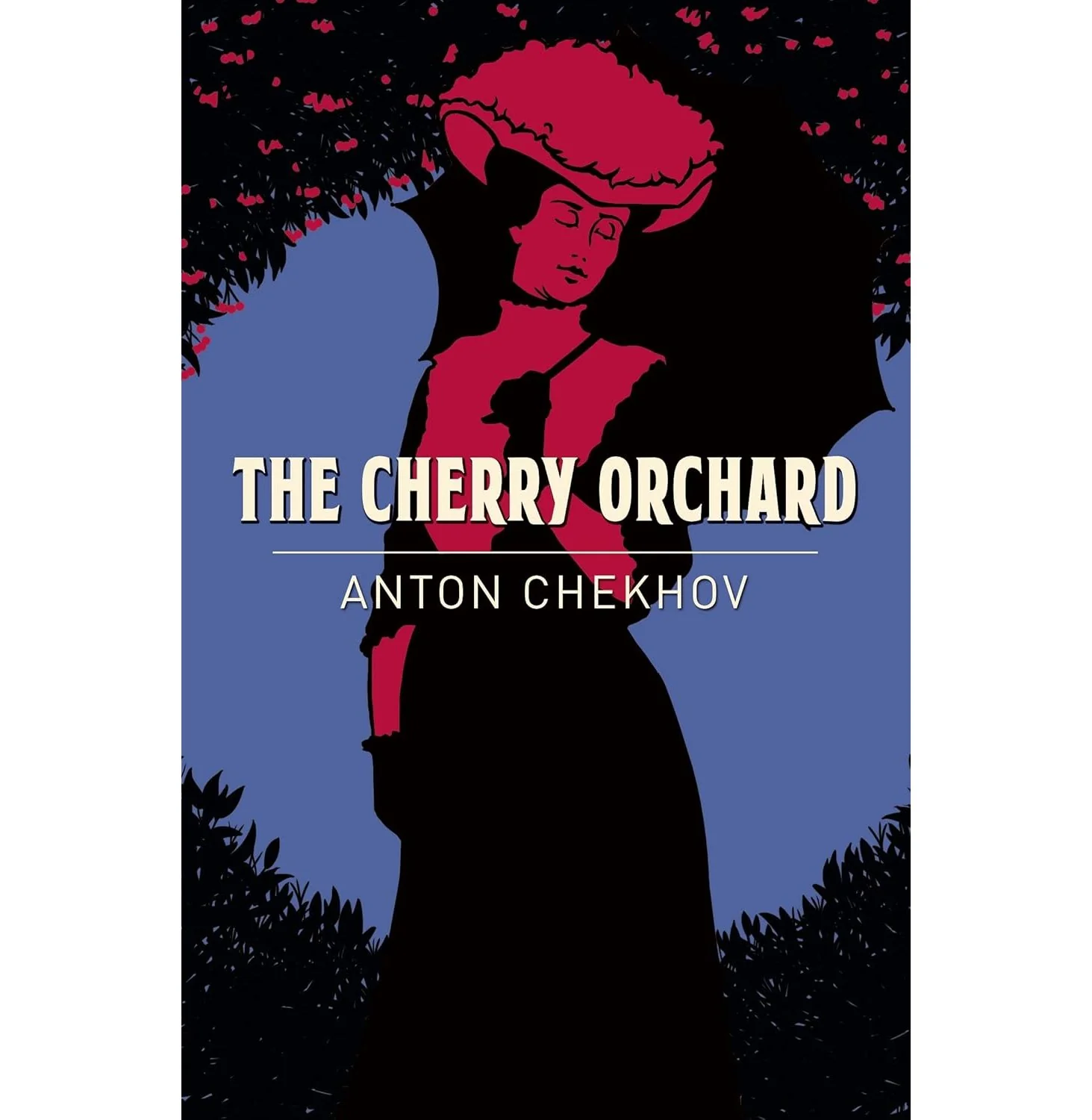
Chekhov's craft shines in the way the play unfolds through intimate conversations, shifting moods, and delicate ironies. The Arcturus Classics edition presents the work in a supple paperback, with a contemporary graphic cover that invites a modern reader to pick up a centuries-old story. The experience centers on vivid characters—the impulsive yet compassionate Madame Ranevsky, the pragmatic Lopakhin, the loyal but conflicted family circle—and on a setting where a beloved orchard becomes both memory and warning. Whether you are revisiting this classic or discovering it for the first time, The Cherry Orchard offers pacing that balances humor with ache, and scenes that linger in the mind without relying on dramatic shocks.
Written as an intimate, dialogue-driven drama, The Cherry Orchard rewards patient readers with layers of meaning: the intersecting desires of old wealth and new opportunity, the pull of memory, and the resilience people show when faced with uncertainty. The language is carefully measured, the humor is sly, and the human stakes feel palpably true as the estate's fate becomes a mirror of public change.
- Key content elements: ensemble cast, themes of memory and change, class dynamics, and the cherry orchard as a powerful symbol
- Interactive or standout features: contemporary graphic cover designs and an elegant paperback edition in the Arcturus Classics line
- Learning outcomes or experiences: insights into social shifts, empathy for diverse perspectives, appreciation for dramatic structure
- Writing or illustration style: precise, dialogue-driven storytelling with keen character observation
After finishing The Cherry Orchard, readers gain a nuanced understanding of change and memory, and feel a sense of reflection about how individuals face loss with resilience and grace. The reading experience lingers, inviting further thought and conversation long after the final scene.
Product Information
Product Information
Shipping & Returns
Shipping & Returns
The Cherry Orchard
The Cherry Orchard
The Cherry Orchard is Anton Chekhov's timeless play about memory, change, and the cost of letting go. Set in early 20th-century Russia, this ensemble drama follows Madame Ranevsky and a circle of characters as they navigate the sale of their beloved estate and the cherished cherry orchard—the symbol of a vanished world. Aimed at lovers of classic theater, drama students, and curious readers seeking intimate, human storytelling, The Cherry Orchard blends elegy with quiet wit and offers a moving reflection on how individuals—and societies—grapple with a future that won’t wait.
Chekhov's craft shines in the way the play unfolds through intimate conversations, shifting moods, and delicate ironies. The Arcturus Classics edition presents the work in a supple paperback, with a contemporary graphic cover that invites a modern reader to pick up a centuries-old story. The experience centers on vivid characters—the impulsive yet compassionate Madame Ranevsky, the pragmatic Lopakhin, the loyal but conflicted family circle—and on a setting where a beloved orchard becomes both memory and warning. Whether you are revisiting this classic or discovering it for the first time, The Cherry Orchard offers pacing that balances humor with ache, and scenes that linger in the mind without relying on dramatic shocks.
Written as an intimate, dialogue-driven drama, The Cherry Orchard rewards patient readers with layers of meaning: the intersecting desires of old wealth and new opportunity, the pull of memory, and the resilience people show when faced with uncertainty. The language is carefully measured, the humor is sly, and the human stakes feel palpably true as the estate's fate becomes a mirror of public change.
- Key content elements: ensemble cast, themes of memory and change, class dynamics, and the cherry orchard as a powerful symbol
- Interactive or standout features: contemporary graphic cover designs and an elegant paperback edition in the Arcturus Classics line
- Learning outcomes or experiences: insights into social shifts, empathy for diverse perspectives, appreciation for dramatic structure
- Writing or illustration style: precise, dialogue-driven storytelling with keen character observation
After finishing The Cherry Orchard, readers gain a nuanced understanding of change and memory, and feel a sense of reflection about how individuals face loss with resilience and grace. The reading experience lingers, inviting further thought and conversation long after the final scene.
Product Information
Product Information
Shipping & Returns
Shipping & Returns
Description
The Cherry Orchard is Anton Chekhov's timeless play about memory, change, and the cost of letting go. Set in early 20th-century Russia, this ensemble drama follows Madame Ranevsky and a circle of characters as they navigate the sale of their beloved estate and the cherished cherry orchard—the symbol of a vanished world. Aimed at lovers of classic theater, drama students, and curious readers seeking intimate, human storytelling, The Cherry Orchard blends elegy with quiet wit and offers a moving reflection on how individuals—and societies—grapple with a future that won’t wait.
Chekhov's craft shines in the way the play unfolds through intimate conversations, shifting moods, and delicate ironies. The Arcturus Classics edition presents the work in a supple paperback, with a contemporary graphic cover that invites a modern reader to pick up a centuries-old story. The experience centers on vivid characters—the impulsive yet compassionate Madame Ranevsky, the pragmatic Lopakhin, the loyal but conflicted family circle—and on a setting where a beloved orchard becomes both memory and warning. Whether you are revisiting this classic or discovering it for the first time, The Cherry Orchard offers pacing that balances humor with ache, and scenes that linger in the mind without relying on dramatic shocks.
Written as an intimate, dialogue-driven drama, The Cherry Orchard rewards patient readers with layers of meaning: the intersecting desires of old wealth and new opportunity, the pull of memory, and the resilience people show when faced with uncertainty. The language is carefully measured, the humor is sly, and the human stakes feel palpably true as the estate's fate becomes a mirror of public change.
- Key content elements: ensemble cast, themes of memory and change, class dynamics, and the cherry orchard as a powerful symbol
- Interactive or standout features: contemporary graphic cover designs and an elegant paperback edition in the Arcturus Classics line
- Learning outcomes or experiences: insights into social shifts, empathy for diverse perspectives, appreciation for dramatic structure
- Writing or illustration style: precise, dialogue-driven storytelling with keen character observation
After finishing The Cherry Orchard, readers gain a nuanced understanding of change and memory, and feel a sense of reflection about how individuals face loss with resilience and grace. The reading experience lingers, inviting further thought and conversation long after the final scene.