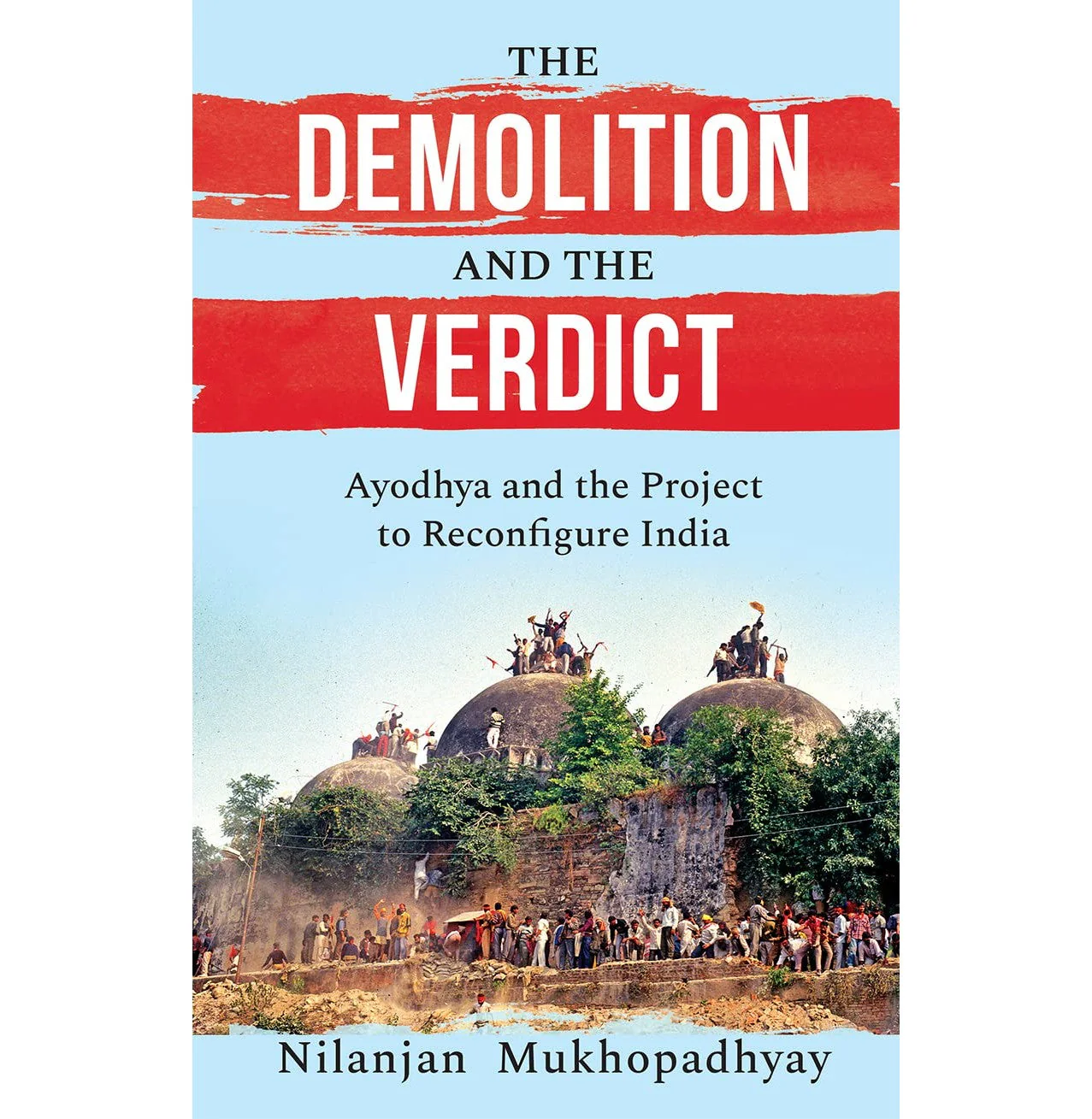
The Demolition And The Verdict
The Demolition And The Verdict offers a clear, accessible look at a pivotal moment in Indian politics: the Ram temple controversy and its legal turning points. This non-fiction study traces the Ram Janmabhoomi saga—from the 1949 events through the 2019 Supreme Court judgement—for students, history enthusiasts, and readers who want to understand how law and politics shape a nation. The tone is thoughtful, educational, and engaging.
The Demolition And The Verdict is written as a carefully researched, narrative-driven study that guides readers through a sequence of defining moments: the Ram Janmabhoomi agitation, the decisions and openings of political leaders, the 1992 mosque demolition, and the enduring legal question surrounding ownership of the 2.77 acres. The book connects these events to a broader shift in Indian politics, showing how the BJP rose from a marginal party to a dominant force and how Hindu nationalism reshaped national discourse.
Written in a clear, accessible voice, the book explains the legal and historical concepts behind the controversy without getting lost in jargon. It presents a balanced, evidence-based analysis that makes complex court rulings, political strategy, and public sentiment understandable, keeping the focus on real-world implications for India's future.
- Key content elements: Detailed timeline of the Ram Janmabhoomi agitation, from 1949 to 2019, including the 1986 unlocking decision, 1990 Rath Yatra, and the 1992 demolition, plus the Supreme Court's unanimous verdict and its implications.
- Interactive or standout features: Timeline-driven narrative, clear explanations of legal concepts, and thoughtful analysis that connects historical events to political change.
- Learning outcomes or experiences: Builds a nuanced understanding of how legal decisions, religious nationalism, and party politics intersect in modern India, equipping readers to discuss complex topics with context and empathy.
- Writing or illustration style: Measured, accessible, and evidence-based prose that reads like a concise yet comprehensive history with insightful commentary.
Reading The Demolition And The Verdict leaves you with a clearer sense of how historical moments shape contemporary politics, law, and identity in India. It invites reflection on nationalism, democracy, and the road ahead, offering lasting context for current debates and a more confident, informed perspective on India's future.
Product Information
Product Information
Shipping & Returns
Shipping & Returns
The Demolition And The Verdict
The Demolition And The Verdict
The Demolition And The Verdict offers a clear, accessible look at a pivotal moment in Indian politics: the Ram temple controversy and its legal turning points. This non-fiction study traces the Ram Janmabhoomi saga—from the 1949 events through the 2019 Supreme Court judgement—for students, history enthusiasts, and readers who want to understand how law and politics shape a nation. The tone is thoughtful, educational, and engaging.
The Demolition And The Verdict is written as a carefully researched, narrative-driven study that guides readers through a sequence of defining moments: the Ram Janmabhoomi agitation, the decisions and openings of political leaders, the 1992 mosque demolition, and the enduring legal question surrounding ownership of the 2.77 acres. The book connects these events to a broader shift in Indian politics, showing how the BJP rose from a marginal party to a dominant force and how Hindu nationalism reshaped national discourse.
Written in a clear, accessible voice, the book explains the legal and historical concepts behind the controversy without getting lost in jargon. It presents a balanced, evidence-based analysis that makes complex court rulings, political strategy, and public sentiment understandable, keeping the focus on real-world implications for India's future.
- Key content elements: Detailed timeline of the Ram Janmabhoomi agitation, from 1949 to 2019, including the 1986 unlocking decision, 1990 Rath Yatra, and the 1992 demolition, plus the Supreme Court's unanimous verdict and its implications.
- Interactive or standout features: Timeline-driven narrative, clear explanations of legal concepts, and thoughtful analysis that connects historical events to political change.
- Learning outcomes or experiences: Builds a nuanced understanding of how legal decisions, religious nationalism, and party politics intersect in modern India, equipping readers to discuss complex topics with context and empathy.
- Writing or illustration style: Measured, accessible, and evidence-based prose that reads like a concise yet comprehensive history with insightful commentary.
Reading The Demolition And The Verdict leaves you with a clearer sense of how historical moments shape contemporary politics, law, and identity in India. It invites reflection on nationalism, democracy, and the road ahead, offering lasting context for current debates and a more confident, informed perspective on India's future.
Original: $6.38
-70%$6.38
$1.91Product Information
Product Information
Shipping & Returns
Shipping & Returns
Description
The Demolition And The Verdict offers a clear, accessible look at a pivotal moment in Indian politics: the Ram temple controversy and its legal turning points. This non-fiction study traces the Ram Janmabhoomi saga—from the 1949 events through the 2019 Supreme Court judgement—for students, history enthusiasts, and readers who want to understand how law and politics shape a nation. The tone is thoughtful, educational, and engaging.
The Demolition And The Verdict is written as a carefully researched, narrative-driven study that guides readers through a sequence of defining moments: the Ram Janmabhoomi agitation, the decisions and openings of political leaders, the 1992 mosque demolition, and the enduring legal question surrounding ownership of the 2.77 acres. The book connects these events to a broader shift in Indian politics, showing how the BJP rose from a marginal party to a dominant force and how Hindu nationalism reshaped national discourse.
Written in a clear, accessible voice, the book explains the legal and historical concepts behind the controversy without getting lost in jargon. It presents a balanced, evidence-based analysis that makes complex court rulings, political strategy, and public sentiment understandable, keeping the focus on real-world implications for India's future.
- Key content elements: Detailed timeline of the Ram Janmabhoomi agitation, from 1949 to 2019, including the 1986 unlocking decision, 1990 Rath Yatra, and the 1992 demolition, plus the Supreme Court's unanimous verdict and its implications.
- Interactive or standout features: Timeline-driven narrative, clear explanations of legal concepts, and thoughtful analysis that connects historical events to political change.
- Learning outcomes or experiences: Builds a nuanced understanding of how legal decisions, religious nationalism, and party politics intersect in modern India, equipping readers to discuss complex topics with context and empathy.
- Writing or illustration style: Measured, accessible, and evidence-based prose that reads like a concise yet comprehensive history with insightful commentary.
Reading The Demolition And The Verdict leaves you with a clearer sense of how historical moments shape contemporary politics, law, and identity in India. It invites reflection on nationalism, democracy, and the road ahead, offering lasting context for current debates and a more confident, informed perspective on India's future.