The Dig Keeladi And The Politics Of India’S Past
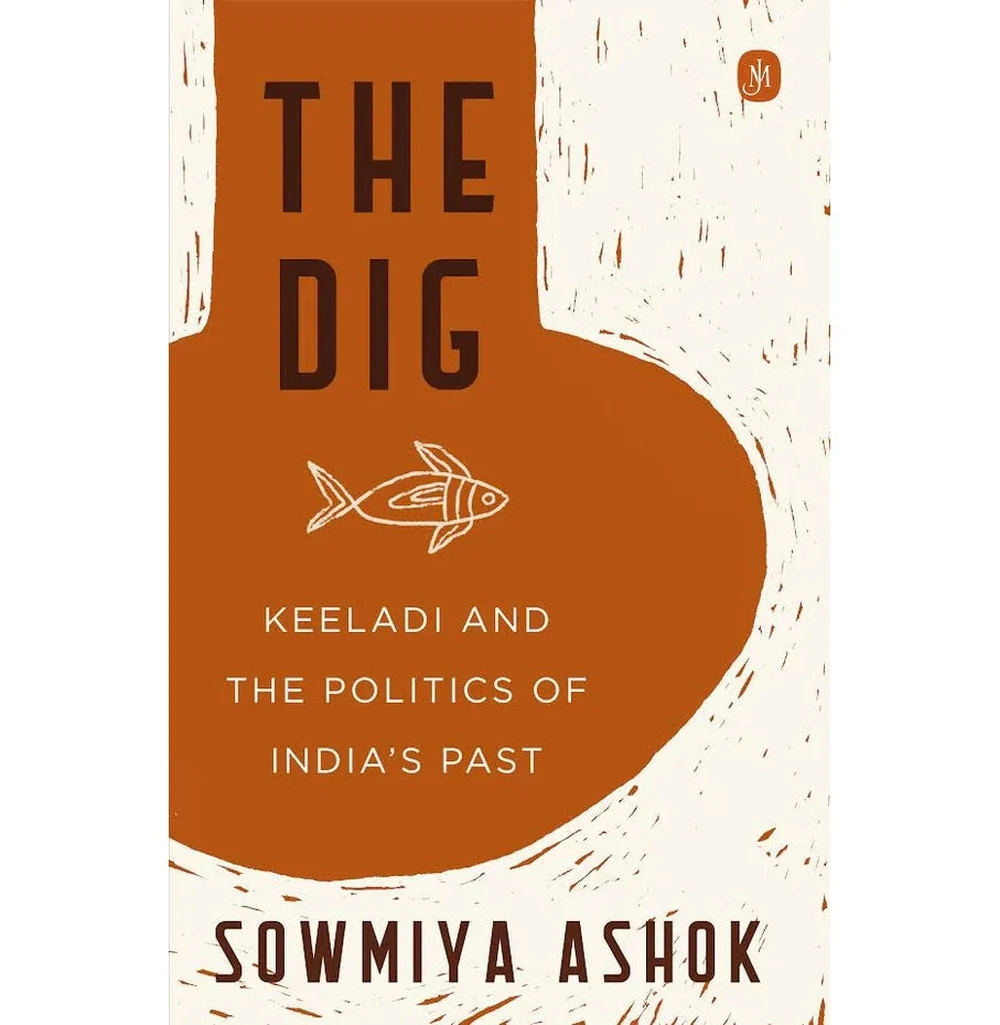
The Dig: Keeladi and the Politics of India's Past follows journalist Sowmiya Ashok as she unpacks the discovery of Keeladi and the fierce debates it ignited about South India's ancient urban life. This non-fiction work sits at the crossroads of archaeology, history, and politics, and is ideal for curious readers of history, current affairs, and travel writing who want a clear, human picture of how scientific claims become public narratives. The tone is thoughtful, engaging, and occasionally wry, inviting readers to see how evidence, politics, and imagination intersect in the story of a nation’s past.
Written as a vivid narrative journey, The Dig moves from the earliest Iron Age sites in Tamil Nadu to the Harappan heartland at Rakhigarhi and the legendary port of Muziris in Kerala. It stitches together on-site scenes, conversations with archaeologists, and moments of backstage controversy, offering a pace that feels like a field report and a travelogue at once. The book invites readers to weigh sources, assess claims, and revel in the human side of excavation—tasting ancient pottery at a brisk excavation site, sweating under the sun, and sharing in long day’s heat.
In its pages, you’ll find clear explanations of key concepts—how archaeology builds a picture of urban life, what “history” means in political debates, and how science and public discourse shape what we accept about the past. The writing blends sharp insight with humor, making complex ideas accessible without jargon, and the result is a reading experience that is informative, engaging, and deeply human.
- Investigative narrative that traces Keeladi’s discovery and the politics it sparked
- Cross-regional journey across Tamil Nadu, Haryana, and Kerala linking Iron Age to ancient ports
- On-site reporting, conversations with archaeologists, and vivid fieldwork moments
- Accessible explanations of archaeology, urban civilization, and historiography
- Witty, thoughtful storytelling that makes science and history feel immediate
After finishing The Dig, readers gain a nuanced understanding of how evidence is built and debated, and how public discourse shapes our sense of India's past. The book leaves you thinking critically yet hopeful about the ongoing quest to understand history—and how it matters in the present.


Product Information
Product Information
Shipping & Returns
Shipping & Returns
The Dig Keeladi And The Politics Of India’S Past
The Dig Keeladi And The Politics Of India’S Past
The Dig: Keeladi and the Politics of India's Past follows journalist Sowmiya Ashok as she unpacks the discovery of Keeladi and the fierce debates it ignited about South India's ancient urban life. This non-fiction work sits at the crossroads of archaeology, history, and politics, and is ideal for curious readers of history, current affairs, and travel writing who want a clear, human picture of how scientific claims become public narratives. The tone is thoughtful, engaging, and occasionally wry, inviting readers to see how evidence, politics, and imagination intersect in the story of a nation’s past.
Written as a vivid narrative journey, The Dig moves from the earliest Iron Age sites in Tamil Nadu to the Harappan heartland at Rakhigarhi and the legendary port of Muziris in Kerala. It stitches together on-site scenes, conversations with archaeologists, and moments of backstage controversy, offering a pace that feels like a field report and a travelogue at once. The book invites readers to weigh sources, assess claims, and revel in the human side of excavation—tasting ancient pottery at a brisk excavation site, sweating under the sun, and sharing in long day’s heat.
In its pages, you’ll find clear explanations of key concepts—how archaeology builds a picture of urban life, what “history” means in political debates, and how science and public discourse shape what we accept about the past. The writing blends sharp insight with humor, making complex ideas accessible without jargon, and the result is a reading experience that is informative, engaging, and deeply human.
- Investigative narrative that traces Keeladi’s discovery and the politics it sparked
- Cross-regional journey across Tamil Nadu, Haryana, and Kerala linking Iron Age to ancient ports
- On-site reporting, conversations with archaeologists, and vivid fieldwork moments
- Accessible explanations of archaeology, urban civilization, and historiography
- Witty, thoughtful storytelling that makes science and history feel immediate
After finishing The Dig, readers gain a nuanced understanding of how evidence is built and debated, and how public discourse shapes our sense of India's past. The book leaves you thinking critically yet hopeful about the ongoing quest to understand history—and how it matters in the present.
Original: $7.30
-70%$7.30
$2.19Product Information
Product Information
Shipping & Returns
Shipping & Returns
Description
The Dig: Keeladi and the Politics of India's Past follows journalist Sowmiya Ashok as she unpacks the discovery of Keeladi and the fierce debates it ignited about South India's ancient urban life. This non-fiction work sits at the crossroads of archaeology, history, and politics, and is ideal for curious readers of history, current affairs, and travel writing who want a clear, human picture of how scientific claims become public narratives. The tone is thoughtful, engaging, and occasionally wry, inviting readers to see how evidence, politics, and imagination intersect in the story of a nation’s past.
Written as a vivid narrative journey, The Dig moves from the earliest Iron Age sites in Tamil Nadu to the Harappan heartland at Rakhigarhi and the legendary port of Muziris in Kerala. It stitches together on-site scenes, conversations with archaeologists, and moments of backstage controversy, offering a pace that feels like a field report and a travelogue at once. The book invites readers to weigh sources, assess claims, and revel in the human side of excavation—tasting ancient pottery at a brisk excavation site, sweating under the sun, and sharing in long day’s heat.
In its pages, you’ll find clear explanations of key concepts—how archaeology builds a picture of urban life, what “history” means in political debates, and how science and public discourse shape what we accept about the past. The writing blends sharp insight with humor, making complex ideas accessible without jargon, and the result is a reading experience that is informative, engaging, and deeply human.
- Investigative narrative that traces Keeladi’s discovery and the politics it sparked
- Cross-regional journey across Tamil Nadu, Haryana, and Kerala linking Iron Age to ancient ports
- On-site reporting, conversations with archaeologists, and vivid fieldwork moments
- Accessible explanations of archaeology, urban civilization, and historiography
- Witty, thoughtful storytelling that makes science and history feel immediate
After finishing The Dig, readers gain a nuanced understanding of how evidence is built and debated, and how public discourse shapes our sense of India's past. The book leaves you thinking critically yet hopeful about the ongoing quest to understand history—and how it matters in the present.