The Hundred-Year Marathon
The Hundred-Year Marathon is a gripping, evidence-driven examination of China’s plan to supplant the United States as the world’s dominant power by 2049—the centennial of the founding of the People’s Republic. Aimed at readers of international affairs, students of geopolitics, policy professionals, and curious minds, this non-fiction book blends historical depth with contemporary analysis in a sober, purposeful tone that invites readers to understand the stakes of a rising China.
Pillsbury draws on Chinese documents, speeches, and books—many never translated into English—to reveal the roots of this strategy in traditional statecraft and to show how it is being practiced today. He argues that American policymakers have, for decades, been slow to recognize these moves—and he includes himself in that critique. The Hundred-Year Marathon presents a clear, document-based narrative that connects historical ideas to current actions, explaining why China’s long-range planning matters to every reader who cares about national security, diplomacy, and global power dynamics.
The book is organized to be accessible and thought-provoking: a documentary-style journey through sources, context, and plausible futures, with chapters that lay out concepts like long-range strategy, patience, and multi-layered diplomacy. You’ll see how China’s marathon mindset translates to today’s policy choices, and you’ll understand why this isn’t a passing trend but a sustained strategic effort. Now featuring a new afterword, this edition adds fresh analysis on how the United States can design a more competitive, reality-grounded strategy rather than clinging to wishful thinking.
- Key content elements: China’s long-term strategy to overtake the U.S.; historical roots in statecraft; primary sources and speeches, including untranslated works; the 2049 timeline.
- Experience and structure: documentary-style, source-driven narrative with historical context and current implications.
- Standout features: new afterword with updated insights; clear, policy-focused framing for readers seeking practical understanding of competition with China.
- Learning outcomes: deeper understanding of national security challenges and informed perspectives on U.S.–China policy decisions.
- Writing style: precise, readable, and engaging non-fiction that reads like a evidence-based briefing.
After finishing The Hundred-Year Marathon, readers gain a nuanced view of one of the twenty-first century’s defining challenges and a more informed basis for assessing U.S. policy toward China. It leaves you with a sober, constructive sense of urgency—encouraging thoughtful reflection, careful analysis, and policy ideas rooted in reality rather than wishful thinking.
Product Information
Product Information
Shipping & Returns
Shipping & Returns
The Hundred-Year Marathon
The Hundred-Year Marathon
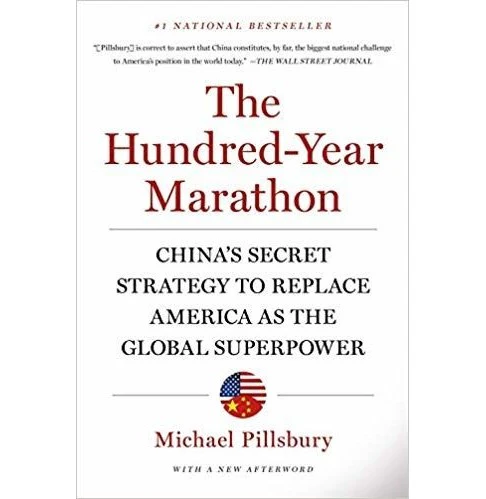
The Hundred-Year Marathon is a gripping, evidence-driven examination of China’s plan to supplant the United States as the world’s dominant power by 2049—the centennial of the founding of the People’s Republic. Aimed at readers of international affairs, students of geopolitics, policy professionals, and curious minds, this non-fiction book blends historical depth with contemporary analysis in a sober, purposeful tone that invites readers to understand the stakes of a rising China.
Pillsbury draws on Chinese documents, speeches, and books—many never translated into English—to reveal the roots of this strategy in traditional statecraft and to show how it is being practiced today. He argues that American policymakers have, for decades, been slow to recognize these moves—and he includes himself in that critique. The Hundred-Year Marathon presents a clear, document-based narrative that connects historical ideas to current actions, explaining why China’s long-range planning matters to every reader who cares about national security, diplomacy, and global power dynamics.
The book is organized to be accessible and thought-provoking: a documentary-style journey through sources, context, and plausible futures, with chapters that lay out concepts like long-range strategy, patience, and multi-layered diplomacy. You’ll see how China’s marathon mindset translates to today’s policy choices, and you’ll understand why this isn’t a passing trend but a sustained strategic effort. Now featuring a new afterword, this edition adds fresh analysis on how the United States can design a more competitive, reality-grounded strategy rather than clinging to wishful thinking.
- Key content elements: China’s long-term strategy to overtake the U.S.; historical roots in statecraft; primary sources and speeches, including untranslated works; the 2049 timeline.
- Experience and structure: documentary-style, source-driven narrative with historical context and current implications.
- Standout features: new afterword with updated insights; clear, policy-focused framing for readers seeking practical understanding of competition with China.
- Learning outcomes: deeper understanding of national security challenges and informed perspectives on U.S.–China policy decisions.
- Writing style: precise, readable, and engaging non-fiction that reads like a evidence-based briefing.
After finishing The Hundred-Year Marathon, readers gain a nuanced view of one of the twenty-first century’s defining challenges and a more informed basis for assessing U.S. policy toward China. It leaves you with a sober, constructive sense of urgency—encouraging thoughtful reflection, careful analysis, and policy ideas rooted in reality rather than wishful thinking.
Product Information
Product Information
Shipping & Returns
Shipping & Returns
Description
The Hundred-Year Marathon is a gripping, evidence-driven examination of China’s plan to supplant the United States as the world’s dominant power by 2049—the centennial of the founding of the People’s Republic. Aimed at readers of international affairs, students of geopolitics, policy professionals, and curious minds, this non-fiction book blends historical depth with contemporary analysis in a sober, purposeful tone that invites readers to understand the stakes of a rising China.
Pillsbury draws on Chinese documents, speeches, and books—many never translated into English—to reveal the roots of this strategy in traditional statecraft and to show how it is being practiced today. He argues that American policymakers have, for decades, been slow to recognize these moves—and he includes himself in that critique. The Hundred-Year Marathon presents a clear, document-based narrative that connects historical ideas to current actions, explaining why China’s long-range planning matters to every reader who cares about national security, diplomacy, and global power dynamics.
The book is organized to be accessible and thought-provoking: a documentary-style journey through sources, context, and plausible futures, with chapters that lay out concepts like long-range strategy, patience, and multi-layered diplomacy. You’ll see how China’s marathon mindset translates to today’s policy choices, and you’ll understand why this isn’t a passing trend but a sustained strategic effort. Now featuring a new afterword, this edition adds fresh analysis on how the United States can design a more competitive, reality-grounded strategy rather than clinging to wishful thinking.
- Key content elements: China’s long-term strategy to overtake the U.S.; historical roots in statecraft; primary sources and speeches, including untranslated works; the 2049 timeline.
- Experience and structure: documentary-style, source-driven narrative with historical context and current implications.
- Standout features: new afterword with updated insights; clear, policy-focused framing for readers seeking practical understanding of competition with China.
- Learning outcomes: deeper understanding of national security challenges and informed perspectives on U.S.–China policy decisions.
- Writing style: precise, readable, and engaging non-fiction that reads like a evidence-based briefing.
After finishing The Hundred-Year Marathon, readers gain a nuanced view of one of the twenty-first century’s defining challenges and a more informed basis for assessing U.S. policy toward China. It leaves you with a sober, constructive sense of urgency—encouraging thoughtful reflection, careful analysis, and policy ideas rooted in reality rather than wishful thinking.