✨ New Arrivals Just Dropped!Explore
The Land And The Shadows
This non-fiction memoir and ethnography invites readers into a world where cinema was a shared experience and a window onto daily life. The central theme traces how provincial theatres linked poverty, caste, desire, and aspiration in a society in transition, offering both escape and education to generations of viewers. It speaks to adult readers with an interest in film history, cultural studies, and South Indian culture, with a tone that is intimate, reflective, and observant. Presented as a story-led, reflective narrative interwoven with ethnographic insight, the book moves from intimate memories of a boyhood in a small-town cinema to broader portraits of a community changing under modern forces. The translated text preserves a singular voice and cadence, turning memory into history and history into storytelling. Readers will feel the glow of the screen alongside the texture of posters, projectors, and songs carried on village winds, while noticing how cinema shaped speech, gesture, and imagination across class and community.
- Hybrid memoir and ethnography that connect personal memory to social history
- Vivid scenes of theatres, posters, projectors, and song as cultural touchstones
- Exploration of caste, poverty, desire, and collective imagination in public spaces
- Transparently translated with fidelity and grace, preserving voice and nuance
- Accessible, reflective prose with a cinematic rhythm that invites closer reading
Product Information
Product Information
Shipping & Returns
Shipping & Returns
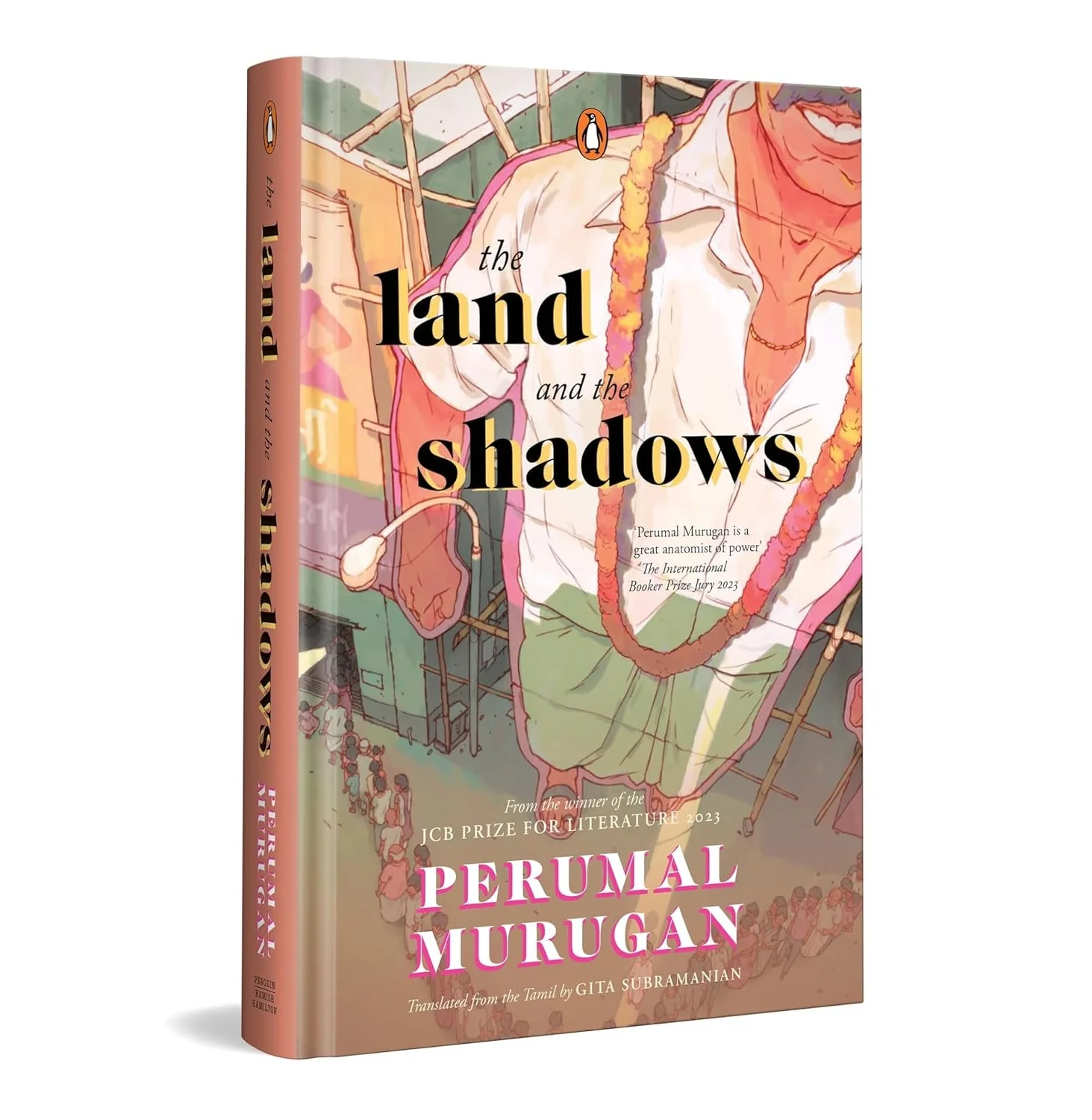
The Land And The Shadows
The Land And The Shadows
This non-fiction memoir and ethnography invites readers into a world where cinema was a shared experience and a window onto daily life. The central theme traces how provincial theatres linked poverty, caste, desire, and aspiration in a society in transition, offering both escape and education to generations of viewers. It speaks to adult readers with an interest in film history, cultural studies, and South Indian culture, with a tone that is intimate, reflective, and observant. Presented as a story-led, reflective narrative interwoven with ethnographic insight, the book moves from intimate memories of a boyhood in a small-town cinema to broader portraits of a community changing under modern forces. The translated text preserves a singular voice and cadence, turning memory into history and history into storytelling. Readers will feel the glow of the screen alongside the texture of posters, projectors, and songs carried on village winds, while noticing how cinema shaped speech, gesture, and imagination across class and community.
- Hybrid memoir and ethnography that connect personal memory to social history
- Vivid scenes of theatres, posters, projectors, and song as cultural touchstones
- Exploration of caste, poverty, desire, and collective imagination in public spaces
- Transparently translated with fidelity and grace, preserving voice and nuance
- Accessible, reflective prose with a cinematic rhythm that invites closer reading
$2.19
Original: $7.30
-70%The Land And The Shadows—
$7.30
$2.19Product Information
Product Information
Shipping & Returns
Shipping & Returns
Description
This non-fiction memoir and ethnography invites readers into a world where cinema was a shared experience and a window onto daily life. The central theme traces how provincial theatres linked poverty, caste, desire, and aspiration in a society in transition, offering both escape and education to generations of viewers. It speaks to adult readers with an interest in film history, cultural studies, and South Indian culture, with a tone that is intimate, reflective, and observant. Presented as a story-led, reflective narrative interwoven with ethnographic insight, the book moves from intimate memories of a boyhood in a small-town cinema to broader portraits of a community changing under modern forces. The translated text preserves a singular voice and cadence, turning memory into history and history into storytelling. Readers will feel the glow of the screen alongside the texture of posters, projectors, and songs carried on village winds, while noticing how cinema shaped speech, gesture, and imagination across class and community.
- Hybrid memoir and ethnography that connect personal memory to social history
- Vivid scenes of theatres, posters, projectors, and song as cultural touchstones
- Exploration of caste, poverty, desire, and collective imagination in public spaces
- Transparently translated with fidelity and grace, preserving voice and nuance
- Accessible, reflective prose with a cinematic rhythm that invites closer reading